| | EIHA Committee Meeting, Helsingborg (13–17 April 2026)
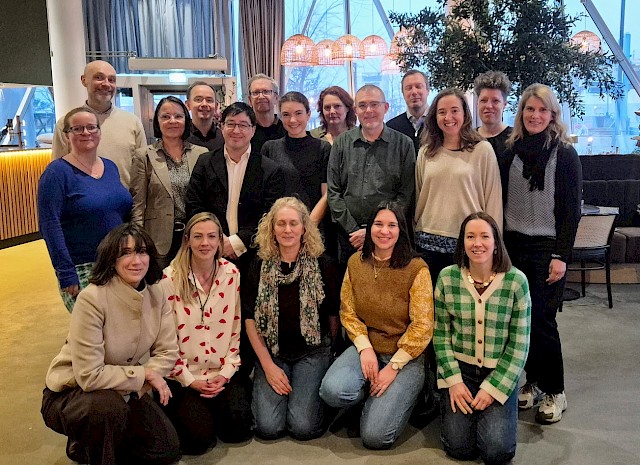
The Environmental Impacts of Human Activities Committee (EIHA) met in Helsingborg, Sweden and online, from 13–17 April 2026, bringing together participants both in person and online. The Committee expressed its deep appreciation to the Swedish hosts for facilitating a productive week of discussions in a collaborative and welcoming setting.
The meeting covered a wide-ranging and demanding agenda, reflecting EIHA’s central role in addressing environmental pressures from a broad array of human activities at sea. Early sessions focused on updates from OSPAR subsidiary bodies and cross-cutting groups, with particular attention given to ongoing governance review of OSPAR’s organisational structures and resource allocation mechanisms and preparations for the incorporation into OSPAR work of the agreed extension of the OSPAR maritime area to include Macaronesian waters.
Intermediate Assessment 2029
A key focus of the meeting was planning for the Intermediate Assessment 2029. The Committee reviewed and approved first assessment products with four feeder reports on offshore renewables, aquaculture, plastics, and marine geoengineering; alongside two common indicator assessments on seafloor litter and plastic ingestion by fulmars. These outputs mark an important first step toward delivering EIHA’s broader assessment portfolio.
North-East Atlantic Environment Strategy 2030
Progress made in delivering the North-East Atlantic Environment Strategy (NEAES) 2030 was reviewed, and several new actions were agreed to continue efforts to tackle marine litter, noise pollution from commercial shipping, as well as initiate the revision of OSPAR’s guidance on offshore renewables developments. Members also reflected on lessons learned from the implementation of the NEAES to inform the development of the next OSPAR Environment Strategy beyond 2030.
Marine Litter
Marine litter remained a prominent theme for EIHA. The Committee advanced several measure and guidance initiatives developed under the OSPAR Regional Action Plan on marine litter, including actions to reduce litter from fishing gear and best environmental practice guidance addressing net cuttings, polystyrene at building and demolition sites, and end-of-life recreational vessels.
Other human activities
Discussions also addressed emerging and ongoing issues such as underwater noise, offshore renewable energy, and the management of discharge water from exhaust gas cleaning systems onboard ships. Updates from expert groups highlighted the broadening scope of their work and the committee was able to provide clear guidance to steer their future work.
Leading our work
Finally, attention was drawn to several vacant or upcoming convenor roles across EIHA subsidiary groups. Delegates were encouraged to support these positions to ensure continuity and effective leadership in key work areas such as underwater noise, offshore renewables and the protection of species and habitats.
----
Overall, the meeting was constructive and forward-looking, setting a strong foundation for EIHA’s continued work in addressing the environmental impacts of human activities in the marine environment. |
| | |
|