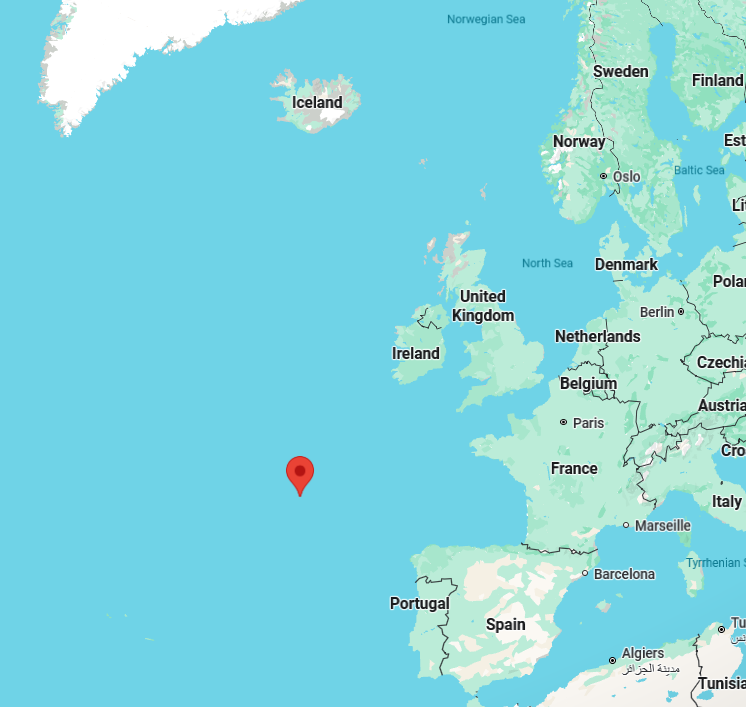
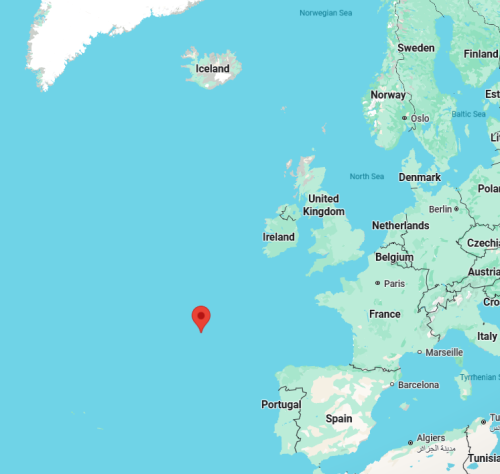
| | The second NODSSUM expedition is underway to continue the investigation of the low-level radioactive waste that was dumped in the North-East Atlantic. Between 1949 and 1982 low-level radioactive waste was dumped in the North-East Atlantic from vessels by a number of European countries. The majority of the dumping took place in the deep waters of the North-East Atlantic from the 1970s up to 1982 at depths of between 3000 m and 5000 m. It is at one of these sites in the Iberian deep that the NODSSUM researchers have been investigating. In total more than 150 000 tonnes of material with a total activity of 42,4 PBq was dumped in the North-East Atlantic. At this time, disposal at sea was considered to be suitable for the safe disposal of radioactive waste from both scientific and economic perspectives. This approach changed in 1983 with the adoption, under the 1972 London Convention (LC), of a voluntary moratorium on the dumping of radioactive waste at sea. In 1992 OSPAR prohibited the dumping of low and intermediate level radioactive substances in the OSPAR maritime area (North-East Atlantic) followed by a global ban in 1993 under the LC.
 The low-level radioactive waste that was dumped originated from nuclear power plants, other nuclear fuel cycle operations, hospitals, and research and industrial facilities and from the decontamination and decommissioning of nuclear facilities and equipment. This material contained beta emitters such as caesium-137, alpha emitters including plutonium isotopes and tritium The low-level radioactive waste that was dumped originated from nuclear power plants, other nuclear fuel cycle operations, hospitals, and research and industrial facilities and from the decontamination and decommissioning of nuclear facilities and equipment. This material contained beta emitters such as caesium-137, alpha emitters including plutonium isotopes and tritium
Guidelines on the type of the containers used to dump low-level radioactive waste ensured that dumped waste reached the seafloor intact and was then retained in the containers to allow for the decay of short-lived radionuclides. The eventual slow release to the marine environment and dispersal of the remaining waste was part of the disposal concept.
Compared to other man-made sources of radionuclides in the North-East Atlantic such as global fallout, the amount dumped was relatively minor.
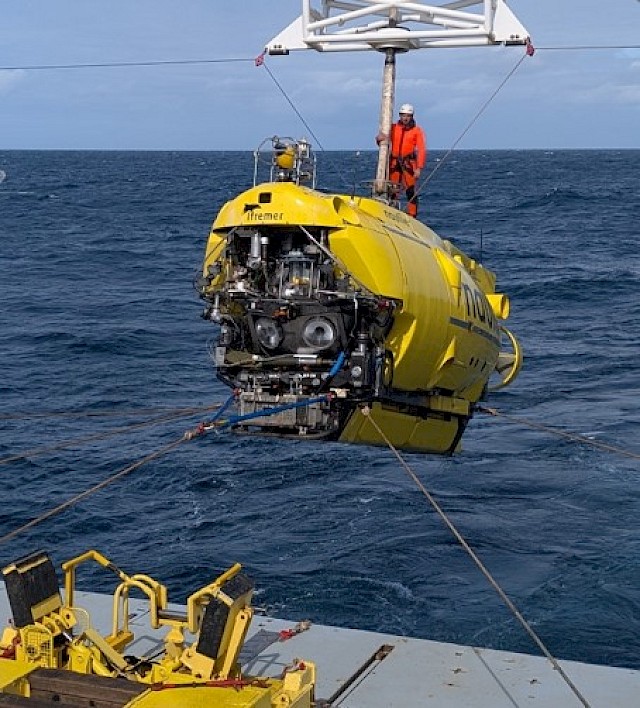
In 2025, the focus of the first NODSSUM research cruise was on mapping the locations of dumped containers on the seafloor. Now in 2026, the NODSSUM researchers are using the manned submersible ‘Nautile’ onboard the research vessel ‘Pourquoi Pas?’ (French Oceanographic Fleet) to collect samples of sediment and biota around some of the dumped containers. This will allow the research team to determine the levels of radionuclides that might have been released from the low-level radioactive waste to the surrounding marine environment. The NODSSUM project is led by the French National Centre for Scientific Research (CNRS) with researchers from other institutes from France, Germany, Norway and Canada.
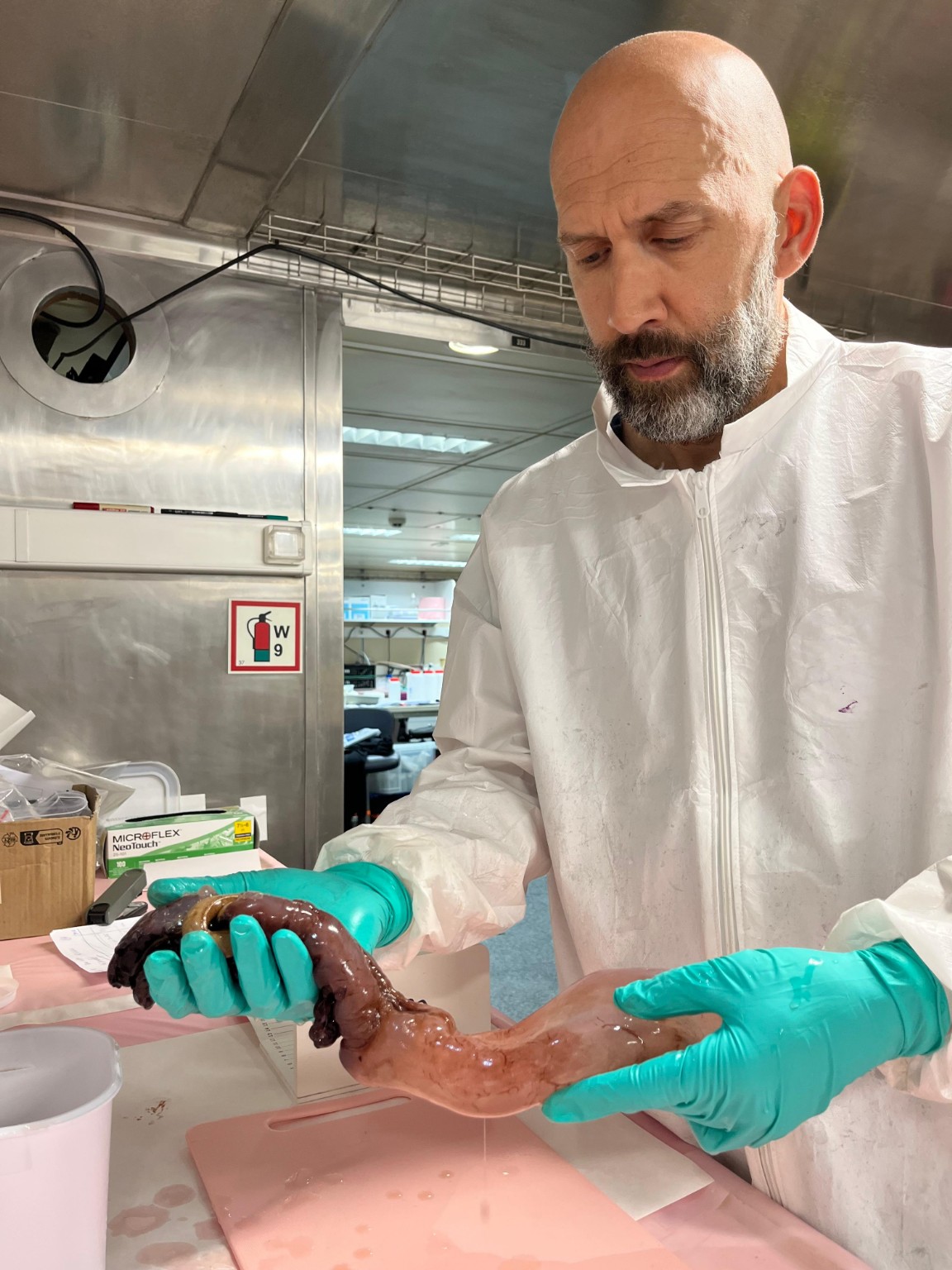
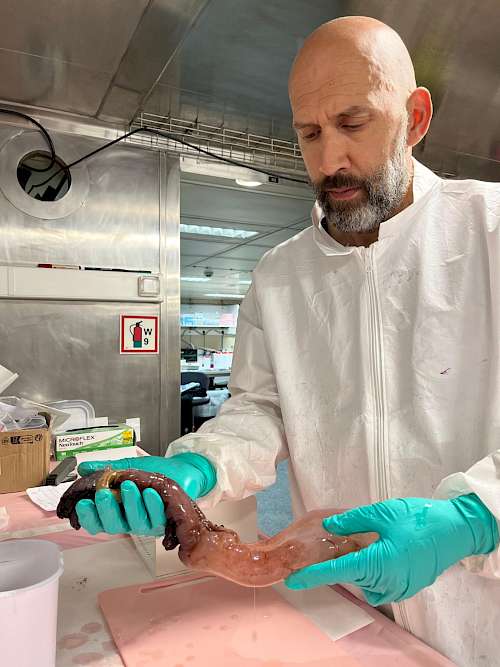 ‘This work is important to help us understand the fate of any releases from such historic dumped waste’ said Dr Justin Gwynn from the Norwegian Radiation and Nuclear Safety Authority (DSA) and who is also a member of the OSPAR Radioactive Substances Committee. ‘The issue of dumped radioactive waste in the North-East Atlantic has long been an issue of interest to OSPAR and this work will help OSPAR address a current task under its North-East Atlantic Environment Strategy 2030 to provide updated information on such historical dump sites’ said Gwynn. ‘This work is important to help us understand the fate of any releases from such historic dumped waste’ said Dr Justin Gwynn from the Norwegian Radiation and Nuclear Safety Authority (DSA) and who is also a member of the OSPAR Radioactive Substances Committee. ‘The issue of dumped radioactive waste in the North-East Atlantic has long been an issue of interest to OSPAR and this work will help OSPAR address a current task under its North-East Atlantic Environment Strategy 2030 to provide updated information on such historical dump sites’ said Gwynn.
The current NODSSUM cruise has already completed 3 dives with the ‘Nautile’ as well as collecting water and fish samples with other equipment and will continue investigations throughout the whole of June.
Download PDF
Images
Top: Launching the ‘Nautile’ submersible to investigate low-level radioactive waste dumped in the North-East Atlantic © NODSSUM campaign, French Oceanographic Fleet & CNRS
Middle: Approximate location, Google Maps
Bottom: Dr Justin Gwynn © NODSSUM campaign, French Oceanographic Fleet & CNRS |
| | |
|