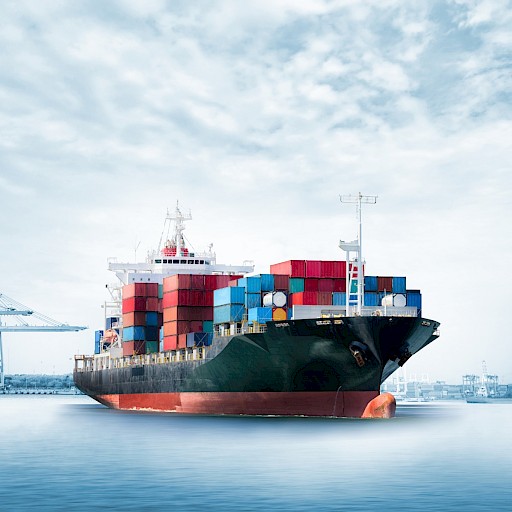
Reducing pollution from shipping activities
What is OSPAR doing? In 2025, OSPAR adopted a new collective measure on management of discharge water from scrubbers on board ships to significantly reduce such discharges in waters under national jurisdiction.
OSPAR Decision 2025/01 on management of discharge water from Exhaust Gas Cleaning Systems on board ships in internal waters and port areas
OSPAR Recommendation 2025/01 on management of discharge water from Exhaust Gas Cleaning Systems on board ships in territorial seas
Roadmap for the consideration of an extension of the scope of OSPAR Decision 2025/01 on management of discharge water from Exhaust Gas Cleaning Systems on board ships in territorial seas (OSPAR Agreement 2025-17)
What is the issue? New global standards on sulphur content in marine fuels have led to an increasing number of ships installing exhaust gas cleaning systems, also known as scrubbers, to reduce air emissions of sulphur oxides. However, these scrubbers result in significant discharge of wash water containing high concentrations of contaminants, especially metals and persistent organic pollutants PAHs, to the marine environment. Scrubber discharge water is highly toxic and has severe adverse effects on the lower trophic levels in the marine food webs, even in small concentrations. The extent of contaminant load from scrubbers is comparable to the input from other point sources of hazardous substances in the OSPAR Maritime Area. It has significant environmental impact and therefore affects ecosystem services by also impacting negatively on economic sectors such as recreation, tourism, fisheries and aquaculture.
How will this benefit the North-East Atlantic? By harmonising their practices in waters under their national jurisdiction, OSPAR’s Contracting Parties are complementing the work of the International Maritime Organization (IMO) and leading the way for future collective action at global level. OSPAR will further reduce environmental impacts on the marine environment whilst ensuring fair competition between ports in its Maritime Area.
Briefing note: Reducing pollution from shipping activities