
OSPAR Science Agenda Knowledge Gap Portal
Welcome to the OSPAR Science Agenda knowledge gap portal. The page showcases important scientific questions and evidence needs identified by OSPAR to help protect and sustainably manage the North-East Atlantic. Use the filters and search options below to explore knowledge gaps by topic, category, region, and status, or browse visually to discover areas where new research, data, or collaborations are needed. The aim is to make it easy for anyone - scientists, funders, and policy makers to understand the current priorities, access key details, and get involved in helping to close these important gaps for a healthier ocean future.
Showing 51 - 75 of 539 items
Regional monitoring of plankton communties
ID Number: BB12.02
Knowledge gap description: Coherence of methodology at regional scale: More effort is needed for the implementation of monitoring programmes at a regional scale.
Topics:
Knowledge Gap Category:
4. data coverage
Assessment Category:
Common indicator assessment
Relevant for MSFD Art 8:
D1C6
Implementation Status
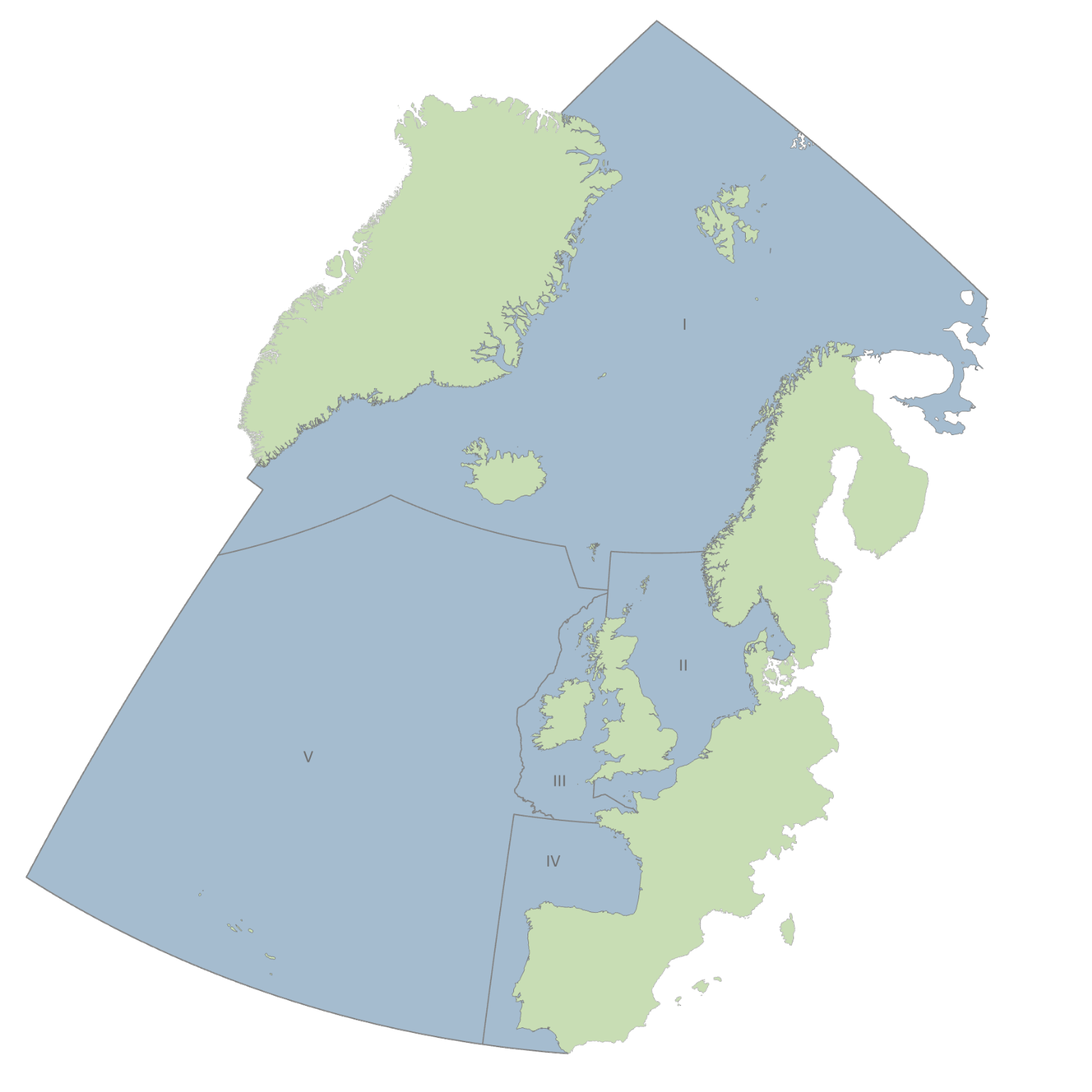
OSPAR Region: All Regions
Source of knowledge gap: QSR2023 - Changes in Plankton Diversity
Implementation of spatial and temporal confidence
ID Number: BB12.03
Knowledge gap description: For a more robust assessment, spatial and temporal confidence of the results should be developed and implemented. This will lead to targeting the location which requires a better sampling effort. Spatial and temporal confidence indices (which will be implemented in future assessments) will address the sampling effort in the pelagic habitats within OSPAR Regions. These spatial and temporal confidence indices will be implemented in future assessments.
Topics:
Knowledge Gap Category:
4. data coverage
Assessment Category:
Common indicator assessment
Relevant for MSFD Art 8:
D1C6
Implementation Status
OSPAR Region: All Regions
Source of knowledge gap: QSR2023 - Changes in Plankton Diversity
Need to investigate possibilites for an intergrated pelagic habitat assessment
ID Number: BB12.04
Knowledge gap description: For a more robust assessment of the pelagic habitat, information on phytoplankton community structure (this assessment) should be complemented by other parameters, such as total community biomass/abundance (PH2) and the dynamics of phytoplankton functional groups (PH1/FW5). Thus, a more holistic assessment of plankton dynamics could be obtained and possibilities for an integrated overall pelagic habitat assessment result should be investigated further.
Topics:
Knowledge Gap Category:
5. cumulative effects & integration
Assessment Category:
Common indicator assessment
Relevant for MSFD Art 8:
D1C6
Implementation Status
OSPAR Region: All Regions
Source of knowledge gap: QSR2023 - Changes in Plankton Diversity
Incorporating the Hill concept in future Plankton Diversity Indicator Assessments
ID Number: BB12.05
Knowledge gap description: Future assessments will be improved by incorporating the Hill concept so that the influence of sampling effort is factored into indicator calculation.
Topics:
Knowledge Gap Category:
1. indicator development
Assessment Category:
Common indicator assessment
Relevant for MSFD Art 8:
D1C6
Implementation Status
OSPAR Region: All Regions
Source of knowledge gap: QSR2023 - Changes in Plankton Diversity
Combining microscopic examinations and molecular methods when monitoring phytoplankton communities
ID Number: BB12.07b
Knowledge gap description: Include additional data sets: characterising marine plankton by manual counting and identifying plankton in a small sample of seawater through a microscope has its limitations. Additional methods could include state-of-the-art (semi-)automated methods and molecular methods. Combining multiple methods may help fill the gaps in microscopic examinations and applying complementary methods will facilitate monitoring the full-size range of the phytoplankton community.
Topics:
Knowledge Gap Category:
4. data coverage
Assessment Category:
Common indicator assessment
Relevant for MSFD Art 8:
D1C6
Implementation Status
OSPAR Region: All Regions
Source of knowledge gap: QSR2023 - Changes in Plankton Diversity
Grey seal breeding and foraging behaviour and human activities
ID Number: BB03.03
Knowledge gap description: There is limited information on the relationship between how the breeding resources that females require to produce pups may be impacted by human activity, and the locations (Assessment Unit, AUs) where impacts on pup production would be realised. The extent that Adult grey seals move between the foraging and breeding seasons and how this may influence local pup production values is poorly understood. Further multi-country collaborative studies on the movements of individual seals could improve this understanding.
Topics:
Knowledge Gap Category:
4. data coverage
Assessment Category:
Common indicator assessment
Relevant for MSFD Art 8:
D1C3
Implementation Status
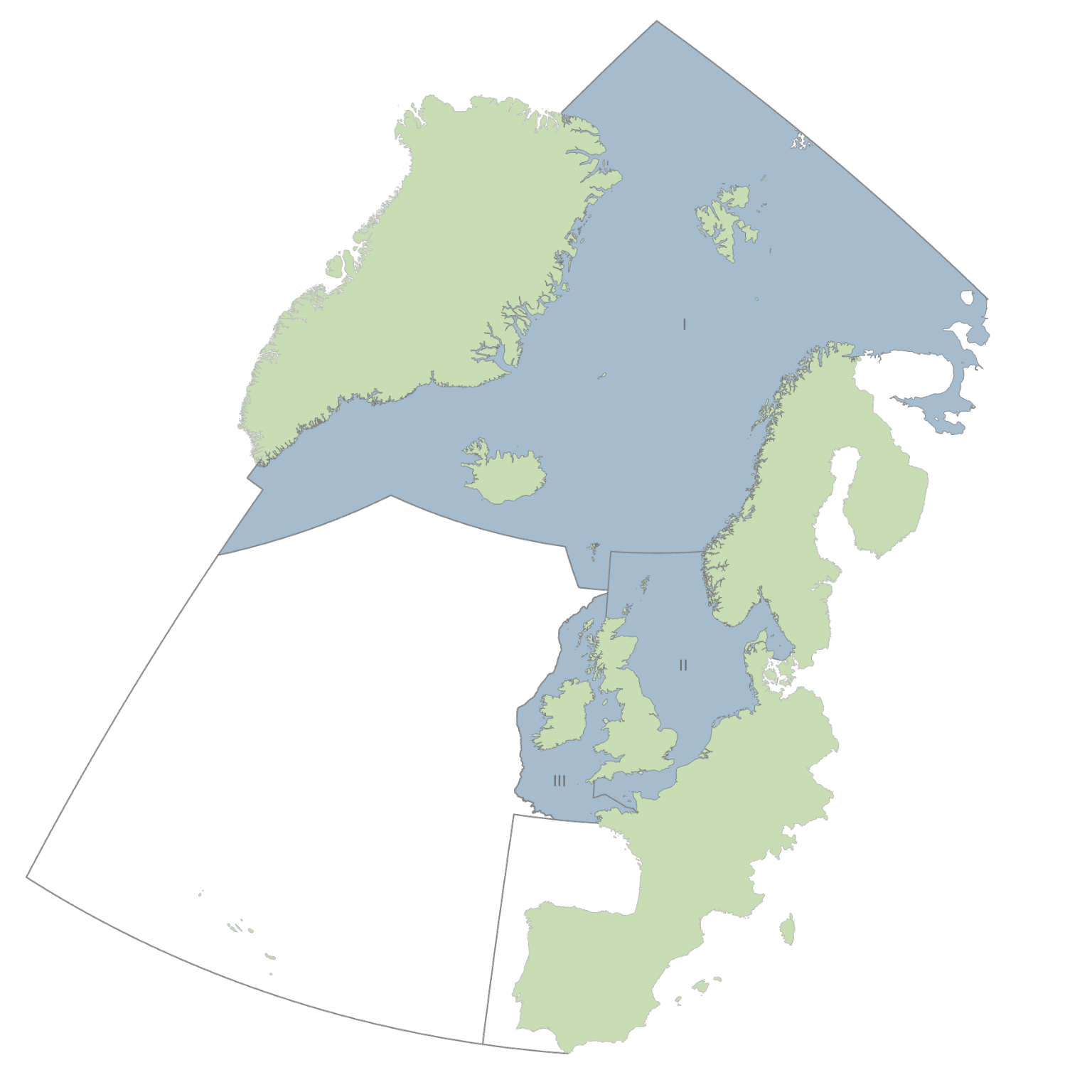
OSPAR Region: Arctic Waters, Greater North Sea, Celtic Seas
Source of knowledge gap: QSR2023 - Grey Seal Pup Production
Grey seal population condition
ID Number: BB03.04
Knowledge gap description: An ideal measure of population condition could include information on female fecundity and pup survival. But, demographic parameters are only available where long term and detailed monitoring of colonies exists, and have limited use at larger scales due to movement of both pups and adults between colonies.
Topics:
Knowledge Gap Category:
1. indicator development
Assessment Category:
Common indicator assessment
Relevant for MSFD Art 8:
D1C3
Implementation Status
OSPAR Region: Arctic Waters, Greater North Sea, Celtic Seas
Source of knowledge gap: QSR2023 - Grey Seal Pup Production
Demographic grey seal studies to predict carrying capacity
ID Number: BB03.05
Knowledge gap description: Present data cannot be used to exclude human influence on pup production. Further demographic studies could help predict carrying capacity for the number of grey seals in the North-East Atlantic and indicate likely future trends in pup production, with and without impacts from human pressures.
Knowledge Gap Category:
1. indicator development
Assessment Category:
Common indicator assessment
Relevant for MSFD Art 8:
D1C3
Implementation Status
OSPAR Region: Arctic Waters, Greater North Sea, Celtic Seas
Source of knowledge gap: QSR2023 - Grey Seal Pup Production
Grey seal monitoring in Assessment Units
ID Number: BB03.07
Knowledge gap description: The statistical power to detect a grey seal population rate of decline of 1% per year was low in some Assessment Units (AUs), especially where monitoring occurs on a less than annual basis.
Topics:
Knowledge Gap Category:
1. indicator development
Assessment Category:
Common indicator assessment
Relevant for MSFD Art 8:
D1C3
Implementation Status
OSPAR Region: Arctic Waters, Greater North Sea, Celtic Seas
Source of knowledge gap: QSR2023 - Grey Seal Pup Production
Revision of threshold value for decline in seal abundance
ID Number: BB01.03
Knowledge gap description: The threshold 1 value for harbour seal population (i.e., rate of decline of 1% per year) may need to be revised for future assessments and/or monitoring programmes improved to enhance the power to detect trends.
Topics:
Knowledge Gap Category:
2. thresholds & references
Assessment Category:
Common indicator assessment
Relevant for MSFD Art 8:
D1C2
Implementation Status
OSPAR Region: Arctic Waters, Greater North Sea, Celtic Seas
Source of knowledge gap: QSR2023 - Seal Abundance and Distribution
Understanding historic declines in seal populations
ID Number: BB01.05
Knowledge gap description: Further studies into the reasons for historic declines are needed to help understand of pressures and impacts on the grey and harbour seal populations.
Topics:
Knowledge Gap Category:
4. data coverage
Assessment Category:
Common indicator assessment
Relevant for MSFD Art 8:
D1C2
Implementation Status
OSPAR Region: Arctic Waters, Greater North Sea, Celtic Seas
Source of knowledge gap: QSR2023 - Seal Abundance and Distribution
Understand how grey and harbour seal impact each other
ID Number: BB01.06
Knowledge gap description: Investigate interactions between grey and harbour seal populations to understand how these impact each other.
Topics:
Knowledge Gap Category:
4. data coverage
Assessment Category:
Common indicator assessment
Relevant for MSFD Art 8:
D1C2
Implementation Status
OSPAR Region: Arctic Waters, Greater North Sea, Celtic Seas
Source of knowledge gap: QSR2023 - Seal Abundance and Distribution
Links between seal distribution and human activities
ID Number: BB01.07
Knowledge gap description: More research is needed to establish direct links between population and human activities.
Knowledge Gap Category:
7. emerging issues of human activities
Assessment Category:
Common indicator assessment
Relevant for MSFD Art 8:
D1C2
Implementation Status
OSPAR Region: Arctic Waters, Greater North Sea, Celtic Seas
Source of knowledge gap: QSR2023 - Seal Abundance and Distribution
Understand how harbour seal populations impact grey seals
ID Number: BB01.08
Knowledge gap description: Grey seal carrying capacity, or the consequences for harbour seals of population change of grey seals, is not yet known.
Topics:
Knowledge Gap Category:
4. data coverage
Assessment Category:
Common indicator assessment
Relevant for MSFD Art 8:
D1C2
Implementation Status
OSPAR Region: Arctic Waters, Greater North Sea, Celtic Seas
Source of knowledge gap: QSR2023 - Seal Abundance and Distribution
Improve delineation of Assessment Units in region III
ID Number: BB18.03
Knowledge gap description: Improve the delineation of population-relevant Assessment Units (AUs) for seal bycatch, particularly for OSPAR Region III (e.g. via use of seal telemetry data).
Knowledge Gap Category:
4. data coverage
Assessment Category:
Common indicator assessment
Relevant for MSFD Art 8:
D1C1
Implementation Status
OSPAR Region: Arctic Waters, Greater North Sea, Celtic Seas
Source of knowledge gap: QSR2023 - Marine Mammal By-catch
Thresholds including total removal from human activities
ID Number: BB18.12
Knowledge gap description: Thresholds: improved knowledge on critical inputs for the modelling necessary to carry out a management strategy evaluation (MSE) would enable updates to the thresholds. The threshold is used only to assess fisheries by-catch and not removal by other human activities. Including these other activities would lower the threshold for by-catch alone. Further guidance on how to allocate total anthropogenic removal limits from multiple causes would benefit future assessments to further refine the by-catch-only thresholds.
Knowledge Gap Category:
2. thresholds & references
Assessment Category:
Common indicator assessment
Relevant for MSFD Art 8:
D1C1
Implementation Status
OSPAR Region: All Regions
Source of knowledge gap: QSR2023 - Marine Mammal By-catch
Need to resolve long-standing by-catch issues
ID Number: BB18.13
Knowledge gap description: Future policy discussions around conservation objectives must be finalised and agreed in order to resolve long-standing issues and achieve agreed indicator outputs for application by OSPAR Contracting Parties (CPs).
Knowledge Gap Category:
2. thresholds & references
Assessment Category:
Common indicator assessment
Relevant for MSFD Art 8:
D1C1
Implementation Status
OSPAR Region: All Regions
Source of knowledge gap: QSR2023 - Marine Mammal By-catch
Better use of regional monitoring data on marine mammals
ID Number: BB31.01a
Knowledge gap description: Better use of data. There is a need to use the large amount of data gathered through regionally coordinated monitoring to better understand marine mammal populations.
Topics:
Knowledge Gap Category:
4. data coverage
Assessment Category:
Thematic assessment
Relevant for MSFD Art 8:
D1C3
Implementation Status
OSPAR Region: All Regions
Source of knowledge gap: QSR2023 - Marine Mammals Thematic Assessment
Better evaluate effectiveness of measures on marine mammals
ID Number: BB31.01b
Knowledge gap description: Better use of data. There is a need to use the large amount of data gathered through regionally coordinated monitoring to evaluate the effectiveness of measures that have been applied.
Topics:
Knowledge Gap Category:
6. effectiveness of measures
Assessment Category:
Thematic assessment
Relevant for MSFD Art 8:
N/A
Implementation Status
OSPAR Region: All Regions
Source of knowledge gap: QSR2023 - Marine Mammals Thematic Assessment
Cause and effect of actions
ID Number: BB31.02
Knowledge gap description: It is not possible to determine if the existing measures are able to reduce impact of human activities and pressures on the marine mammals in the North-East Atlantic. There are gaps in spatial data especially beyond the coastal zone so more spatial data are needed. It is difficult to identify cause and effect relationships between individual actions and effects. Time lags between and action and the desired effect needs to be considered.
Knowledge Gap Category:
6. effectiveness of measures
Assessment Category:
Thematic assessment
Relevant for MSFD Art 8:
N/A
Implementation Status
OSPAR Region: All Regions
Source of knowledge gap: QSR2023 - Marine Mammals Thematic Assessment
Long-term monitoring of marine mammals
ID Number: BB31.03
Knowledge gap description: Long-term monitoring programmes are needed so that effectiveness of management measures could be evaluated.
Topics:
Knowledge Gap Category:
4. data coverage
Assessment Category:
Thematic assessment
Relevant for MSFD Art 8:
N/A
Implementation Status
OSPAR Region: All Regions
Source of knowledge gap: QSR2023 - Marine Mammals Thematic Assessment
Evaluate MPAs conservation benefits on marine mammals
ID Number: BB31.04
Knowledge gap description: There needs to be improved methods of evaluating whether the OSPAR Marine Protected Area (MPA) network's ability to deliver a genuine conservation benefit.
Knowledge Gap Category:
6. effectiveness of measures
Assessment Category:
Thematic assessment
Relevant for MSFD Art 8:
N/A
Implementation Status
OSPAR Region: All Regions
Source of knowledge gap: QSR2023 - Marine Mammals Thematic Assessment
Understanding management effectiveness of MPAs on marine mammals
ID Number: BB31.05
Knowledge gap description: There is gap in understanding of the management effectiveness of the Marine Protected Areas (MPAs) in the MPA networks as well as of the network itself.
Knowledge Gap Category:
6. effectiveness of measures
Assessment Category:
Thematic assessment
Relevant for MSFD Art 8:
N/A
Implementation Status
OSPAR Region: All Regions
Source of knowledge gap: QSR2023 - Marine Mammals Thematic Assessment
Data availability of different human activities in MPA networks
ID Number: BB31.06
Knowledge gap description: There needs to be improved data availability relating to the OSPAR Marine Protected Area (MPA) network to inform managers of different human activities in the marine environment.
Knowledge Gap Category:
4. data coverage
Assessment Category:
Thematic assessment
Relevant for MSFD Art 8:
N/A
Implementation Status
OSPAR Region: All Regions
Source of knowledge gap: QSR2023 - Marine Mammals Thematic Assessment
Gaps in geographic coverage of marine mammals
ID Number: BB31.07
Knowledge gap description: Regarding area-based protection, there are gaps in the geographic coverage of marine mammals, in ecological coherence and in understanding whether or not management is effective.
Knowledge Gap Category:
4. data coverage
Assessment Category:
Thematic assessment
Relevant for MSFD Art 8:
D1C4
Implementation Status
OSPAR Region: All Regions
Source of knowledge gap: QSR2023 - Marine Mammals Thematic Assessment