
OSPAR Science Agenda Knowledge Gap Portal
Welcome to the OSPAR Science Agenda knowledge gap portal. The page showcases important scientific questions and evidence needs identified by OSPAR to help protect and sustainably manage the North-East Atlantic. Use the filters and search options below to explore knowledge gaps by topic, category, region, and status, or browse visually to discover areas where new research, data, or collaborations are needed. The aim is to make it easy for anyone - scientists, funders, and policy makers to understand the current priorities, access key details, and get involved in helping to close these important gaps for a healthier ocean future.
Showing 1 - 25 of 168 items
Lack of by-catch data
ID Number: BB24.01
Knowledge gap description: There is a long-lasting and persisting deficiency of by-catch data for most species (not just birds) and from most parts of the OSPAR Maritime Area. Relevant fishing effort data are still not available or are of insufficient quality. The poor data availability significantly hinders the assessment of by-catch and makes it difficult to plan and apply specifically tailored
management measures.
Knowledge Gap Category:
4. data coverage
Assessment Category:
Pilot assessment
Relevant for MSFD Art 8:
D1C1
Implementation Status
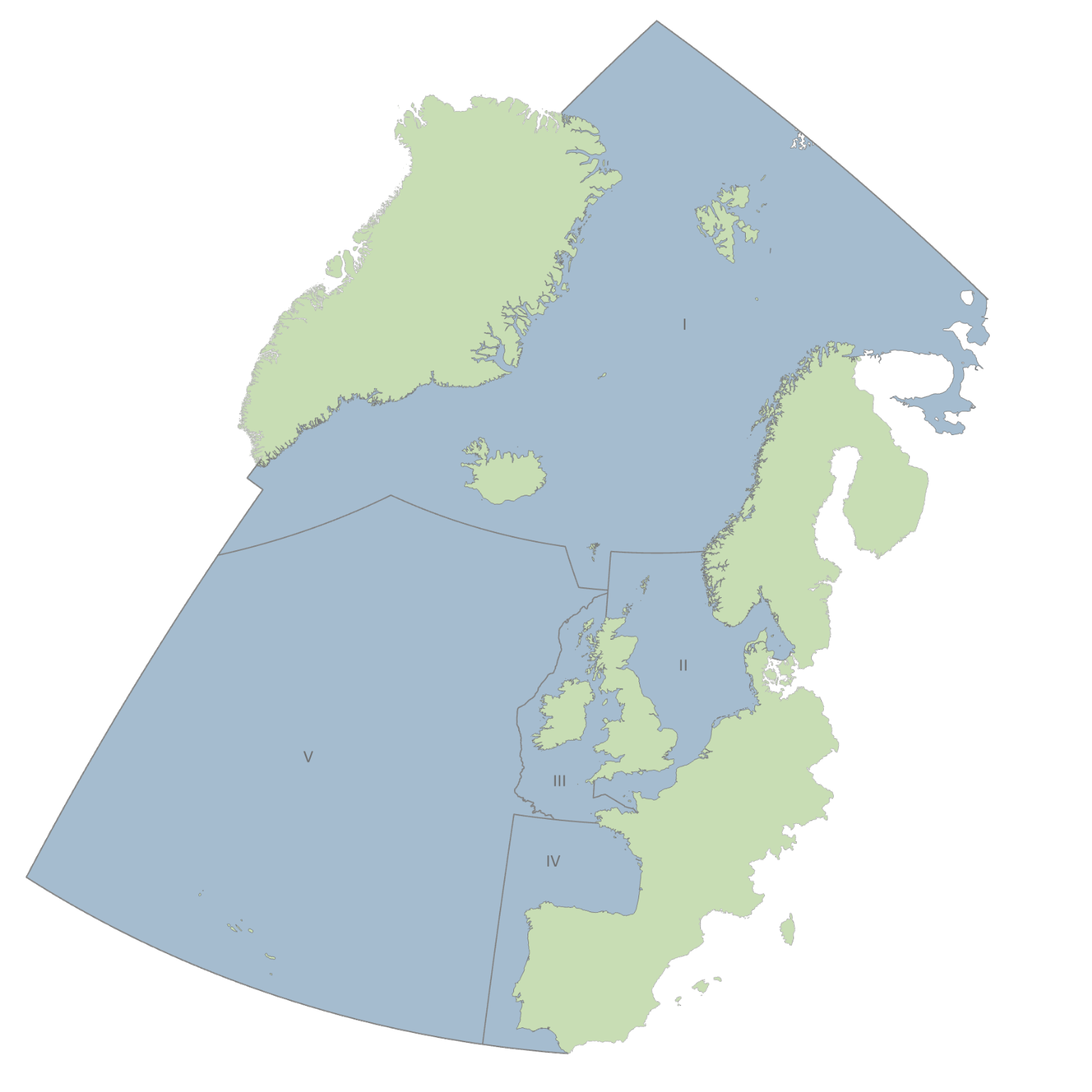
OSPAR Region: All Regions
Source of knowledge gap: QSR2023 - Pilot Assessment of Marine Bird Bycatch
Need for adaptation on the Marine Bird Habitat Quality model
ID Number: BB25.01
Knowledge gap description: In a few cases, explanation of the effects of specific human activities on marine bird species are not straightforward. Therefore, the results of this indicator need to be carefully analysed. Where necessary, the method must be adapted and refined. Specifically, common scoters are disturbed in all areas of their habitat, either by bottom trawlers or by wind farms, so the model cannot estimate a difference between disturbed and undisturbed.
Topics:
Knowledge Gap Category:
1. indicator development
Assessment Category:
Pilot assessment
Relevant for MSFD Art 8:
D1C5
Implementation Status
OSPAR Region: All Regions
Source of knowledge gap: QSR2023 - Pilot Assessment of Marine Bird Habitat Quality
Understand the effects of by-catch on the Balearic shearwater
ID Number: TBC
Knowledge gap description: Need to better understand and address the issue of by-catch.
Knowledge Gap Category:
5. cumulative effects & integration
Assessment Category:
Status assessment
Relevant for MSFD Art 8:
D1C1, D10C4
Implementation Status
OSPAR Region: All Regions
Source of knowledge gap: QSR2023 - Status Assessment 2022 - Balearic shearwater
The impacts of plastic on Balearic shearwater
ID Number: TBC
Knowledge gap description: Information on impact of plastics
Knowledge Gap Category:
5. cumulative effects & integration
Assessment Category:
Status assessment
Relevant for MSFD Art 8:
D10C4
Implementation Status
OSPAR Region: All Regions
Source of knowledge gap: QSR2023 - Status Assessment 2022 - Balearic shearwater
Links between pressures and pelagic habitats at a fine spatiotemporal scale
ID Number: BB10.03
Knowledge gap description: Examine national datasets at a finer spatiotemporal scale, to help establish clearer links between climatic and anthropogenic pressures with changes in pelagic habitats and plankton diversity.
Knowledge Gap Category:
1. indicator development
Assessment Category:
Common indicator assessment
Relevant for MSFD Art 8:
D1C6
Implementation Status
OSPAR Region: All Regions
Source of knowledge gap: QSR2023 - Changes in Phytoplankton and Zooplankton Communities
Demographic grey seal studies to predict carrying capacity
ID Number: BB03.05
Knowledge gap description: Present data cannot be used to exclude human influence on pup production. Further demographic studies could help predict carrying capacity for the number of grey seals in the North-East Atlantic and indicate likely future trends in pup production, with and without impacts from human pressures.
Knowledge Gap Category:
1. indicator development
Assessment Category:
Common indicator assessment
Relevant for MSFD Art 8:
D1C3
Implementation Status
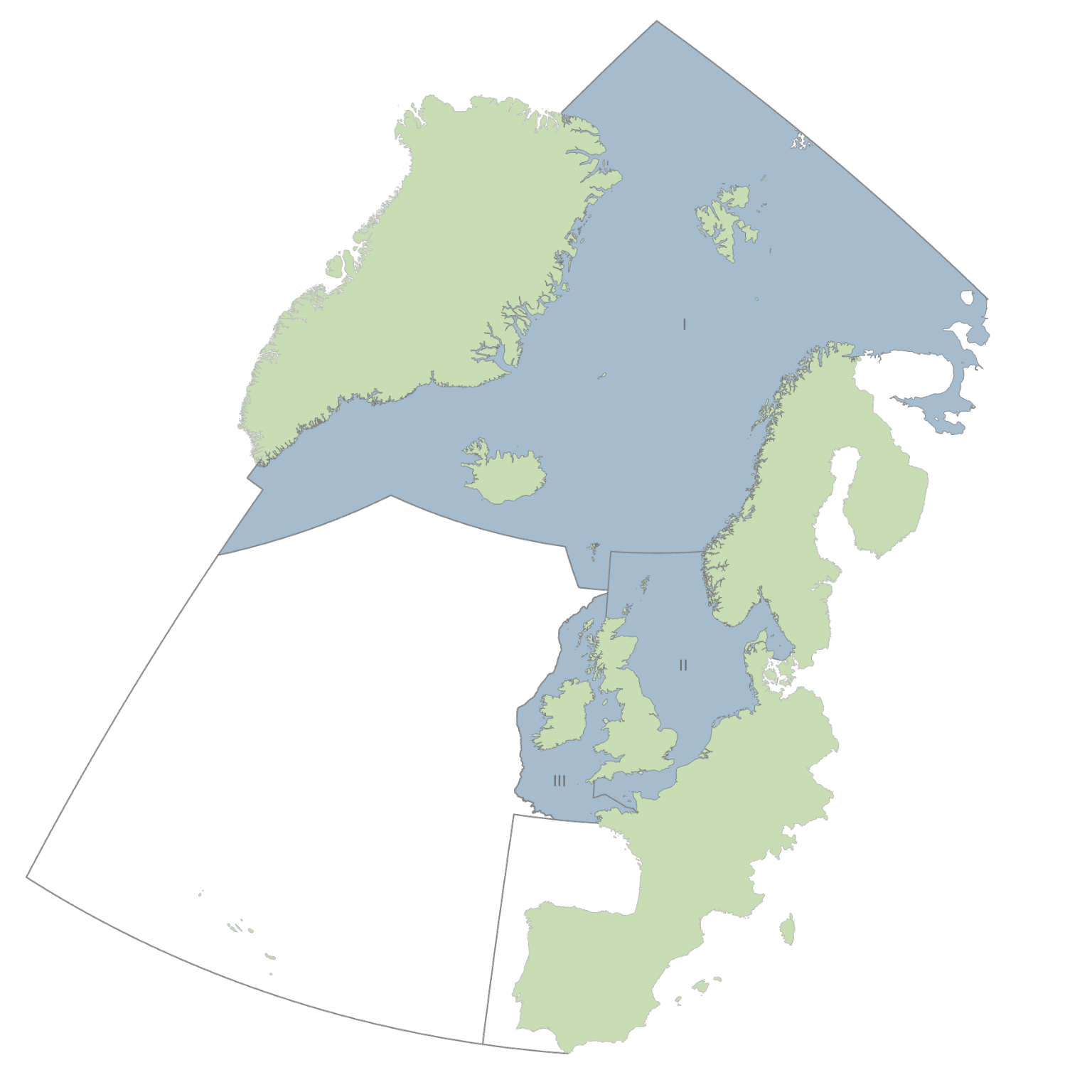
OSPAR Region: Arctic Waters, Greater North Sea, Celtic Seas
Source of knowledge gap: QSR2023 - Grey Seal Pup Production
Links between seal distribution and human activities
ID Number: BB01.07
Knowledge gap description: More research is needed to establish direct links between population and human activities.
Knowledge Gap Category:
7. emerging issues of human activities
Assessment Category:
Common indicator assessment
Relevant for MSFD Art 8:
D1C2
Implementation Status
OSPAR Region: Arctic Waters, Greater North Sea, Celtic Seas
Source of knowledge gap: QSR2023 - Seal Abundance and Distribution
Improve delineation of Assessment Units in region III
ID Number: BB18.03
Knowledge gap description: Improve the delineation of population-relevant Assessment Units (AUs) for seal bycatch, particularly for OSPAR Region III (e.g. via use of seal telemetry data).
Knowledge Gap Category:
4. data coverage
Assessment Category:
Common indicator assessment
Relevant for MSFD Art 8:
D1C1
Implementation Status
OSPAR Region: Arctic Waters, Greater North Sea, Celtic Seas
Source of knowledge gap: QSR2023 - Marine Mammal By-catch
Thresholds including total removal from human activities
ID Number: BB18.12
Knowledge gap description: Thresholds: improved knowledge on critical inputs for the modelling necessary to carry out a management strategy evaluation (MSE) would enable updates to the thresholds. The threshold is used only to assess fisheries by-catch and not removal by other human activities. Including these other activities would lower the threshold for by-catch alone. Further guidance on how to allocate total anthropogenic removal limits from multiple causes would benefit future assessments to further refine the by-catch-only thresholds.
Knowledge Gap Category:
2. thresholds & references
Assessment Category:
Common indicator assessment
Relevant for MSFD Art 8:
D1C1
Implementation Status
OSPAR Region: All Regions
Source of knowledge gap: QSR2023 - Marine Mammal By-catch
Need to resolve long-standing by-catch issues
ID Number: BB18.13
Knowledge gap description: Future policy discussions around conservation objectives must be finalised and agreed in order to resolve long-standing issues and achieve agreed indicator outputs for application by OSPAR Contracting Parties (CPs).
Knowledge Gap Category:
2. thresholds & references
Assessment Category:
Common indicator assessment
Relevant for MSFD Art 8:
D1C1
Implementation Status
OSPAR Region: All Regions
Source of knowledge gap: QSR2023 - Marine Mammal By-catch
Cause and effect of actions
ID Number: BB31.02
Knowledge gap description: It is not possible to determine if the existing measures are able to reduce impact of human activities and pressures on the marine mammals in the North-East Atlantic. There are gaps in spatial data especially beyond the coastal zone so more spatial data are needed. It is difficult to identify cause and effect relationships between individual actions and effects. Time lags between and action and the desired effect needs to be considered.
Knowledge Gap Category:
6. effectiveness of measures
Assessment Category:
Thematic assessment
Relevant for MSFD Art 8:
N/A
Implementation Status
OSPAR Region: All Regions
Source of knowledge gap: QSR2023 - Marine Mammals Thematic Assessment
Data availability of different human activities in MPA networks
ID Number: BB31.06
Knowledge gap description: There needs to be improved data availability relating to the OSPAR Marine Protected Area (MPA) network to inform managers of different human activities in the marine environment.
Knowledge Gap Category:
4. data coverage
Assessment Category:
Thematic assessment
Relevant for MSFD Art 8:
N/A
Implementation Status
OSPAR Region: All Regions
Source of knowledge gap: QSR2023 - Marine Mammals Thematic Assessment
Inadequate marine mammal by-catch monitoring
ID Number: BB31.09
Knowledge gap description: Marine mammal by-catch monitoring and management is inadequate. Management needs objectives (especially thresholds for incidental by-catch of proacted species, above which the risk of not meeting conservation objectives is unacceptable) to be set according to conservation objectives. However, these conservation objectives have not been set yet.
Knowledge Gap Category:
2. thresholds & references
Assessment Category:
Thematic assessment
Relevant for MSFD Art 8:
D1C1
Implementation Status
OSPAR Region: All Regions
Source of knowledge gap: QSR2023 - Marine Mammals Thematic Assessment
Evidence base on impact of marine litter on marine mammals
ID Number: BB31.10
Knowledge gap description: Marine litter can impact mammals by entanglement and ingestion. The Second Regional Action Plan on Marine Litter will cover the development of an evidence base to understand harm.
Knowledge Gap Category:
4. data coverage
Assessment Category:
Thematic assessment
Relevant for MSFD Art 8:
D1C2, D10C4
Implementation Status
OSPAR Region: All Regions
Source of knowledge gap: QSR2023 - Marine Mammals Thematic Assessment
Need for monitoring of marine mammals to understand impact of tourism and recreation
ID Number: BB31.18
Knowledge gap description: Monitoring is needed to evaluate tourism and recreation pressure and impact.
Knowledge Gap Category:
4. data coverage
Assessment Category:
Thematic assessment
Relevant for MSFD Art 8:
D1C2
Implementation Status
OSPAR Region: All Regions
Source of knowledge gap: QSR2023 - Marine Mammals Thematic Assessment
Target human activities to reduce pressures and impact
ID Number: BB31.20
Knowledge gap description: Consider how human activities could be best targeted to reduce pressures and impacts within an Ecosystem Approach.
Knowledge Gap Category:
6. effectiveness of measures
Assessment Category:
Thematic assessment
Relevant for MSFD Art 8:
D1C2
Implementation Status
OSPAR Region: All Regions
Source of knowledge gap: QSR2023 - Marine Mammals Thematic Assessment
Impacts from human activities on blue whale
ID Number: TBC
Knowledge gap description: Impact of human activities such as shipping, underwater noise, entanglement and contaminants on species
Knowledge Gap Category:
5. cumulative effects & integration
Assessment Category:
Status assessment
Relevant for MSFD Art 8:
D1C2, D11C1, D11C2
Implementation Status
OSPAR Region: All Regions
Source of knowledge gap: QSR2023 - Status Assessment 2020 - Blue Whale
Impacts from climate change and human activities on bowhead whale
ID Number: TBC
Knowledge gap description: Effect of melting sea ice and other climate change-induced pressures, including increased human activities in the Arctic
Knowledge Gap Category:
5. cumulative effects & integration
Assessment Category:
Status assessment
Relevant for MSFD Art 8:
D1C2
Implementation Status
OSPAR Region: All Regions
Source of knowledge gap: QSR2023 - Status Assessment 2020 - Bowhead Whale
Activities to be included in the assessment of benthic habitats in coastal areas
ID Number: BB20.01
Knowledge gap description: The assessment is limited to some offshore structures, trawling and aggregate extraction. Other activities (e.g., capital dredging, disposal of sediments, coastal
defence structures or shipping infrastructure) that may be an important factor in coastal areas, are not yet included.
Topics:
Knowledge Gap Category:
1. indicator development, 4. data coverage
Assessment Category:
Pilot assessment
Relevant for MSFD Art 8:
D6C4
Implementation Status
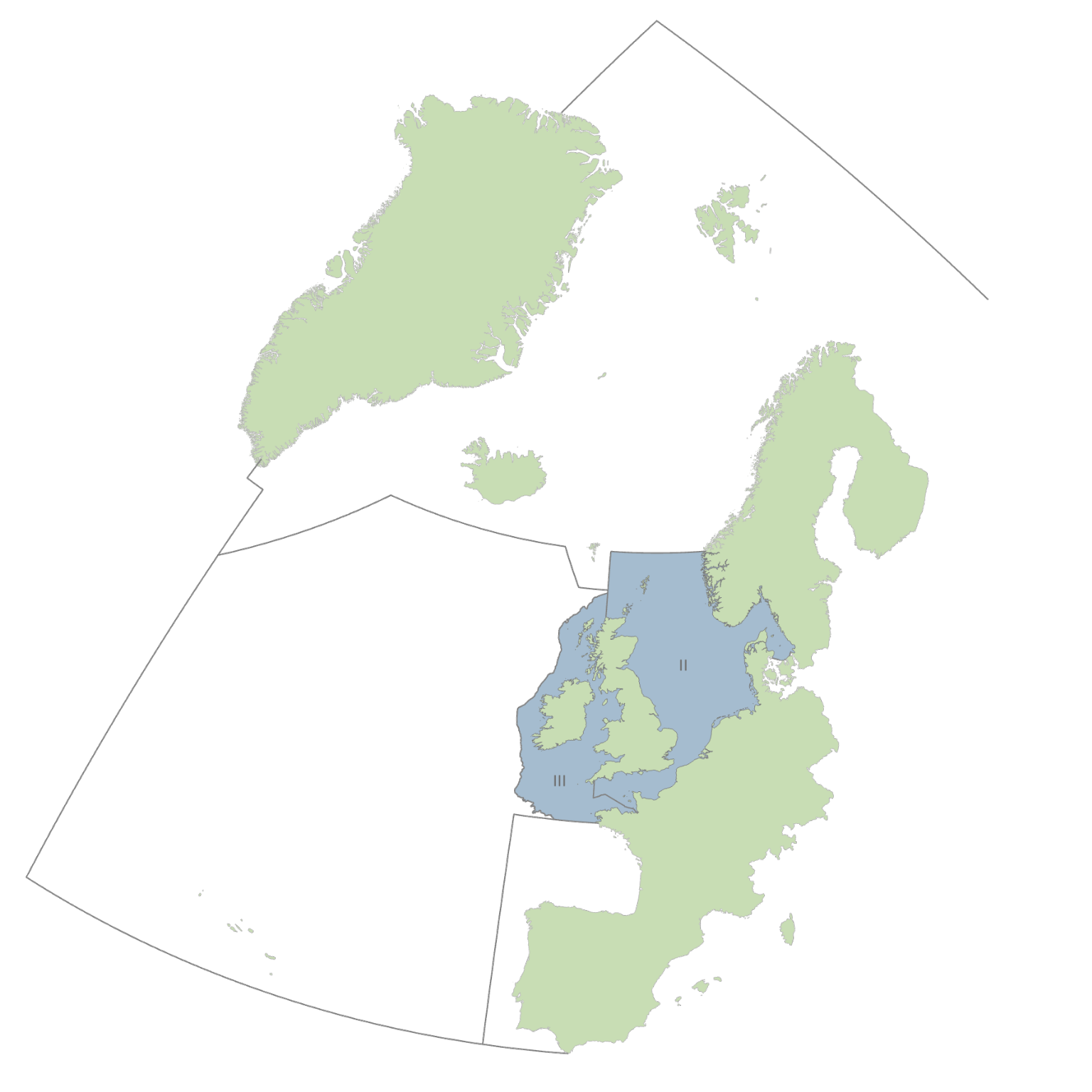
OSPAR Region: Greater North Sea, Celtic Seas
Source of knowledge gap: QSR2023 - Pilot Assessment of Area of Habitat Loss
Information gaps on the distribution and intensity of activities and habitat types
ID Number: BB20.02
Knowledge gap description: There are information gaps on the distribution and intensity of activities and habitat types. Particularly, current data is insufficient for producing a risk assessment for aggregate extraction.
Knowledge Gap Category:
1. indicator development, 4. data coverage
Assessment Category:
Pilot assessment
Relevant for MSFD Art 8:
D6C4
Implementation Status
OSPAR Region: Greater North Sea, Celtic Seas
Source of knowledge gap: QSR2023 - Pilot Assessment of Area of Habitat Loss
Assessment of spatial distribution and intensity of pressure by fishing vessels < 12 m and increasing spatial resolution of VMS data
ID Number: BB20.03
Knowledge gap description: Assessment of spatial distribution and intensity of pressure by fishing vessels < 12 m and increasing spatial resolution of VMS data will improve the assessment of bottom trawling. Also relevant for indicators BH1, BH2b and BH3a.
Knowledge Gap Category:
4. data coverage
Assessment Category:
Pilot assessment
Relevant for MSFD Art 8:
D6C4
Implementation Status
OSPAR Region: Greater North Sea, Celtic Seas
Source of knowledge gap: QSR2023 - Pilot Assessment of Area of Habitat Loss
Calibration of categories proposed for trawling and dredging intensities
ID Number: BB20.04
Knowledge gap description: Some methodological improvements are needed: calibration of categories proposed for trawling and dredging intensities, supported by ground truthing of sites with estimated high risk or the evaluation of sediment changes due to different intensities of fishing or extraction.
Knowledge Gap Category:
1. indicator development
Assessment Category:
Pilot assessment
Relevant for MSFD Art 8:
D6C4
Implementation Status
OSPAR Region: Greater North Sea, Celtic Seas
Source of knowledge gap: QSR2023 - Pilot Assessment of Area of Habitat Loss
Influence of various anthropogenic stressors, using pressure-state relationships to define thresholds and assessments values.
ID Number: BB27.06
Knowledge gap description: Investigate the influence of various (cumulative) anthropogenic stressors using pressure-state relationships that help to further define thresholds and assessments values by looking for commonalities. The pressures effects on ecological network analysis (ENA) indices need to be studied (1) separately, and (2) under multi-pressure conditions (the cumulative effects).
Topics:
Knowledge Gap Category:
5. cumulative effects & integration
Assessment Category:
Pilot assessment
Relevant for MSFD Art 8:
D4C1, D4C2, D4C3, D4C4
Implementation Status
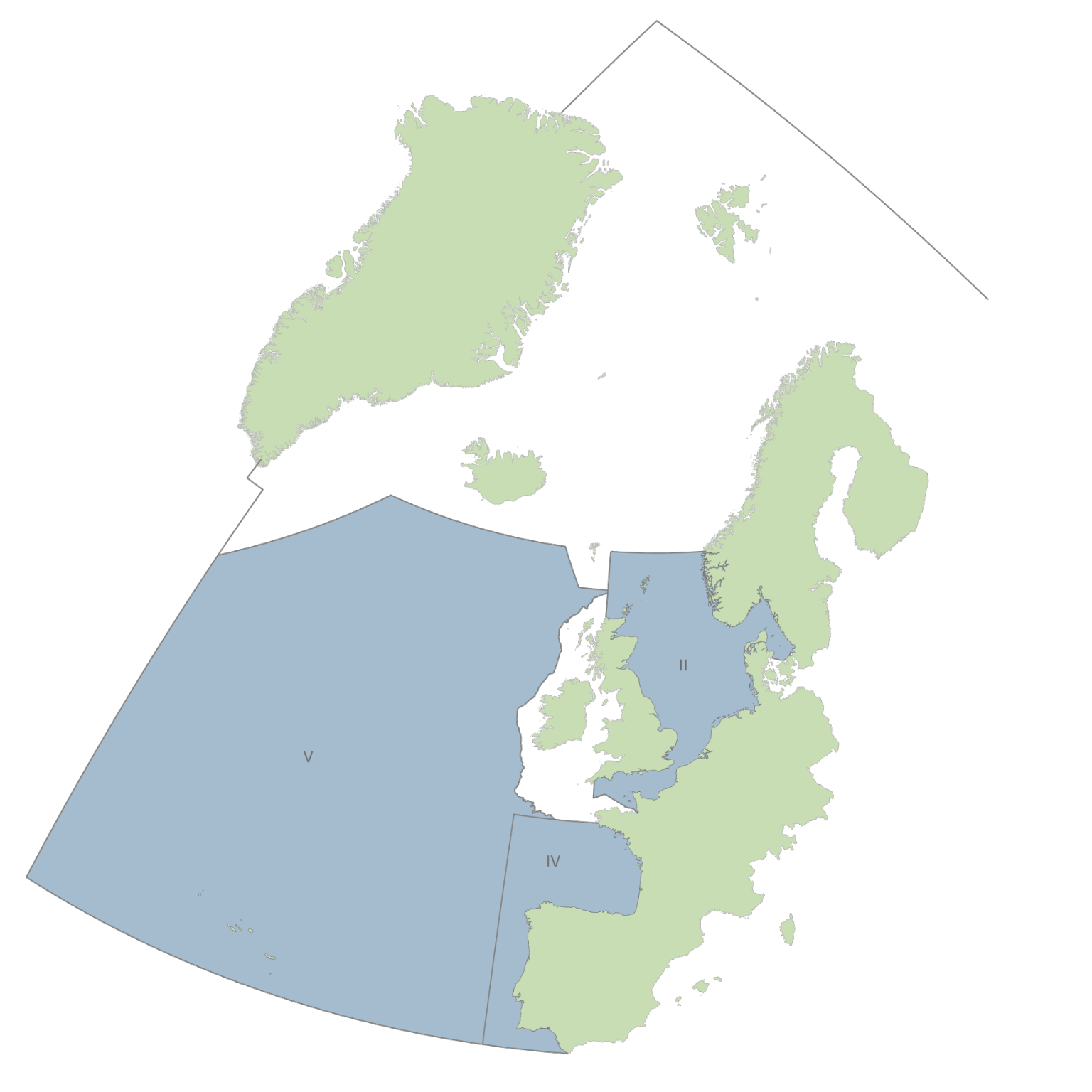
OSPAR Region: Greater North Sea, Bay of Biscay and Iberian Coast, Wider Atlantic
Source of knowledge gap: QSR2023 - Pilot Assessment of Ecological Network Analysis Indices
Feeding guild responses to environmental and anthropogenic pressures.
ID Number: TBC
Knowledge gap description: Feeding guild responses to environmental and anthropogenic pressures were not considered.
Knowledge Gap Category:
1. indicator development
Assessment Category:
Pilot assessment
Relevant for MSFD Art 8:
D4C1, D4C2, D4C3, D4C4
Implementation Status
OSPAR Region: All Regions
Source of knowledge gap: QSR2023 - Pilot Assessment of Feeding Guilds
Data collection and research to support the mitigation of food web effects from the impacts of human activities.
ID Number: TBC
Knowledge gap description: Results from the 38 assessments conducted over four Regions show that need for additional data collection and research to support the mitigation of food web effects arising from the impacts of human activities.
Topics:
Knowledge Gap Category:
4. data coverage
Assessment Category:
Thematic assessment
Relevant for MSFD Art 8:
D4C1, D4C2, D4C3, D4C4
Implementation Status
OSPAR Region: All Regions
Source of knowledge gap: QSR2023 - Food webs Thematic Assessment