OSPAR Science Agenda Knowledge Gap Portal
Welcome to the OSPAR Science Agenda knowledge gap portal. The page showcases important scientific questions and evidence needs identified by OSPAR to help protect and sustainably manage the North-East Atlantic. Use the filters and search options below to explore knowledge gaps by topic, category, region, and status, or browse visually to discover areas where new research, data, or collaborations are needed. The aim is to make it easy for anyone - scientists, funders, and policy makers to understand the current priorities, access key details, and get involved in helping to close these important gaps for a healthier ocean future.
Showing 1 - 7 of 7 items
Understanding impacts of changes in species used for aquaculture
ID Number: TBC
Knowledge gap description: Marine aquaculture in the OSPAR region is mainly with a few species. The EU Aquaspace project noted that more understanding and new strategies would be needed if this were to change.
Topics:
Knowledge Gap Category:
4. data coverage
Assessment Category:
Other assessment
Relevant for MSFD Art 8:
N/A
Implementation Status
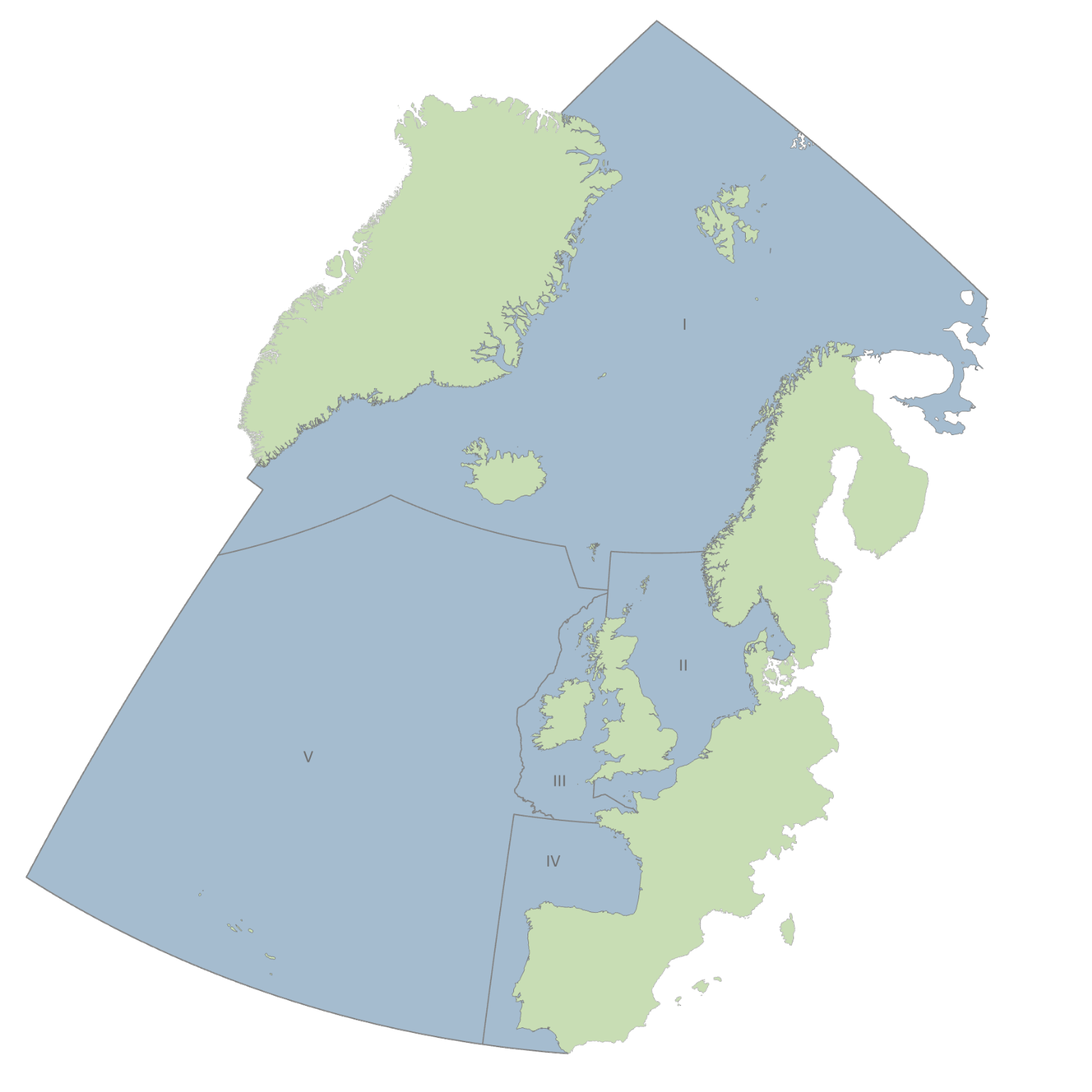
OSPAR Region: All Regions
Source of knowledge gap: QSR2023 - Feeder Report 2021 - Aquaculture
Seaweed aquaculture
ID Number: TBC
Knowledge gap description: Understanding of possible impacts from expansion of seaweed aquaculture such as disease, alteration in population genetics and alterations to the physio-chemical environment needs to be developed.
Topics:
Knowledge Gap Category:
4. data coverage
Assessment Category:
Other assessment
Relevant for MSFD Art 8:
N/A
Implementation Status
OSPAR Region: All Regions
Source of knowledge gap: QSR2023 - Feeder Report 2021 - Aquaculture
Use of therapeutic treatments in aquaculture
ID Number: TBC
Knowledge gap description: Significant knowledge gaps remain relating to the persistence of therapeutic treatments, the impact of long-term or multiple exposures during the life cycle of nontarget species, and the effects of exposure to multiple medicines on non-target species and the ecosystem.
Topics:
Knowledge Gap Category:
4. data coverage
Assessment Category:
Other assessment
Relevant for MSFD Art 8:
N/A
Implementation Status
OSPAR Region: All Regions
Source of knowledge gap: QSR2023 - Feeder Report 2021 - Aquaculture
Limits for contaminants in fish feed based in environmental effects in surrounding sediments
ID Number: TBC
Knowledge gap description: Regulatory limits set for contaminants in fish feed have been based on fish health and food safety and not the risk of environmental effects in surrounding sediments.
Topics:
Knowledge Gap Category:
2. thresholds & references
Assessment Category:
Other assessment
Relevant for MSFD Art 8:
D8C1, D9C1
Implementation Status
OSPAR Region: All Regions
Source of knowledge gap: QSR2023 - Feeder Report 2021 - Aquaculture
Offshore and large-scale aquaculture
ID Number: TBC
Knowledge gap description: OSPAR should increase its understanding of the potential impacts of future growth in aquaculture production in the OSPAR Maritime Area, including development of offshore and large-scale aquaculture (e.g., in relation to spatial planning, the risk of spread of non-indigenous species or parasites, or contamination of water with hazardous substances, pharmaceuticals, or nutrients).
Knowledge Gap Category:
5. cumulative effects & integration
Assessment Category:
Other assessment
Relevant for MSFD Art 8:
D2C1, D2C2, D2C3, D8C1, D5C1
Implementation Status
OSPAR Region: All Regions
Source of knowledge gap: QSR2023 - Feeder Report 2021 - Aquaculture
Reporting escapes from Aquaculture
ID Number: TBC
Knowledge gap description: Escapes: There could be improvement in reporting of escapes, defining the cause of escapes, and understanding the impacts on wild populations.
Topics:
Knowledge Gap Category:
4. data coverage
Assessment Category:
Other assessment
Relevant for MSFD Art 8:
N/A
Implementation Status
OSPAR Region: All Regions
Source of knowledge gap: QSR2023 - Feeder Report 2021 - Aquaculture
Bivalve aquaculture
ID Number: TBC
Knowledge gap description: Knowledge gaps and areas for future research identified by ICES include ecological carrying capacity, the impacts of different methods of bivalve culture in different environments, the use and control of non-native species, unexplained variation in the availability and settlement of seed mussels, and impacts on birds, mammals and sensitive habitats
Topics:
Knowledge Gap Category:
4. data coverage
Assessment Category:
Other assessment
Relevant for MSFD Art 8:
N/A
Implementation Status
OSPAR Region: All Regions
Source of knowledge gap: QSR2023 - Feeder Report 2021 - Aquaculture