OSPAR Science Agenda Knowledge Gap Portal
Welcome to the OSPAR Science Agenda knowledge gap portal. The page showcases important scientific questions and evidence needs identified by OSPAR to help protect and sustainably manage the North-East Atlantic. Use the filters and search options below to explore knowledge gaps by topic, category, region, and status, or browse visually to discover areas where new research, data, or collaborations are needed. The aim is to make it easy for anyone - scientists, funders, and policy makers to understand the current priorities, access key details, and get involved in helping to close these important gaps for a healthier ocean future.
Showing 1 - 12 of 12 items
Links between changes in the physical and chemical ocean climate
ID Number: A3.03
Knowledge gap description: Improved understanding of the fundamental links between changes in the physical and chemical ocean climate, the marine ecosystem, and human activities in the marine environment. Causal links between these changes and other OSPAR receptors (species, habitats, hazardous substances, marine litter, eutrophication, radioactive substances) are unknown, including the complex interactions between these.
Topics:
Knowledge Gap Category:
7. emerging issues of human activities
Assessment Category:
Thematic assessment
Relevant for MSFD Art 8:
N/A
Implementation Status
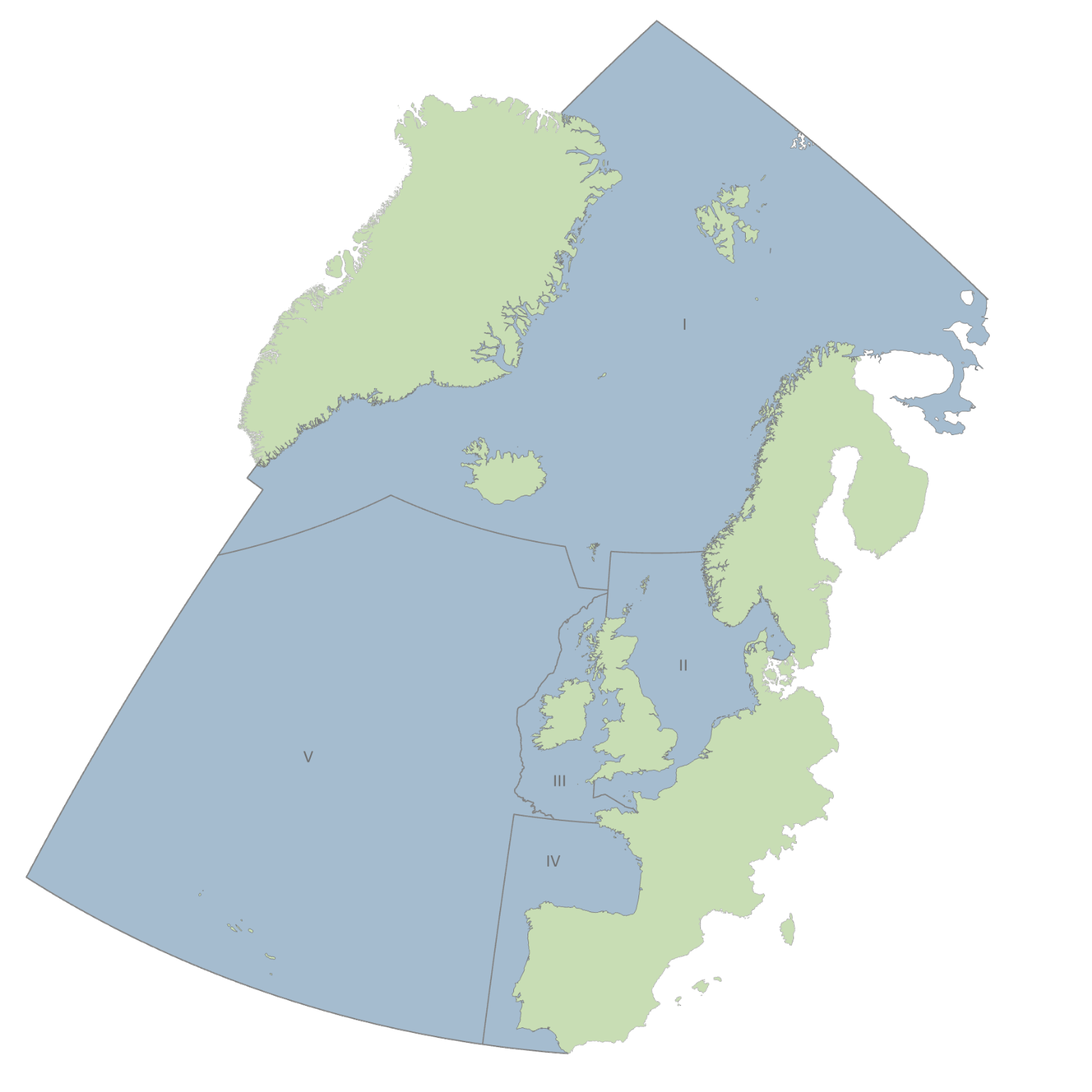
OSPAR Region: All Regions
Source of knowledge gap: QSR2023 - Climate Change Thematic Assessment
Impacts of climate change and ocean acidification
ID Number: A3.04
Knowledge gap description: A lack of distinction of the impacts of climate change and ocean acidification from those of other processes that are either primary or managed drivers. This includes how indicators change in response to these multiple stressors.
Knowledge Gap Category:
1. indicator development
Assessment Category:
Thematic assessment
Relevant for MSFD Art 8:
N/A
Implementation Status
OSPAR Region: All Regions
Source of knowledge gap: QSR2023 - Climate Change Thematic Assessment
Reduction of tritium in effluents
ID Number: TBC
Knowledge gap description: The development of industrial abatement techniques for tritium in the liquid effluent of power and reprocessing plants
Topics:
Knowledge Gap Category:
6. effectiveness of measures
Assessment Category:
Other assessment
Relevant for MSFD Art 8:
N/A
Implementation Status
OSPAR Region: All Regions
Source of knowledge gap: QSR2023 - Fifth periodic evaluation of progress towards the objective of the OSPAR Radioactive Substances Strategy
Reduction of radionuclides in produced water
ID Number: TBC
Knowledge gap description: The development of suitable techniques that could selectively reduce levels of radionuclides in produced water as it was being extracted and discharged. OSPAR's Offshore Industry Committee Expert Assessment Panel (OIC EAP) concluded in 2018 that there were no such suitable technologies.
Knowledge Gap Category:
6. effectiveness of measures
Assessment Category:
Other assessment
Relevant for MSFD Art 8:
N/A
Implementation Status
OSPAR Region: All Regions
Source of knowledge gap: QSR2023 - Fifth periodic evaluation of progress towards the objective of the OSPAR Radioactive Substances Strategy
Contribution of radionuclides to cumulative impacts
ID Number: TBC
Knowledge gap description: Cumulative impacts of radionuclides with other environmental stressors
Topics:
Knowledge Gap Category:
5. cumulative effects & integration
Assessment Category:
Thematic assessment
Relevant for MSFD Art 8:
N/A
Implementation Status
OSPAR Region: All Regions
Source of knowledge gap: QSR2023 - Radioactive Substances Thematic Assessment
Avoiding nuclear waste in new facilities
ID Number: TBC
Knowledge gap description: Development of novel materials and techniques to avoid the generation of radioactive waste in new nuclear facilities
Topics:
Knowledge Gap Category:
7. emerging issues of human activities
Assessment Category:
Thematic assessment
Relevant for MSFD Art 8:
N/A
Implementation Status
OSPAR Region: All Regions
Source of knowledge gap: QSR2023 - Radioactive Substances Thematic Assessment
New sources of radionuclides
ID Number: TBC
Knowledge gap description: Fate and behaviour of radionuclides used in novel techniques (e.g., in the medical sector)
Topics:
Knowledge Gap Category:
7. emerging issues of human activities
Assessment Category:
Thematic assessment
Relevant for MSFD Art 8:
N/A
Implementation Status
OSPAR Region: All Regions
Source of knowledge gap: QSR2023 - Radioactive Substances Thematic Assessment
Concentrations of radionucides from offshore installations in sediments
ID Number: TBC
Knowledge gap description: Environmental concentration of naturally occurring radionuclides from offshore oil and gas discharges of produced water in sediments
Knowledge Gap Category:
4. data coverage
Assessment Category:
Thematic assessment
Relevant for MSFD Art 8:
N/A
Implementation Status
OSPAR Region: All Regions
Source of knowledge gap: QSR2023 - Radioactive Substances Thematic Assessment
Radionuclides in a changing climate
ID Number: TBC
Knowledge gap description: Impact of climate change and ocean acidification on sources, fate and behaviour of radionuclides
Knowledge Gap Category:
5. cumulative effects & integration
Assessment Category:
Thematic assessment
Relevant for MSFD Art 8:
N/A
Implementation Status
OSPAR Region: All Regions
Source of knowledge gap: QSR2023 - Radioactive Substances Thematic Assessment
Impacts of radionuclides from disused installations
ID Number: TBC
Knowledge gap description: Impact of leaving in-situ NORM (Naturally Occuring Radioactive Material) contaminated oil and gas infrastructure (e.g., pipeline)
Knowledge Gap Category:
6. effectiveness of measures
Assessment Category:
Thematic assessment
Relevant for MSFD Art 8:
N/A
Implementation Status
OSPAR Region: All Regions
Source of knowledge gap: QSR2023 - Radioactive Substances Thematic Assessment
Radioactivity levels at historic Atlantic dump sites
ID Number: TBC
Knowledge gap description: More data are needed on the radioactivity levels at historic Atlantic dump sites. Campaigns to monitor historic Atlantic dump sites with increased technical capability are therefore needed.
Topics:
Knowledge Gap Category:
4. data coverage
Assessment Category:
Thematic assessment
Relevant for MSFD Art 8:
N/A
Implementation Status
OSPAR Region: All Regions
Source of knowledge gap: QSR2023 - Radioactive Substances Thematic Assessment
Radionuclides from deep sea mining
ID Number: TBC
Knowledge gap description: Discharges of radioactive substances and associated impacts of deep seabed mining activities
Knowledge Gap Category:
4. data coverage, 7. emerging issues of human activities
Assessment Category:
Thematic assessment
Relevant for MSFD Art 8:
N/A
Implementation Status
OSPAR Region: All Regions
Source of knowledge gap: QSR2023 - Radioactive Substances Thematic Assessment