OSPAR Science Agenda Knowledge Gap Portal
Welcome to the OSPAR Science Agenda knowledge gap portal. The page showcases important scientific questions and evidence needs identified by OSPAR to help protect and sustainably manage the North-East Atlantic. Use the filters and search options below to explore knowledge gaps by topic, category, region, and status, or browse visually to discover areas where new research, data, or collaborations are needed. The aim is to make it easy for anyone - scientists, funders, and policy makers to understand the current priorities, access key details, and get involved in helping to close these important gaps for a healthier ocean future.
Showing 1 - 7 of 7 items
Activities to be included in the assessment of benthic habitats in coastal areas
ID Number: BB20.01
Knowledge gap description: The assessment is limited to some offshore structures, trawling and aggregate extraction. Other activities (e.g., capital dredging, disposal of sediments, coastal
defence structures or shipping infrastructure) that may be an important factor in coastal areas, are not yet included.
Topics:
Knowledge Gap Category:
1. indicator development, 4. data coverage
Assessment Category:
Pilot assessment
Relevant for MSFD Art 8:
D6C4
Implementation Status
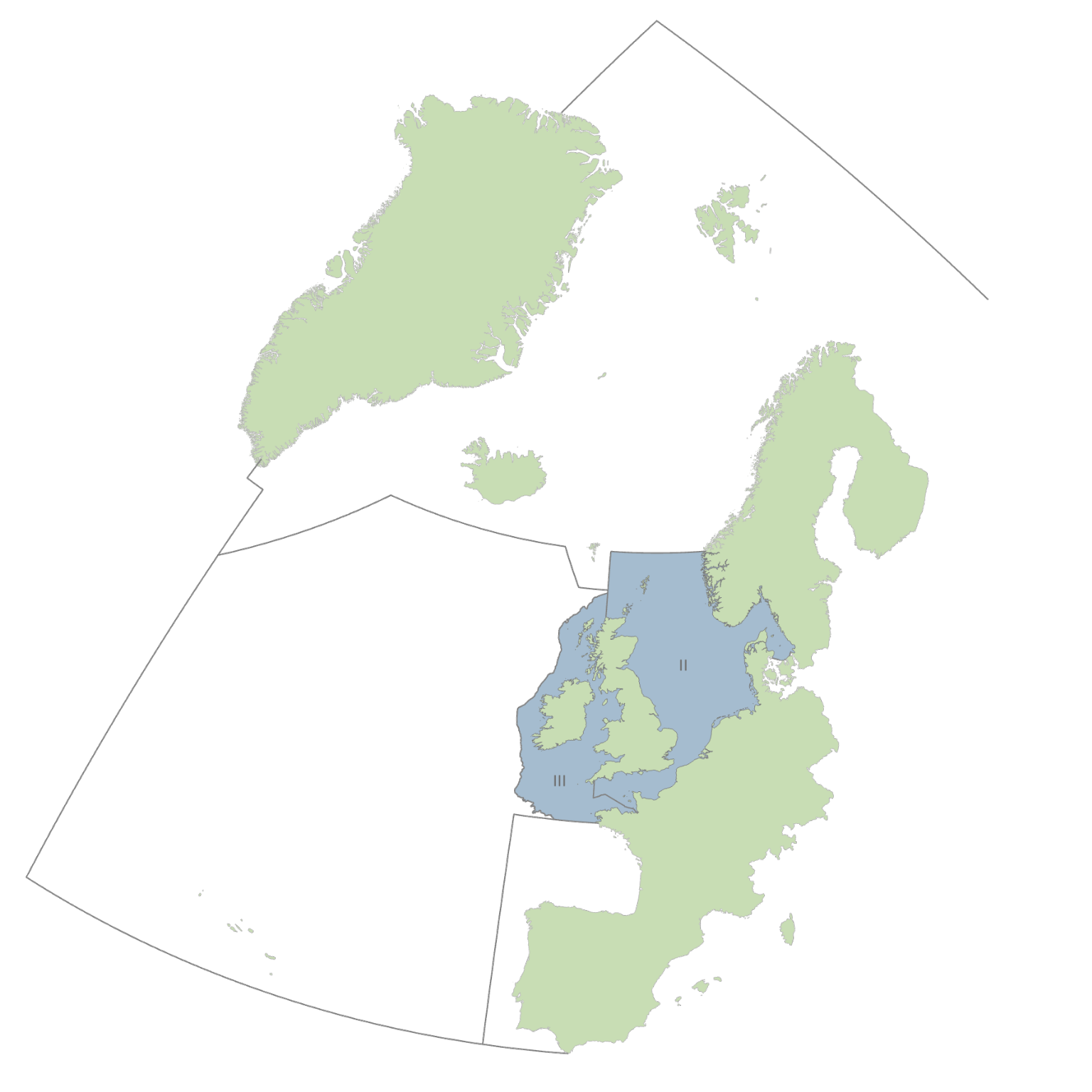
OSPAR Region: Greater North Sea, Celtic Seas
Source of knowledge gap: QSR2023 - Pilot Assessment of Area of Habitat Loss
Microplastics from offshore infrastructure
ID Number: TBC
Knowledge gap description: Source of microplastics from offshore infrastructures
Knowledge Gap Category:
4. data coverage
Assessment Category:
Pilot assessment
Relevant for MSFD Art 8:
D10C2
Implementation Status
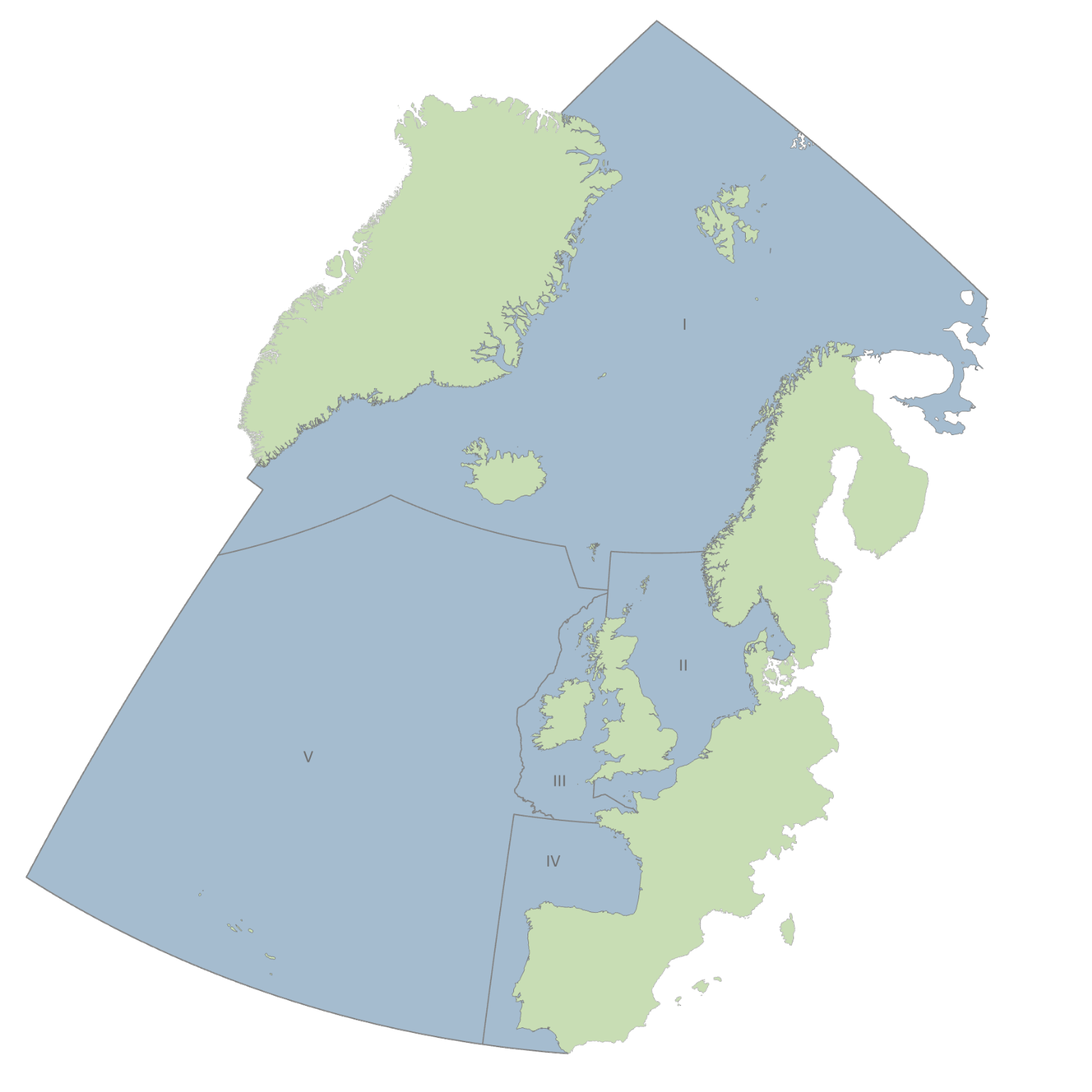
OSPAR Region: All Regions
Source of knowledge gap: QSR2023 - Microplastics Candidate Indicator Pilot Assessment
Impact of artificial structures on birds
ID Number: TBC
Knowledge gap description: The influence of artificial structures on the nesting population of marine birds
Knowledge Gap Category:
4. data coverage, 7. emerging issues of human activities
Assessment Category:
N/A
Relevant for MSFD Art 8:
D1C2
Impact of offshore chemicals on eutrophication
ID Number: TBC
Knowledge gap description: The impact of offshore chemicals on eutrophication status of the OSPAR maritime area is unknown.
Knowledge Gap Category:
4. data coverage
Assessment Category:
N/A
Relevant for MSFD Art 8:
D5C1, D5C2, D5C3, D5C4, D5C5, D5C6, D5C7, D5C8
Reduction of radionuclides in produced water
ID Number: TBC
Knowledge gap description: The development of suitable techniques that could selectively reduce levels of radionuclides in produced water as it was being extracted and discharged. OSPAR's Offshore Industry Committee Expert Assessment Panel (OIC EAP) concluded in 2018 that there were no such suitable technologies.
Knowledge Gap Category:
6. effectiveness of measures
Assessment Category:
Other assessment
Relevant for MSFD Art 8:
N/A
Implementation Status
OSPAR Region: All Regions
Source of knowledge gap: QSR2023 - Fifth periodic evaluation of progress towards the objective of the OSPAR Radioactive Substances Strategy
Concentrations of radionucides from offshore installations in sediments
ID Number: TBC
Knowledge gap description: Environmental concentration of naturally occurring radionuclides from offshore oil and gas discharges of produced water in sediments
Knowledge Gap Category:
4. data coverage
Assessment Category:
Thematic assessment
Relevant for MSFD Art 8:
N/A
Implementation Status
OSPAR Region: All Regions
Source of knowledge gap: QSR2023 - Radioactive Substances Thematic Assessment
Impacts of radionuclides from disused installations
ID Number: TBC
Knowledge gap description: Impact of leaving in-situ NORM (Naturally Occuring Radioactive Material) contaminated oil and gas infrastructure (e.g., pipeline)
Knowledge Gap Category:
6. effectiveness of measures
Assessment Category:
Thematic assessment
Relevant for MSFD Art 8:
N/A
Implementation Status
OSPAR Region: All Regions
Source of knowledge gap: QSR2023 - Radioactive Substances Thematic Assessment