
OSPAR Science Agenda Knowledge Gap Portal
Welcome to the OSPAR Science Agenda knowledge gap portal. The page showcases important scientific questions and evidence needs identified by OSPAR to help protect and sustainably manage the North-East Atlantic. Use the filters and search options below to explore knowledge gaps by topic, category, region, and status, or browse visually to discover areas where new research, data, or collaborations are needed. The aim is to make it easy for anyone - scientists, funders, and policy makers to understand the current priorities, access key details, and get involved in helping to close these important gaps for a healthier ocean future.
Showing 351 - 375 of 539 items
Seafloor litter in trawls for fish stock surveys
ID Number: BE02.04
Knowledge gap description: There are also some gaps for the current indicator which uses information from trawls for fish stock surveys. There is a need to better understand the effect of sampling design (fixed and random stratified sampling stations), the difference between gear types, their impact on the catchability, how much litter from the seafloor is collected during surveys, if there are differences with counting methods between countries, and finally the impact of sediment type, morphology and amount of catch on catchability.
Knowledge Gap Category:
5. cumulative effects & integration
Assessment Category:
Common indicator assessment
Relevant for MSFD Art 8:
D10C1
Implementation Status
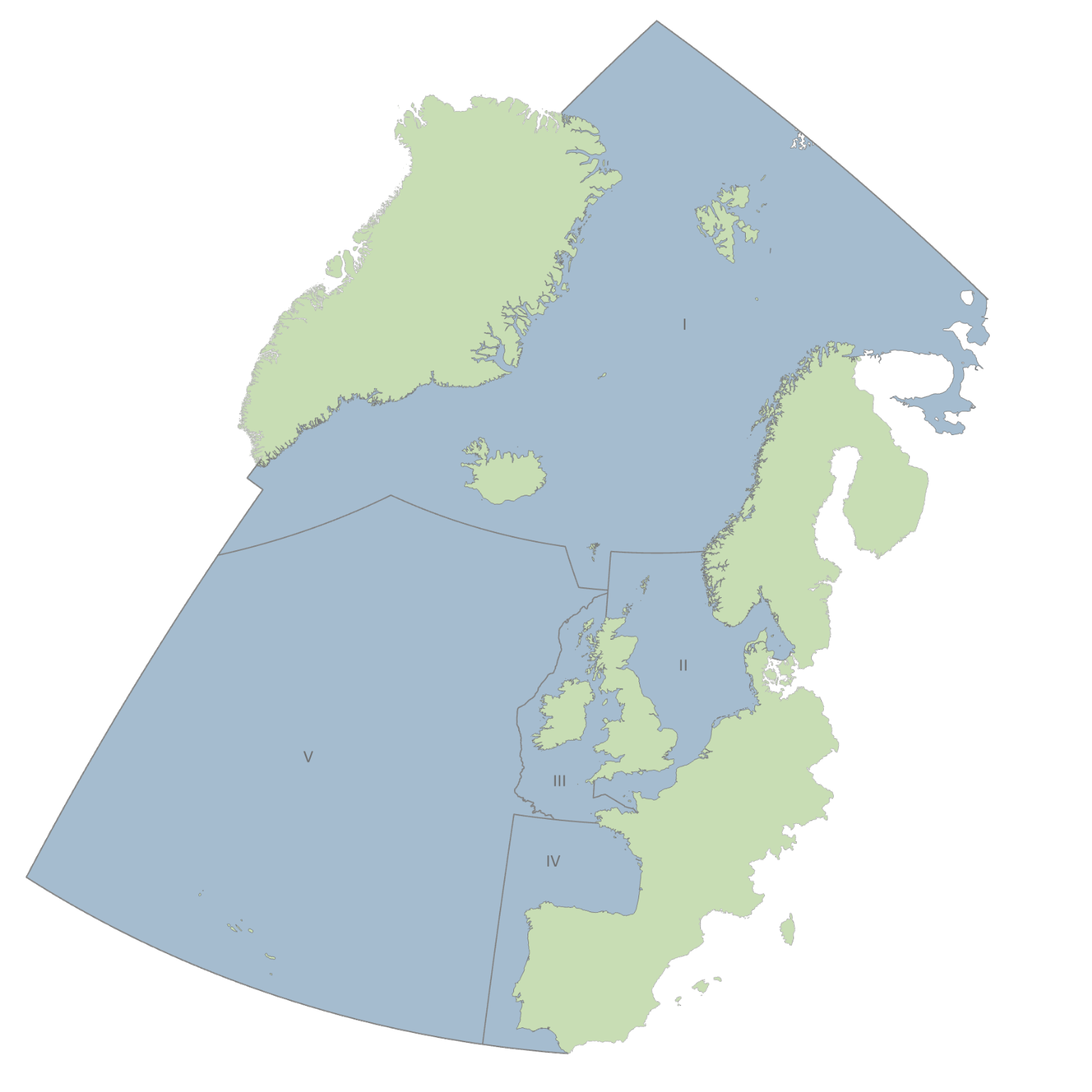
OSPAR Region: All Regions
Source of knowledge gap: QSR2023 - Composition and Spatial Distribution of Litter on the Seafloor
Examination of marine litter data between regional sea organisations
ID Number: BE02.05
Knowledge gap description: Improve understanding of how to compare seafloor litter assessments by investigating how regional sea organisations outside of OSPAR do so. This would require a further examination of data and methodology discussions between regional sea organisations.
Knowledge Gap Category:
5. cumulative effects & integration
Assessment Category:
Common indicator assessment
Relevant for MSFD Art 8:
D10C1
Implementation Status
OSPAR Region: All Regions
Source of knowledge gap: QSR2023 - Composition and Spatial Distribution of Litter on the Seafloor
Detecting trends for litter counts og litter weights
ID Number: BE02.06
Knowledge gap description: Litter Counts/Weights: As data for more years become available, future assessments should aim to detect trends for litter counts. A power analysis would be beneficial to indicate how big a trend can be detected. It would be beneficial if differences between how contracting parties count litter items and whether they do count could be sorted out. This would allow count data to be used for the three OSPAR regions rather than just a UK case study. To build onto this, future assessments should also start to look at litter weights; however, this will require improved data from surveys.
Knowledge Gap Category:
4. data coverage
Assessment Category:
Common indicator assessment
Relevant for MSFD Art 8:
D10C1
Implementation Status
OSPAR Region: All Regions
Source of knowledge gap: QSR2023 - Composition and Spatial Distribution of Litter on the Seafloor
Litter densities
ID Number: BE02.07
Knowledge gap description: How do sources relate to litter densities?
Knowledge Gap Category:
4. data coverage
Assessment Category:
Common indicator assessment
Relevant for MSFD Art 8:
D10C1
Implementation Status
OSPAR Region: All Regions
Source of knowledge gap: QSR2023 - Composition and Spatial Distribution of Litter on the Seafloor
Strengthen the role of OSPAR Common indicator on Plastic in Fulmar stomachs
ID Number: BE03.01
Knowledge gap description: Dedicated experimental laboratory research into evidence of harm to fulmars from specified levels and types of plastics, as a specific example of harm, is urgently needed to strengthen the role of the OSPAR Common Indicator.
Knowledge Gap Category:
1. indicator development
Assessment Category:
Common indicator assessment
Relevant for MSFD Art 8:
D10C3
Implementation Status
OSPAR Region: All Regions
Source of knowledge gap: QSR2023 - Plastic Particles in Fulmar Stomachs in the North Sea
Samplig of marine litter ingested by sea turtles
ID Number: BE08.01
Knowledge gap description: A larger coverage of sampling to record all stranded animals in all parts of OSPAR Regions IV, V, and Macaronesia. More specifically, data on dead animals (stranded or by-caught) from the coasts from mainland Portugal and Spain will be required for a complete assessment.
Knowledge Gap Category:
4. data coverage
Assessment Category:
Common indicator assessment
Relevant for MSFD Art 8:
D10C3
Implementation Status
OSPAR Region: All Regions
Source of knowledge gap: QSR2023 - Marine Litter ingested by Sea Turtles
Improve coordination of data on marine litter ingested by sea turtles
ID Number: BE08.02
Knowledge gap description: While a long-term management of sampling and data collection is possible by relying on both existing infrastructures and skills, coordination and optimisation will have to be better formalised to enable the use of other data than those provided only by scientific projects.
Knowledge Gap Category:
4. data coverage
Assessment Category:
Common indicator assessment
Relevant for MSFD Art 8:
D10C3
Implementation Status
OSPAR Region: All Regions
Source of knowledge gap: QSR2023 - Marine Litter ingested by Sea Turtles
Harm from microlitter on marine biota
ID Number: TBC
Knowledge gap description: There is still limited understanding of the harm caused by certain types of litter. More understanding is needed on the occurrence and abundance of (micro)litter in marine biota and associated harm. Research is needed on dose-response relationships in order to develop additional threshold values and targeted measures. This includes microplastics: occurrence and abundance of microliter (including microplastics) in marine biota and associated harm.
Knowledge Gap Category:
2. thresholds & references
Assessment Category:
Thematic assessment
Relevant for MSFD Art 8:
D10C3, D10C4
Implementation Status
OSPAR Region: All Regions
Source of knowledge gap: QSR2023 - Marine Litter Thematic Assessment
Marine litter sources
ID Number: TBC
Knowledge gap description: Source identification: sources, pathways and (transboundary) transport of marine litter
Knowledge Gap Category:
4. data coverage
Assessment Category:
Thematic assessment
Relevant for MSFD Art 8:
N/A
Implementation Status
OSPAR Region: All Regions
Source of knowledge gap: QSR2023 - Marine Litter Thematic Assessment
Marine litter impacting ecosystem services
ID Number: TBC
Knowledge gap description: Socio economic aspects: Further work on “impact on ecosystem services is needed.
Knowledge Gap Category:
4. data coverage
Assessment Category:
Thematic assessment
Relevant for MSFD Art 8:
N/A
Implementation Status
OSPAR Region: All Regions
Source of knowledge gap: QSR2023 - Marine Litter Thematic Assessment
Climate change effects on marine litter
ID Number: TBC
Knowledge gap description: Improve understanding of the effects of climate change (including extreme weather events) on marine litter and 2) improve understanding of measures to prepare and respond to these effects.
Knowledge Gap Category:
4. data coverage
Assessment Category:
Thematic assessment
Relevant for MSFD Art 8:
N/A
Implementation Status
OSPAR Region: All Regions
Source of knowledge gap: QSR2023 - Marine Litter Thematic Assessment
Harmful effects of litter
ID Number: TBC
Knowledge gap description: Harm: There is still limited understanding of the harm caused by certain types of litter. More understanding is needed on the bioavailability, occurrence and abundance of (micro)litter in marine biota and associated harm. Research is needed on dose-response relationships in order to develop additional threshold values and targeted measures. This includes microplastics: occurrence and abundance of microliter (including microplastics) in marine biota and associated harm.
Knowledge Gap Category:
2. thresholds & references
Assessment Category:
Other assessment
Relevant for MSFD Art 8:
D10C3, D10C4
Implementation Status
OSPAR Region: All Regions
Source of knowledge gap: QSR2023 - Impacts of marine litter on biota in the OSPAR Maritime Area
Effects of marine litter on populations and species
ID Number: TBC
Knowledge gap description: There is a considerable gap concerning the quantification of effects on the levels of populations and species.
Knowledge Gap Category:
4. data coverage
Assessment Category:
Other assessment
Relevant for MSFD Art 8:
D10C3, D10C4
Implementation Status
OSPAR Region: All Regions
Source of knowledge gap: QSR2023 - Impacts of marine litter on biota in the OSPAR Maritime Area
Cumulative effects from different pressures, including marine litter
ID Number: TBC
Knowledge gap description: Cumulative effects from different pressures, including on marine litter, have to be set into the context of other anthropogenic factors, driving the deterioration of marine ecosystems in the OSPAR region.
Knowledge Gap Category:
5. cumulative effects & integration
Assessment Category:
Other assessment
Relevant for MSFD Art 8:
N/A
Implementation Status
OSPAR Region: All Regions
Source of knowledge gap: QSR2023 - Impacts of marine litter on biota in the OSPAR Maritime Area
Plastic sources of particular concern
ID Number: TBC
Knowledge gap description: Refine the understanding of which specific sources/types of plastic waste are of particular concern for the marine environment (e.g. because of volume, harm or toxicity), and consider what action can be taken to tackle these.
Knowledge Gap Category:
1. indicator development
Assessment Category:
Other assessment
Relevant for MSFD Art 8:
N/A
Implementation Status
OSPAR Region: All Regions
Source of knowledge gap: QSR2023 - Feeder Report 2021 - Production and Consumption of Plastics
Microlitter in the marine environment
ID Number: TBC
Knowledge gap description: Sources, transport, fate and distribution of microlitter (including microplastics) in the marine environment.
Knowledge Gap Category:
4. data coverage
Assessment Category:
Pilot assessment
Relevant for MSFD Art 8:
D10C2
Implementation Status
OSPAR Region: All Regions
Source of knowledge gap: QSR2023 - Microplastics Candidate Indicator Pilot Assessment
Sediment types impacting retention and transport of microlitter
ID Number: TBC
Knowledge gap description: How do different types of sediment impact retention and transport of microlitter as well as implication for field sampling.
Knowledge Gap Category:
4. data coverage
Assessment Category:
Pilot assessment
Relevant for MSFD Art 8:
D10C2
Implementation Status
OSPAR Region: All Regions
Source of knowledge gap: QSR2023 - Microplastics Candidate Indicator Pilot Assessment
Fluxes of microlitter
ID Number: TBC
Knowledge gap description: Understanding fluxes of microlitter (including microplastics) between different environmental compartments (surface waters, water column, biota and seafloor sediment) and feasibility of mass balance approach.
Knowledge Gap Category:
4. data coverage
Assessment Category:
Pilot assessment
Relevant for MSFD Art 8:
D10C2
Implementation Status
OSPAR Region: All Regions
Source of knowledge gap: QSR2023 - Microplastics Candidate Indicator Pilot Assessment
Microlitter in biota and associated harm
ID Number: TBC
Knowledge gap description: Occurrence and abundance of microlitter (including microplastics) in marine biota and associated harm.
Knowledge Gap Category:
4. data coverage
Assessment Category:
Pilot assessment
Relevant for MSFD Art 8:
D10C3, D10C4
Implementation Status
OSPAR Region: All Regions
Source of knowledge gap: QSR2023 - Microplastics Candidate Indicator Pilot Assessment
Microplastics from offshore infrastructure
ID Number: TBC
Knowledge gap description: Source of microplastics from offshore infrastructures
Knowledge Gap Category:
4. data coverage
Assessment Category:
Pilot assessment
Relevant for MSFD Art 8:
D10C2
Implementation Status
OSPAR Region: All Regions
Source of knowledge gap: QSR2023 - Microplastics Candidate Indicator Pilot Assessment
Riverine data
ID Number: TBC
Knowledge gap description: Riverine data on river inputs
Knowledge Gap Category:
4. data coverage
Assessment Category:
Pilot assessment
Relevant for MSFD Art 8:
D10C2
Implementation Status
OSPAR Region: All Regions
Source of knowledge gap: QSR2023 - Microplastics Candidate Indicator Pilot Assessment
Role of estuaries in inputs of litter to the sea
ID Number: TBC
Knowledge gap description: Clarify the role of estuaries in transferring litter from rivers to the marine environment (likely a big sink instead of transfer).
Knowledge Gap Category:
4. data coverage
Assessment Category:
Other assessment
Relevant for MSFD Art 8:
D10C1, D10C2
Implementation Status
OSPAR Region: All Regions
Source of knowledge gap: QSR2023 - Synthesis of data on riverine macrolitter in OSPAR region II
Distribution of litter in rivers
ID Number: TBC
Knowledge gap description: Research is needed on the distribution of litter across different river compartments and to the fundamental behaviour to explain this distribution.
Knowledge Gap Category:
4. data coverage
Assessment Category:
Other assessment
Relevant for MSFD Art 8:
D10C1, D10C2
Implementation Status
OSPAR Region: All Regions
Source of knowledge gap: QSR2023 - Synthesis of data on riverine macrolitter in OSPAR region II
Uncertainties in modelled estimates of impulsive sounds for North Sea harbour porpoise
ID Number: BE04.04
Knowledge gap description: Despite best available data for North Sea harbour porpoise being used, there are substantial uncertainties in these modelled estimates which are even greater for other species, which translate into uncertainties in the assessment.
Knowledge Gap Category:
4. data coverage
Assessment Category:
Common indicator assessment
Relevant for MSFD Art 8:
D11C1
Implementation Status
OSPAR Region: All Regions
Source of knowledge gap: QSR2023 - Risk of Impact from Anthropogenic Impulsive Sound
More precise assesment of risk impact from impulsive noise
ID Number: BE04.06
Knowledge gap description: More specific data on the responses of selected species to noise sources in the registry (e.g., dose-response curves for each source/receptor combination) may allow for a more precise assessment of the risk of impact.
Topics:
Knowledge Gap Category:
4. data coverage
Assessment Category:
Common indicator assessment
Relevant for MSFD Art 8:
D11C1
Implementation Status
OSPAR Region: All Regions
Source of knowledge gap: QSR2023 - Risk of Impact from Anthropogenic Impulsive Sound