OSPAR Science Agenda Knowledge Gap Portal
Welcome to the OSPAR Science Agenda knowledge gap portal. The page showcases important scientific questions and evidence needs identified by OSPAR to help protect and sustainably manage the North-East Atlantic. Use the filters and search options below to explore knowledge gaps by topic, category, region, and status, or browse visually to discover areas where new research, data, or collaborations are needed. The aim is to make it easy for anyone - scientists, funders, and policy makers to understand the current priorities, access key details, and get involved in helping to close these important gaps for a healthier ocean future.
Showing 376 - 400 of 539 items
Impacts of noise on marine mammals, fish and invertebrate species
ID Number: BE04.07
Knowledge gap description: This assessment of the indicator covers only harbour porpoise. Future assessments may encompass further marine mammal species, and fish or invertebrate species.
Knowledge Gap Category:
4. data coverage
Assessment Category:
Common indicator assessment
Relevant for MSFD Art 8:
D11C1
Implementation Status
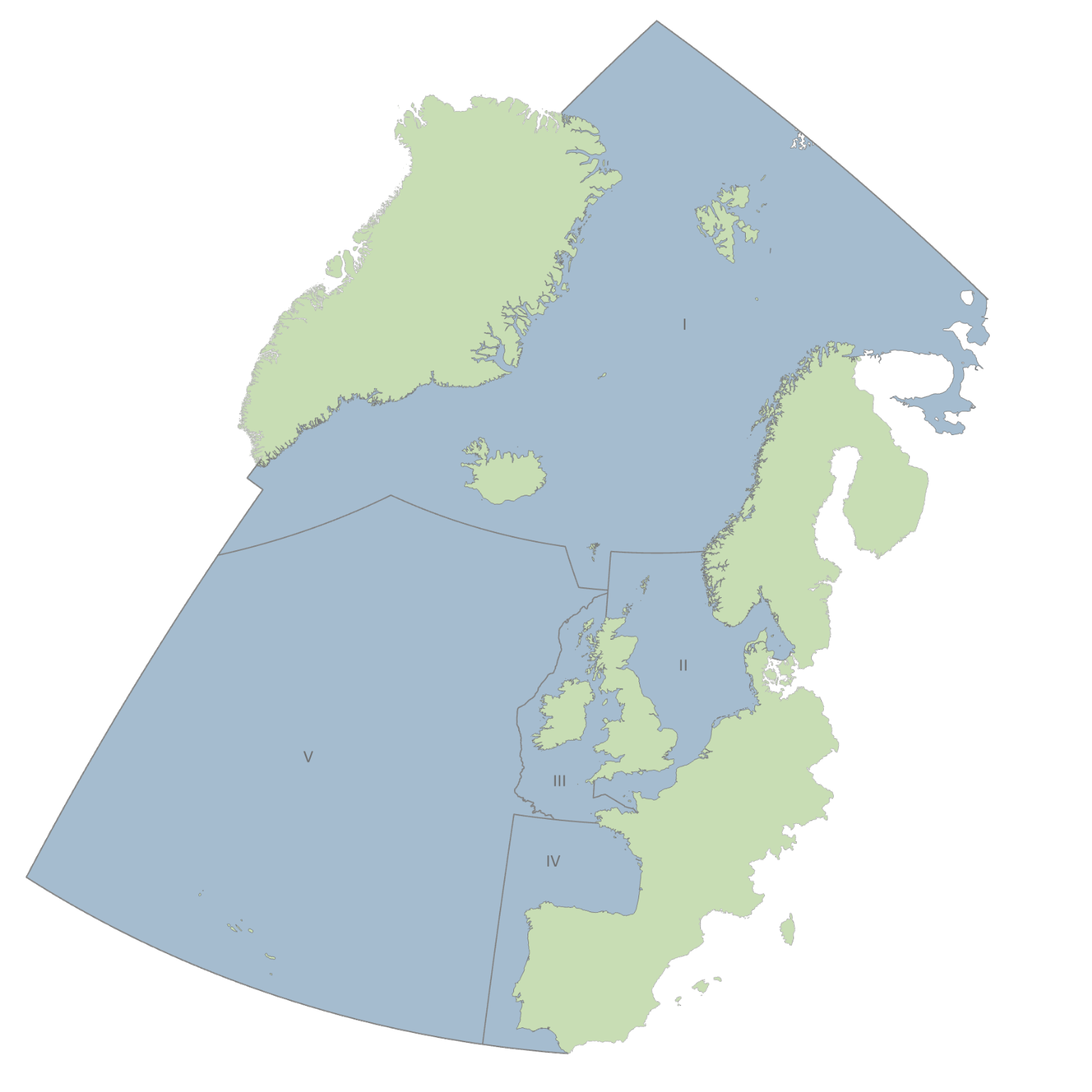
OSPAR Region: All Regions
Source of knowledge gap: QSR2023 - Risk of Impact from Anthropogenic Impulsive Sound
Effects of continuous noise on marine life
ID Number: BE09.01
Knowledge gap description: The major knowledge gaps for continuous noise concern the effects of continuous noise on marine life, both individual animals and the whole population. The choice of species to assess in the North Sea needs to be made based on objective criteria.
Topics:
Knowledge Gap Category:
1. indicator development
Assessment Category:
Pilot assessment
Relevant for MSFD Art 8:
D11C2
Implementation Status
OSPAR Region: All Regions
Source of knowledge gap: QSR2023 - Pilot Assessment of Ambient Noise
Improving methods for monitoring and assessing continuous noise
ID Number: BE09.03
Knowledge gap description: The method for monitoring and assessment can be improved by including more sources of continuous noise with a proper description of their source strength.
Topics:
Knowledge Gap Category:
3. assessment areas
Assessment Category:
Pilot assessment
Relevant for MSFD Art 8:
D11C2
Implementation Status
OSPAR Region: All Regions
Source of knowledge gap: QSR2023 - Pilot Assessment of Ambient Noise
Assessing effects of continuous noise in shallow waters
ID Number: BE09.04
Knowledge gap description: The models used for this assessment are not suited to very shallow water (less than 10 metre water depth) and intertidal areas. More knowledge on the pressure and effects of continuous noise in shallow waters is needed.
Topics:
Knowledge Gap Category:
4. data coverage
Assessment Category:
Pilot assessment
Relevant for MSFD Art 8:
D11C2
Implementation Status
OSPAR Region: All Regions
Source of knowledge gap: QSR2023 - Pilot Assessment of Ambient Noise
Cumulative impact of noise on the ecosystem
ID Number: BE09.06
Knowledge gap description: There is lack of knowledge concerning the cumulative impact on the ecosystem of noise from human activities.
Topics:
Knowledge Gap Category:
7. emerging issues of human activities
Assessment Category:
Pilot assessment
Relevant for MSFD Art 8:
D11C1, D11C2
Implementation Status
OSPAR Region: All Regions
Source of knowledge gap: QSR2023 - Pilot Assessment of Ambient Noise
Threshold values for underwater noise
ID Number: BE04.01
Knowledge gap description: It remains uncertain what the effect from impulsive sound means at the population or ecosystem scale. As yet there is no agreed definition of good environmental status for underwater noise. There are not yet agreed threshold values for underwater noise.
Topics:
Knowledge Gap Category:
2. thresholds & references
Assessment Category:
Thematic assessment
Relevant for MSFD Art 8:
D11C1
Implementation Status
OSPAR Region: All Regions
Source of knowledge gap: QSR2023 - Underwater Noise Thematic Assessment
Long-term trends in noise level
ID Number: BE04.02
Knowledge gap description: For both impulsive and continuous noise, it is not yet possible to establish any definitive long-term trends in noise levels, including since the Quality Status Report 2010.
Topics:
Knowledge Gap Category:
6. effectiveness of measures
Assessment Category:
Thematic assessment
Relevant for MSFD Art 8:
TBD
Implementation Status
OSPAR Region: All Regions
Source of knowledge gap: QSR2023 - Underwater Noise Thematic Assessment
Assessment methodology on sources of underwater noise
ID Number: BE04.04
Knowledge gap description: The assessment methodology does not include sources other than shipping and fishing vessels with automatic identification or vessel monitoring systems.
Knowledge Gap Category:
4. data coverage
Assessment Category:
Thematic assessment
Relevant for MSFD Art 8:
TBD
Implementation Status
OSPAR Region: All Regions
Source of knowledge gap: QSR2023 - Underwater Noise Thematic Assessment
Continuous noise measurment and modelling
ID Number: BE04.05
Knowledge gap description: Both field measurements and the acoustic modelling for pressure from continuous noise could be improved.
Topics:
Knowledge Gap Category:
4. data coverage
Assessment Category:
Thematic assessment
Relevant for MSFD Art 8:
TBD
Implementation Status
OSPAR Region: All Regions
Source of knowledge gap: QSR2023 - Underwater Noise Thematic Assessment
Actual sound level from impulsive noise
ID Number: BE04.07
Knowledge gap description: The OSPAR Common Indicator for the Pressure from Impulsive Noise does not at this stage take account of actual sound level, as this information is only available for some activities.
Topics:
Knowledge Gap Category:
1. indicator development
Assessment Category:
Thematic assessment
Relevant for MSFD Art 8:
TBD
Implementation Status
OSPAR Region: All Regions
Source of knowledge gap: QSR2023 - Underwater Noise Thematic Assessment
Noise from tidal energy
ID Number: BE04.11
Knowledge gap description: The noise effects of offshore energy sources other than wind power, such as tidal energy, are not fully understood due to a lack of field studies to date and the challenges of monitoring in high tidal flow environments.
Knowledge Gap Category:
7. emerging issues of human activities
Assessment Category:
Thematic assessment
Relevant for MSFD Art 8:
TBD
Implementation Status
OSPAR Region: All Regions
Source of knowledge gap: QSR2023 - Underwater Noise Thematic Assessment
Non airgun geophysical surveys
ID Number: BE04.13
Knowledge gap description: More information needed on non airgun geophysical surveys sources with regard to their source characteristics and effects on marine life
Knowledge Gap Category:
1. indicator development
Assessment Category:
Thematic assessment
Relevant for MSFD Art 8:
N/A
Implementation Status
OSPAR Region: All Regions
Source of knowledge gap: QSR2023 - Underwater Noise Thematic Assessment
Sources of underwater noise
ID Number: BE04.14
Knowledge gap description: More information needed on OSPAR RAP-Noise Action 7 on other sources with regard to their source characteristics and effects on marine life
Knowledge Gap Category:
1. indicator development
Assessment Category:
Thematic assessment
Relevant for MSFD Art 8:
D11C1, D11C2
Implementation Status
OSPAR Region: All Regions
Source of knowledge gap: QSR2023 - Underwater Noise Thematic Assessment
Methods for analysing cumulative impacts
ID Number: TBC
Knowledge gap description: Knowledge gaps around analysis methods for spatial cumulative impacts in the OSPAR Maritime Area
Topics:
Knowledge Gap Category:
5. cumulative effects & integration
Assessment Category:
Thematic assessment
Relevant for MSFD Art 8:
N/A
Implementation Status
OSPAR Region: All Regions
Source of knowledge gap: QSR2023 - Human Activities Thematic Assessment
Climate change affecting human activities
ID Number: TBC
Knowledge gap description: Knowledge gaps around how climate change affects human activities in the OSPAR Maritime Area, including assessing current effects and adaptations.
Knowledge Gap Category:
7. emerging issues of human activities
Assessment Category:
Thematic assessment
Relevant for MSFD Art 8:
N/A
Implementation Status
OSPAR Region: All Regions
Source of knowledge gap: QSR2023 - Human Activities Thematic Assessment
Understanding pressures from deep seabed mining
ID Number: TBC
Knowledge gap description: Deep seabed mining: Further research and knowledge needed. There are substantial gaps in understanding of how pressures might be managed in exploitation technology for deep seabed mining, including mitigation or restorative techniques. Consideration is needed regarding how to address seabed mining knowledge gaps and uncertainties. There is a need for consideration of the precautionary principle and elaborated Environmental Impact Assessments.
Topics:
Knowledge Gap Category:
7. emerging issues of human activities
Assessment Category:
Thematic assessment
Relevant for MSFD Art 8:
N/A
Implementation Status
OSPAR Region: All Regions
Source of knowledge gap: QSR2023 - Human Activities Thematic Assessment
Measures to mitigate impacts from aquaculture
ID Number: TBC
Knowledge gap description: Aquaculture: Knowledge gaps remain in measures to mitigate environmental impacts, including modelling approaches. More understanding is needed of: pressures from open ocean installations; measures to reduce the impact of escapes; the impact of substances such as therapeutants; and various aspects of shellfish aquaculture. More understanding/management of pressures (e.g., effluents containing dissolved nutrients) is also needed for any expansion of recirculating aquaculture systems. Further OSPAR guidance may be needed if gaps in guidance are identified.
Knowledge Gap Category:
7. emerging issues of human activities
Assessment Category:
Thematic assessment
Relevant for MSFD Art 8:
N/A
Implementation Status
OSPAR Region: All Regions
Source of knowledge gap: QSR2023 - Human Activities Thematic Assessment
Understanding impacts of future growth of aquaculture
ID Number: TBC
Knowledge gap description: Aquaculture: increase understanding of potential impacts of future growth in aquaculture, including risks of a spread of non-indigenous species or parasites, or of contamination of the marine environment with hazardous substances, therapeutants, or nutrients. Engage with ICES on significant knowledge gaps. Include implications of new/expanded forms of aquaculture including offshore aquaculture, growth in cultivation of new or currently minor species (such as seaweeds), and recirculating aquaculture systems.
Knowledge Gap Category:
7. emerging issues of human activities
Assessment Category:
Thematic assessment
Relevant for MSFD Art 8:
D2C1, D2C2, D2C3, D8C1, D5C1
Implementation Status
OSPAR Region: All Regions
Source of knowledge gap: QSR2023 - Human Activities Thematic Assessment
Reporting from carbon storage projects
ID Number: TBC
Knowledge gap description: Carbon capture and storage: need for improved and refined reporting to OSPAR on environmental monitoring from carbon dioxide storage projects.
Topics:
Knowledge Gap Category:
7. emerging issues of human activities
Assessment Category:
Thematic assessment
Relevant for MSFD Art 8:
N/A
Implementation Status
OSPAR Region: All Regions
Source of knowledge gap: QSR2023 - Human Activities Thematic Assessment
Future trends in fish stocks
ID Number: TBC
Knowledge gap description: Fisheries: Improve understanding of future trends, including impacts of climate change on fish stocks and the ecosystem, and instabilities caused by tensions over fisheries management or new fisheries.
Knowledge Gap Category:
7. emerging issues of human activities
Assessment Category:
Thematic assessment
Relevant for MSFD Art 8:
N/A
Implementation Status
OSPAR Region: All Regions
Source of knowledge gap: QSR2023 - Human Activities Thematic Assessment
Understand how MSY influences other ecosystem components
ID Number: TBC
Knowledge gap description: Fisheries: OSPAR should improve its understanding of how fishing at maximum sustainable yield (MSY) influences other components of the ecosystem and ecosystem health overall, and its understanding of future trends.
Topics:
Knowledge Gap Category:
7. emerging issues of human activities
Assessment Category:
Thematic assessment
Relevant for MSFD Art 8:
N/A
Implementation Status
OSPAR Region: All Regions
Source of knowledge gap: QSR2023 - Human Activities Thematic Assessment
Harmful fishing activities that need particular focus
ID Number: TBC
Knowledge gap description: Fisheries: OSPAR will continue to identify which fishing activities need particular focus from fisheries management authorities as posing a threat to species, habitats, biodiversity and ecosystems, including pressures affecting sea floor integrity, and litter from fishing activities.
Knowledge Gap Category:
7. emerging issues of human activities
Assessment Category:
Thematic assessment
Relevant for MSFD Art 8:
N/A
Implementation Status
OSPAR Region: All Regions
Source of knowledge gap: QSR2023 - Human Activities Thematic Assessment
Implications from geoengineering
ID Number: TBC
Knowledge gap description: Geoengineering: the implications of most geoengineering techniques (e.g., carbon dioxide removal, ocean fertilisation, solar radiation management) are largely unknown with respect to feasibility and their impacts require further research.
Topics:
Knowledge Gap Category:
7. emerging issues of human activities
Assessment Category:
Thematic assessment
Relevant for MSFD Art 8:
N/A
Implementation Status
OSPAR Region: All Regions
Source of knowledge gap: QSR2023 - Human Activities Thematic Assessment
BAT for mine tailings
ID Number: TBC
Knowledge gap description: Sea disposal of mine tailings: Work is being done to develop best available technology (BAT) for sea tailings disposal and to improve understanding of this activity.
Topics:
Knowledge Gap Category:
7. emerging issues of human activities
Assessment Category:
Thematic assessment
Relevant for MSFD Art 8:
N/A
Implementation Status
OSPAR Region: All Regions
Source of knowledge gap: QSR2023 - Human Activities Thematic Assessment
Saline surface monitoring
ID Number: TBC
Knowledge gap description: Implementation of the Nitrates Directive: Strengthened water monitoring, especially of saline surface waters, would improve the comparability of the data on nitrogen pollution and provide a more detailed picture of the overall quality of the EU waters.
Topics:
Knowledge Gap Category:
4. data coverage
Assessment Category:
Other assessment
Relevant for MSFD Art 8:
D5C1
Implementation Status
OSPAR Region: All Regions
Source of knowledge gap: QSR2023 - Feeder Report 2021 - Agriculture