
OSPAR Science Agenda Knowledge Gap Portal
Welcome to the OSPAR Science Agenda knowledge gap portal. The page showcases important scientific questions and evidence needs identified by OSPAR to help protect and sustainably manage the North-East Atlantic. Use the filters and search options below to explore knowledge gaps by topic, category, region, and status, or browse visually to discover areas where new research, data, or collaborations are needed. The aim is to make it easy for anyone - scientists, funders, and policy makers to understand the current priorities, access key details, and get involved in helping to close these important gaps for a healthier ocean future.
Showing 1 - 25 of 64 items
Ecosystem components not regularly monitored but important food resources
ID Number: BB27.02
Knowledge gap description: Consider how to deal with ecosystem components that were not regularly monitored but important food resources in the food web. Data lacking for: biomass data on organisms < 1mm (e.g., bacteria, meiofauna); essential food resources for benthic species and smaller demersal fish species.
Knowledge Gap Category:
4. data coverage
Assessment Category:
Pilot assessment
Relevant for MSFD Art 8:
D4C1, D4C2, D4C3, D4C4
Implementation Status
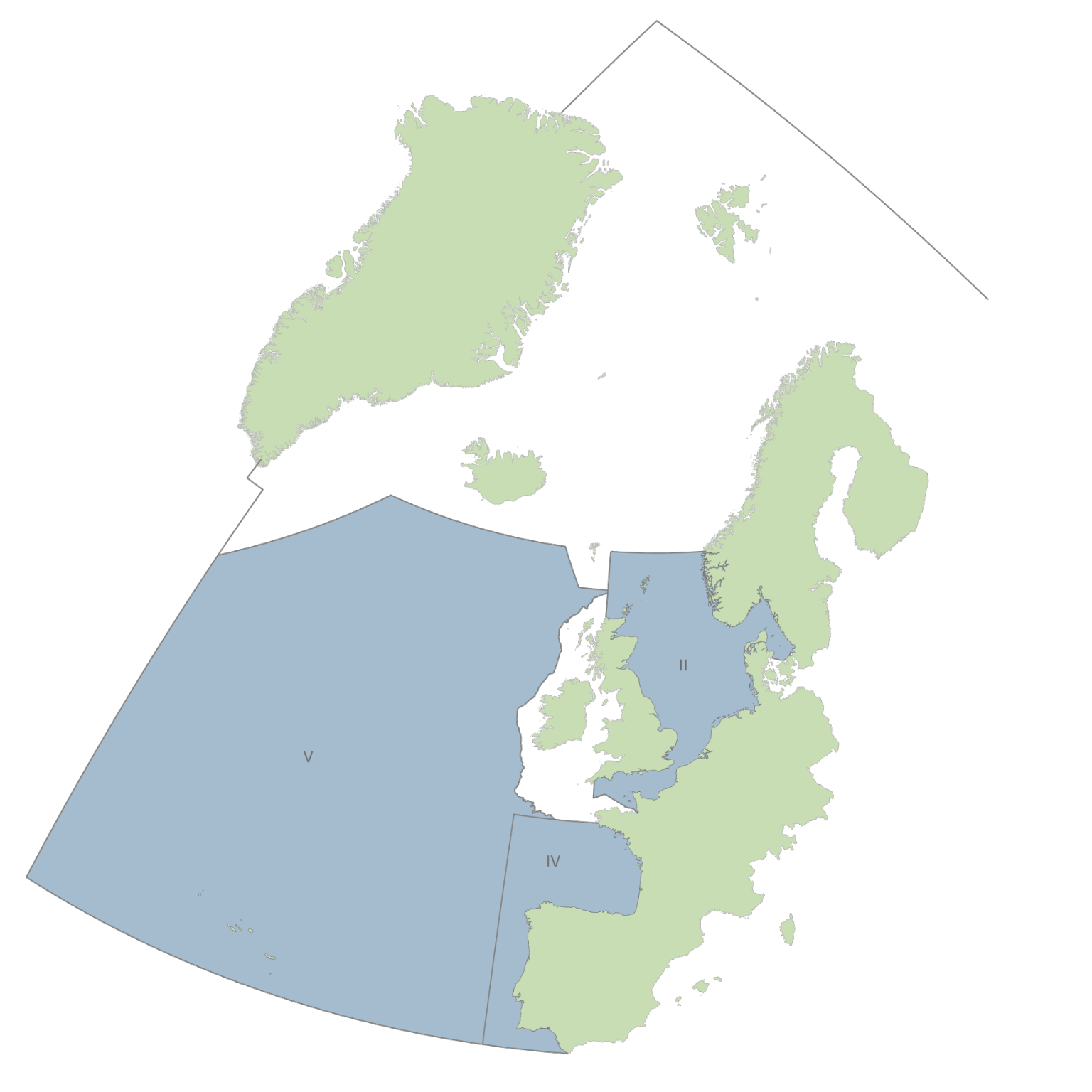
OSPAR Region: Greater North Sea, Bay of Biscay and Iberian Coast, Wider Atlantic
Source of knowledge gap: QSR2023 - Pilot Assessment of Ecological Network Analysis Indices
Stomach contents data to classify taxa size classes into feeding guilds
ID Number: TBC
Knowledge gap description: Taxa size classes were observed in the surveys but are not yet classified into feeding guilds because of insufficient stomach contents data.
Knowledge Gap Category:
4. data coverage
Assessment Category:
Pilot assessment
Relevant for MSFD Art 8:
D4C1, D4C2, D4C3, D4C4
Implementation Status
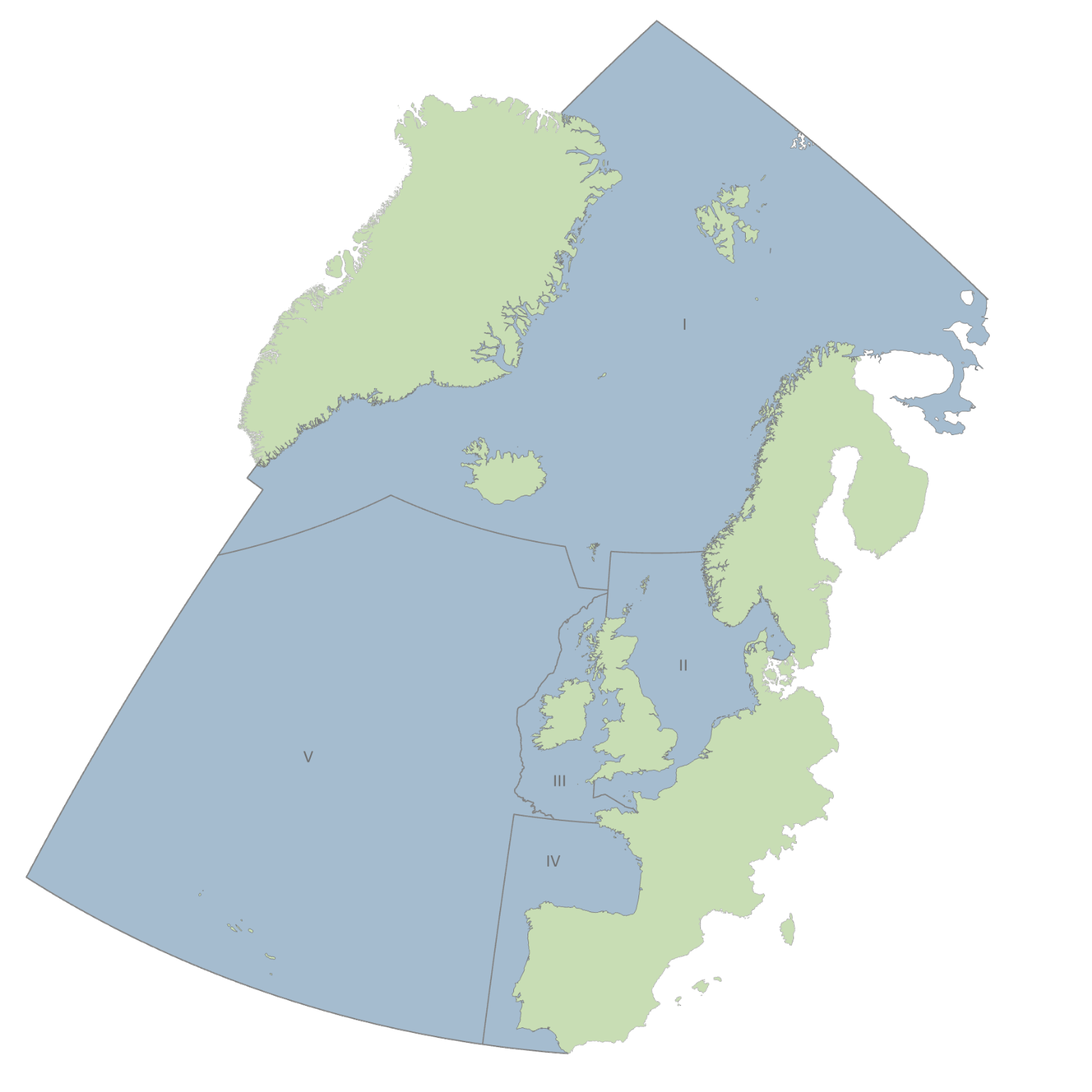
OSPAR Region: All Regions
Source of knowledge gap: QSR2023 - Pilot Assessment of Feeding Guilds
Feeding guild responses to environmental and anthropogenic pressures.
ID Number: TBC
Knowledge gap description: Feeding guild responses to environmental and anthropogenic pressures were not considered.
Knowledge Gap Category:
1. indicator development
Assessment Category:
Pilot assessment
Relevant for MSFD Art 8:
D4C1, D4C2, D4C3, D4C4
Implementation Status
OSPAR Region: All Regions
Source of knowledge gap: QSR2023 - Pilot Assessment of Feeding Guilds
Knock-on effects of change in feeding guilds across assemblages
ID Number: TBC
Knowledge gap description: The knock-on effects of change in feeding guilds across assemblages (plankton, benthos, top predators) requires further research.
Knowledge Gap Category:
5. cumulative effects & integration
Assessment Category:
Pilot assessment
Relevant for MSFD Art 8:
D4C1, D4C2, D4C3, D4C4
Implementation Status
OSPAR Region: All Regions
Source of knowledge gap: QSR2023 - Pilot Assessment of Feeding Guilds
Data availability for determining trophic guilds
ID Number: TBC
Knowledge gap description: Where diet data are not yet available (e.g. Portugal), feeding guilds have been inferred based on data from adjacent areas.
Knowledge Gap Category:
4. data coverage
Assessment Category:
Pilot assessment
Relevant for MSFD Art 8:
D4C1, D4C2, D4C3, D4C4
Implementation Status
OSPAR Region: All Regions
Source of knowledge gap: QSR2023 - Pilot Assessment of Feeding Guilds
Prey sampling methods
ID Number: TBC
Knowledge gap description: Morphological analysis of stomach contents may under-sample certain prey, e.g. those comprised of only soft tissues.
Knowledge Gap Category:
4. data coverage
Assessment Category:
Pilot assessment
Relevant for MSFD Art 8:
D4C1, D4C2, D4C3, D4C4
Implementation Status
OSPAR Region: All Regions
Source of knowledge gap: QSR2023 - Pilot Assessment of Feeding Guilds
Determination of predator-prey mass ratios
ID Number: TBC
Knowledge gap description: Predator-prey mass ratios (PPMRs) are based on prey weights from stomach contents and may thus be affected by varying levels and rates of digestion.
Knowledge Gap Category:
2. thresholds & references
Assessment Category:
Pilot assessment
Relevant for MSFD Art 8:
D4C1, D4C2, D4C3, D4C4
Implementation Status
OSPAR Region: All Regions
Source of knowledge gap: QSR2023 - Pilot Assessment of Feeding Guilds
Guilds classification for top predators and organisms lower in the food web.
ID Number: TBC
Knowledge gap description: Top-predators (e.g. seabirds, cetaceans) and organisms lower in the food web (e.g. benthos, plankton) have not yet been classified into guilds but diet databases for such taxa do exist and could be included in future.
Knowledge Gap Category:
4. data coverage
Assessment Category:
Pilot assessment
Relevant for MSFD Art 8:
D4C1, D4C2, D4C3, D4C4
Implementation Status
OSPAR Region: All Regions
Source of knowledge gap: QSR2023 - Pilot Assessment of Feeding Guilds
Sampling of Pelagic fish species and juvenile fish
ID Number: TBC
Knowledge gap description: Pelagic fish species and juvenile fish are under-sampled using trawls. Acoustic methods and catchability corrections can be applied to address some of these issues, but have not yet been applied at the scale of the OSPAR area.
Knowledge Gap Category:
4. data coverage
Assessment Category:
Pilot assessment
Relevant for MSFD Art 8:
D4C1, D4C2, D4C3, D4C4
Implementation Status
OSPAR Region: All Regions
Source of knowledge gap: QSR2023 - Pilot Assessment of Feeding Guilds
Data on higher trophic level for assessment of the Feeding Guilds candidate indicator
ID Number: TBC
Knowledge gap description: Because of data availability, the Feeding Guilds (FW7) candidate indicator includes only pelagic and demersal fish and elasmobranchs but will include data on higher and lower trophic levels in the future.
Knowledge Gap Category:
4. data coverage
Assessment Category:
Thematic assessment
Relevant for MSFD Art 8:
D4C3
Implementation Status
OSPAR Region: All Regions
Source of knowledge gap: QSR2023 - Food webs Thematic Assessment
Assessment of fish-related indicators for different habitat types.
ID Number: TBC
Knowledge gap description: Bay of Biscay and Iberian Coast (OSPAR Region IV): The status of fish-related indicators was unknown for all habitat types assessed.
Knowledge Gap Category:
1. indicator development
Assessment Category:
Thematic assessment
Relevant for MSFD Art 8:
D4C1, D4C2, D4C3, D4C4
Implementation Status
OSPAR Region: All Regions
Source of knowledge gap: QSR2023 - Food webs Thematic Assessment
Implications of the absence of a trend in the change of fish community indicators
ID Number: TBC
Knowledge gap description: Bay of Biscay and Iberian Coast (OSPAR Region IV): Shelf ecosystems / Demersal fish community assessment - There was no clear pattern of change in fish community indicators of size-structure and of species composition in the Bay of Biscay and Iberian Coast. This result has unclear implications.
Knowledge Gap Category:
5. cumulative effects & integration
Assessment Category:
Thematic assessment
Relevant for MSFD Art 8:
D4C1, D4C2, D4C3, D4C4
Implementation Status
OSPAR Region: All Regions
Source of knowledge gap: QSR2023 - Food webs Thematic Assessment
Implications of the absence of long term changes in the Wider Atlantic for the size-structure and community composition indicators
ID Number: TBC
Knowledge gap description: Wider Atlantic (OSPAR Region V): Shelf ecosystems Demersal fish community assessment - No long-term changes were evident in the Wider Atlantic for the size-structure and community composition indicators and the implications of this are unknown.
Knowledge Gap Category:
5. cumulative effects & integration
Assessment Category:
Thematic assessment
Relevant for MSFD Art 8:
D4C1, D4C2, D4C3, D4C4
Implementation Status
OSPAR Region: All Regions
Source of knowledge gap: QSR2023 - Food webs Thematic Assessment
Historical data on large fish
ID Number: BB07.01
Knowledge gap description: There is a lack of historical data (for seas other than the North Sea and Firth of Clyde) or appropriate models to inform large fish index (LFI) threshold value setting.
Topics:
Knowledge Gap Category:
2. thresholds & references
Assessment Category:
Common indicator assessment
Relevant for MSFD Art 8:
D4C3
Implementation Status
OSPAR Region: All Regions
Source of knowledge gap: QSR2023 - Proportion of Large Fish (Large Fish Index)
Effects of warming sea temperature on fish
ID Number: BB07.02
Knowledge gap description: The effects of warming sea temperature on large fish index (LFI) threshold values and on demersal fish size composition recovery rates are not known fully.
Knowledge Gap Category:
7. emerging issues of human activities
Assessment Category:
Common indicator assessment
Relevant for MSFD Art 8:
D4C3
Implementation Status
OSPAR Region: All Regions
Source of knowledge gap: QSR2023 - Proportion of Large Fish (Large Fish Index)
Relationship between human pressures and demersal fish community
ID Number: BB07.03
Knowledge gap description: A full understanding of relationships between all human pressures and their impact on the full demersal fish community (not just the commercially fished stocks) is needed.
Knowledge Gap Category:
5. cumulative effects & integration
Assessment Category:
Common indicator assessment
Relevant for MSFD Art 8:
D4C3
Implementation Status
OSPAR Region: All Regions
Source of knowledge gap: QSR2023 - Proportion of Large Fish (Large Fish Index)
Assessment units for large fish in OSPAR Regions
ID Number: BB07.04
Knowledge gap description: Explore using assessment units which split the OSPAR Regions into smaller areas and the inclusion of fishing pressure metrics for future development of the indicator.
Topics:
Knowledge Gap Category:
1. indicator development
Assessment Category:
Common indicator assessment
Relevant for MSFD Art 8:
D4C3
Implementation Status
OSPAR Region: All Regions
Source of knowledge gap: QSR2023 - Proportion of Large Fish (Large Fish Index)
Historic data or models for recovery targets for sensitive fish species
ID Number: BB06.01
Knowledge gap description: Historic data or suitable models for ecosystem recovery to support the setting of absolute recovery targets for sensitive fish species are not available.
Topics:
Knowledge Gap Category:
1. indicator development
Assessment Category:
Common indicator assessment
Relevant for MSFD Art 8:
D1C2
Implementation Status
OSPAR Region: All Regions
Source of knowledge gap: QSR2023 - Recovery of Sensitive Fish Species
Population impact of warming seas on sensitive fish species
ID Number: BB06.02
Knowledge gap description: How warming seas may impact population recovery among sensitive fish species is not known.
Knowledge Gap Category:
7. emerging issues of human activities
Assessment Category:
Common indicator assessment
Relevant for MSFD Art 8:
D1C2
Implementation Status
OSPAR Region: All Regions
Source of knowledge gap: QSR2023 - Recovery of Sensitive Fish Species
Evaluation of appropriate baseline values for the indicator
ID Number: BB15.01
Knowledge gap description: More work needed to evaluate appropriate baselines and assessment values for this indicator. Identify assessment based on historic data where available complemented through modelling.
Topics:
Knowledge Gap Category:
2. thresholds & references
Assessment Category:
Common indicator assessment
Relevant for MSFD Art 8:
D4C3
Implementation Status
OSPAR Region: All Regions
Source of knowledge gap: QSR2023 - Size Composition in Fish Communities
Reference levels for pristine or sustainably exploited state
ID Number: BB19.02
Knowledge gap description: Reference levels representing a pristine or sustainably exploited state and that would allow a formal assessment, are not yet available.
Topics:
Knowledge Gap Category:
2. thresholds & references
Assessment Category:
Pilot assessment
Relevant for MSFD Art 8:
N/A
Implementation Status
OSPAR Region: All Regions
Source of knowledge gap: QSR2023 - Pilot Assessment of Mean Maximum Length of Fish
Gaps in status of T&D fish species in OSPAR MPA network
ID Number: BB33.01
Knowledge gap description: There are gaps in the OSPAR Marine Protected Area (MPA) network for almost all of the fish species on the OSPAR List of Threatened and/or Declining Species and Habitats. Many of the fish (listed by OSPAR as threatened and/or declining) are of unknown status.
Knowledge Gap Category:
4. data coverage
Assessment Category:
Thematic assessment
Relevant for MSFD Art 8:
N/A
Implementation Status
OSPAR Region: All Regions
Source of knowledge gap: QSR2023 - Fish Thematic Assessment
Integrating concepts of ecosystem function into fisheries management regulation
ID Number: BB33.02
Knowledge gap description: For by-catch, there is need to integrate concepts of ecosystem function into fisheries management regulation (e.g., trophic cascades) and how management regimes consider the impact of fisheries on the pelagic habitat and food webs
Knowledge Gap Category:
5. cumulative effects & integration
Assessment Category:
Thematic assessment
Relevant for MSFD Art 8:
D1C1
Implementation Status
OSPAR Region: All Regions
Source of knowledge gap: QSR2023 - Fish Thematic Assessment
Use of relevant OSPAR studies on by-catch
ID Number: BB33.03
Knowledge gap description: In working with relevant authorities and stakeholders to reduce or eliminate by-catch, OSPAR should consider relevant by-catch studies conducted in the framework of OSPAR, the European Commission and ICES and their conclusions to come.
Knowledge Gap Category:
4. data coverage
Assessment Category:
Thematic assessment
Relevant for MSFD Art 8:
D1C1
Implementation Status
OSPAR Region: All Regions
Source of knowledge gap: QSR2023 - Fish Thematic Assessment
Management effectiveness of MPAs related to fish communities
ID Number: BB33.04
Knowledge gap description: Improve understanding of management effectiveness of Marine Protected Areas (MPAs)s as related to fish communities.
Knowledge Gap Category:
4. data coverage
Assessment Category:
Thematic assessment
Relevant for MSFD Art 8:
N/A
Implementation Status
OSPAR Region: All Regions
Source of knowledge gap: QSR2023 - Fish Thematic Assessment