
OSPAR Science Agenda Knowledge Gap Portal
Welcome to the OSPAR Science Agenda knowledge gap portal. The page showcases important scientific questions and evidence needs identified by OSPAR to help protect and sustainably manage the North-East Atlantic. Use the filters and search options below to explore knowledge gaps by topic, category, region, and status, or browse visually to discover areas where new research, data, or collaborations are needed. The aim is to make it easy for anyone - scientists, funders, and policy makers to understand the current priorities, access key details, and get involved in helping to close these important gaps for a healthier ocean future.
Showing 426 - 450 of 539 items
Environmental impacts of scrubbers and drift modell to see where the pollution goes
ID Number: TBC
Knowledge gap description: Environmental impacts of ECGS needs further analysis from more ships of ecotoxicology and modelling to assess environmental impacts of scrubbers and also needs a drift modell to see where the pollution goes.
Topics:
Knowledge Gap Category:
4. data coverage
Assessment Category:
Other assessment
Relevant for MSFD Art 8:
N/A
Implementation Status
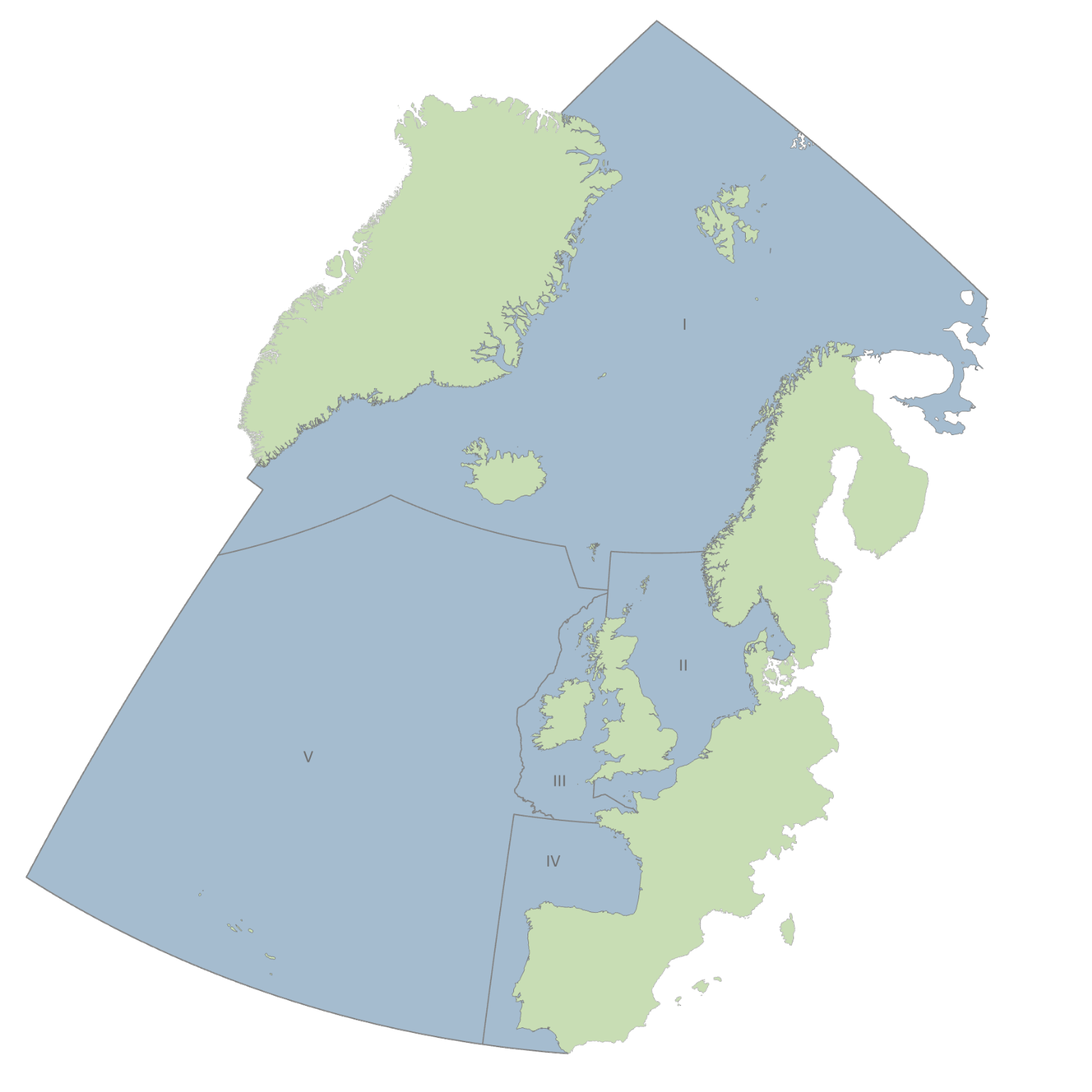
OSPAR Region: All Regions
Source of knowledge gap: QSR2023 - Modelling of discharges to the marine environment from open circuit flue gas scrubbers on ships in the OSPAR Maritime Area
Improved fuel characterization standards
ID Number: TBC
Knowledge gap description: In addition to increased monitoring efforts for contaminants, there is a need for improved fuel characterization standards.
Topics:
Knowledge Gap Category:
2. thresholds & references
Assessment Category:
Other assessment
Relevant for MSFD Art 8:
N/A
Implementation Status
OSPAR Region: All Regions
Source of knowledge gap: QSR2023 - Modelling of discharges to the marine environment from open circuit flue gas scrubbers on ships in the OSPAR Maritime Area
More extensive characterization of different types of low sulphur fuel oils
ID Number: TBC
Knowledge gap description: There is an immediate need for more extensive characterization of different types of low sulphur fuel oils, such as VLSFO (very low sulphur fuel oil, 0.5% S) and ULSFO (ultra-low sulphur fuel oil, 0.1%).
Topics:
Knowledge Gap Category:
2. thresholds & references
Assessment Category:
Other assessment
Relevant for MSFD Art 8:
N/A
Implementation Status
OSPAR Region: All Regions
Source of knowledge gap: QSR2023 - Modelling of discharges to the marine environment from open circuit flue gas scrubbers on ships in the OSPAR Maritime Area
Possible environmental impact resulting from all fuel alternatives
ID Number: TBC
Knowledge gap description: There is a need for better understanding of the possible environmental impact resulting from all available fuel alternatives.
Topics:
Knowledge Gap Category:
4. data coverage
Assessment Category:
Other assessment
Relevant for MSFD Art 8:
N/A
Implementation Status
OSPAR Region: All Regions
Source of knowledge gap: QSR2023 - Modelling of discharges to the marine environment from open circuit flue gas scrubbers on ships in the OSPAR Maritime Area
Harmonise monitoring methodology for offshore energy
ID Number: TBC
Knowledge gap description: Knowledge gap in how best to harmonise monitoring methodology for offshore energy
Knowledge Gap Category:
5. cumulative effects & integration
Assessment Category:
Other assessment
Relevant for MSFD Art 8:
N/A
Implementation Status
OSPAR Region: All Regions
Source of knowledge gap: QSR2023 - Feeder Report 2021 - Offshore Renewable Energy Generation
Environmental impacts of noise from wind farms during construction, production, decommissioning phase.
ID Number: TBC
Knowledge gap description: Knowledge gap on environmental impacts of noise from wind farms during construction, production, decommissioning phase.
Knowledge Gap Category:
1. indicator development
Assessment Category:
Other assessment
Relevant for MSFD Art 8:
D11C1, D11C2
Implementation Status
OSPAR Region: All Regions
Source of knowledge gap: QSR2023 - Feeder Report 2021 - Offshore Renewable Energy Generation
Uniform description of the economic activity ‘recreation and tourism' and standardised data
ID Number: TBC
Knowledge gap description: It is a challenge to arrive at standardised data, both in terms of economics, but also in quantitative environmental information about their impact on marine and coastal ecosystems. Develop a uniform description of the economic activity ‘recreation and tourism’ because there is no Nomenclature des Activités Économiques dans la Communauté Européenne (NACE) code specifically for this activity, and therefore it is more difficult to collect or present relevant data in a uniform matter.
Knowledge Gap Category:
1. indicator development
Assessment Category:
Other assessment
Relevant for MSFD Art 8:
N/A
Implementation Status
OSPAR Region: All Regions
Source of knowledge gap: QSR2023 - Feeder Report 2021 - Recreation and Tourism in the North-East Atlantic
Potential impacts of increased shipping activities on recreation sector in the Arctic
ID Number: TBC
Knowledge gap description: It is unknown whether increased shipping activities (expected from climate change) could interfere with the recreation sector in the Arctic.
Knowledge Gap Category:
4. data coverage
Assessment Category:
Other assessment
Relevant for MSFD Art 8:
N/A
Implementation Status
OSPAR Region: All Regions
Source of knowledge gap: QSR2023 - Feeder Report 2021 - Recreation and Tourism in the North-East Atlantic
Better understanding of the links between user groups and marine protected areas (MPAs)
ID Number: TBC
Knowledge gap description: Better understanding how user groups and marine protected areas (MPAs) are interrelated is needed to improve opportunities for recreational and tourism provided by MPAs.
Knowledge Gap Category:
4. data coverage
Assessment Category:
Other assessment
Relevant for MSFD Art 8:
N/A
Implementation Status
OSPAR Region: All Regions
Source of knowledge gap: QSR2023 - Feeder Report 2021 - Recreation and Tourism in the North-East Atlantic
Availability of economic data for Norway, Iceland, and Faroe Islands regarding shipping activities
ID Number: TBC
Knowledge gap description: Economic data (Gross value added/employment in the Blue Economy) is not included for Norway, Iceland, and Faroe Islands.
Topics:
Knowledge Gap Category:
4. data coverage
Assessment Category:
Other assessment
Relevant for MSFD Art 8:
N/A
Implementation Status
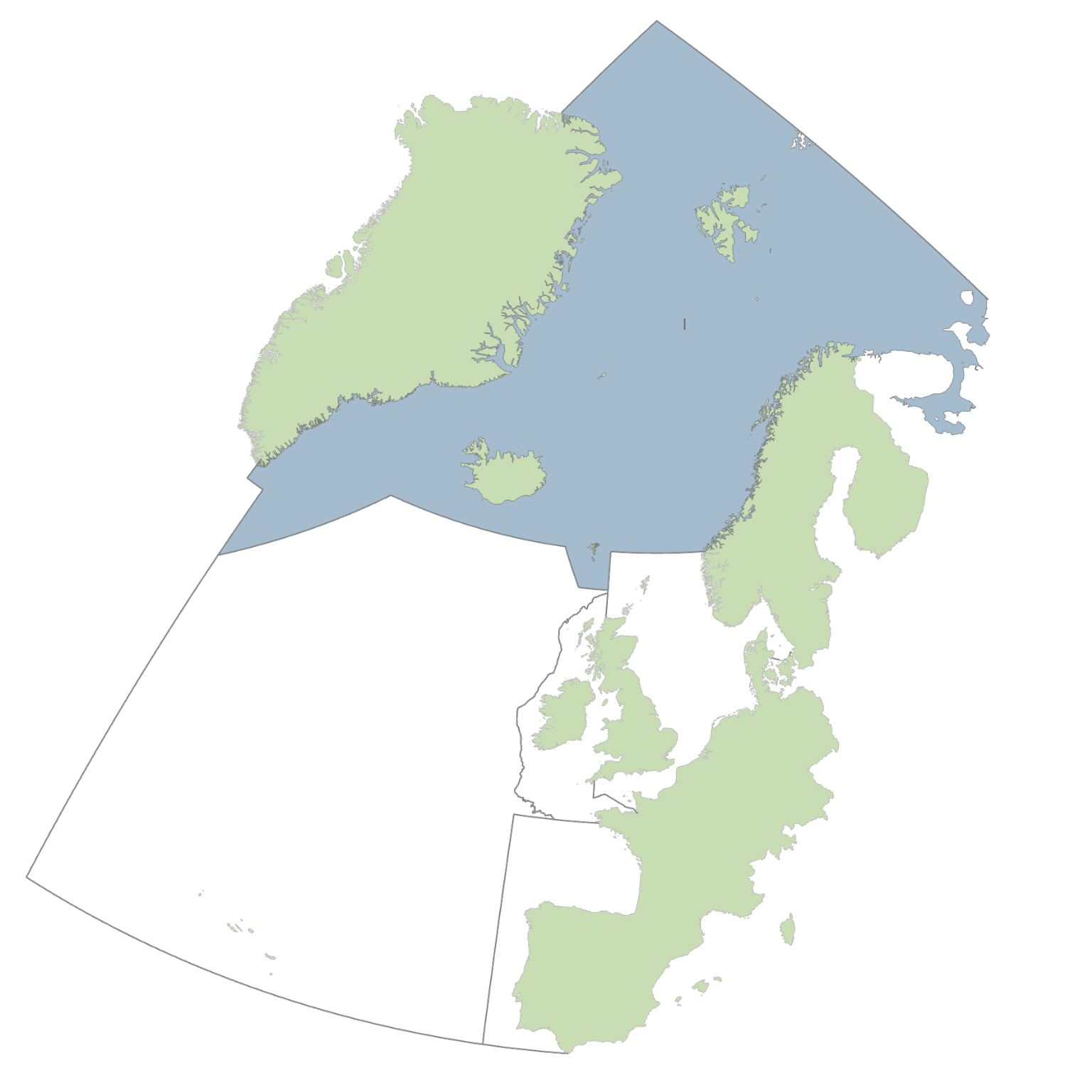
OSPAR Region: Arctic Waters
Source of knowledge gap: QSR2023 - Feeder Report 2021 - Shipping and Ports
Uncertainties regarding the growth of global shipping volumes in OSPAR waters.
ID Number: TBC
Knowledge gap description: Growth in global volumes in the short and longer terms is anticipated, but with uncertainties about the extent of growth in OSPAR waters.
Topics:
Knowledge Gap Category:
4. data coverage
Assessment Category:
Other assessment
Relevant for MSFD Art 8:
N/A
Implementation Status
OSPAR Region: All Regions
Source of knowledge gap: QSR2023 - Feeder Report 2021 - Shipping and Ports
Impact of COVID-19 on global and regional trade flows
ID Number: TBC
Knowledge gap description: Impact of COVID-19 on global and regional trade flows is not yet known.
Topics:
Knowledge Gap Category:
4. data coverage
Assessment Category:
Other assessment
Relevant for MSFD Art 8:
N/A
Implementation Status
OSPAR Region: All Regions
Source of knowledge gap: QSR2023 - Feeder Report 2021 - Shipping and Ports
Consider risks associated with changes in shipping routes
ID Number: TBC
Knowledge gap description: Navigational risk assessments will need to consider risks associated with changes in shipping routes (e.g., resulting from windfarm construction).
Knowledge Gap Category:
1. indicator development
Assessment Category:
Other assessment
Relevant for MSFD Art 8:
N/A
Implementation Status
OSPAR Region: All Regions
Source of knowledge gap: QSR2023 - Feeder Report 2021 - Shipping and Ports
Uncertainties regarding the increase in maritime traffic in Arctic waters
ID Number: TBC
Knowledge gap description: Further increase in shipping activity is anticipated for Arctic waters, buy how significant this will be as well as the market potential for most types of shipments) is uncertain (as well as the market potential).
Topics:
Knowledge Gap Category:
4. data coverage
Assessment Category:
Other assessment
Relevant for MSFD Art 8:
N/A
Implementation Status
OSPAR Region: Arctic Waters
Source of knowledge gap: QSR2023 - Feeder Report 2021 - Shipping and Ports
Uncertainties related to fleet changes, impacts, and risks
ID Number: TBC
Knowledge gap description: Fleet compositions changes are expected but there are uncertainties with the pace and details of fleet change. These need to be considered to understand impacts and risks.
Topics:
Knowledge Gap Category:
4. data coverage
Assessment Category:
Other assessment
Relevant for MSFD Art 8:
N/A
Implementation Status
OSPAR Region: All Regions
Source of knowledge gap: QSR2023 - Feeder Report 2021 - Shipping and Ports
Confidence in data on trends on number of new introductions of non-indigenous species.
ID Number: TBC
Knowledge gap description: There is fairly low confidence in data on trends on number of new introductions of non-indigenous species.
Knowledge Gap Category:
4. data coverage
Assessment Category:
Other assessment
Relevant for MSFD Art 8:
D2C1
Implementation Status
OSPAR Region: All Regions
Source of knowledge gap: QSR2023 - Feeder Report 2021 - Shipping and Ports
Monitoring of non-indigenous species
ID Number: TBC
Knowledge gap description: Monitoring of non-indigenous species is a knowledge gap for implementation of the Marine Strategy Framework Directive.
Knowledge Gap Category:
4. data coverage
Assessment Category:
Other assessment
Relevant for MSFD Art 8:
D2C1, D2C2, D2C3
Implementation Status
OSPAR Region: All Regions
Source of knowledge gap: QSR2023 - Feeder Report 2021 - Shipping and Ports
Continuous noise from shipping and impact of different designs and operations on environment.
ID Number: TBC
Knowledge gap description: Continous noise from shipping needs more research to understand the impact of different designs, operations, and environmental impacts.
Knowledge Gap Category:
4. data coverage
Assessment Category:
Other assessment
Relevant for MSFD Art 8:
D11C1, D11C2
Implementation Status
OSPAR Region: All Regions
Source of knowledge gap: QSR2023 - Feeder Report 2021 - Shipping and Ports
Baseline of litter inputs from commercial shipping
ID Number: TBC
Knowledge gap description: There is no reliable baseline of litter inputs from commercial shipping, which makes it unclear what the effectiveness of measures to address plastic litter are.
Knowledge Gap Category:
4. data coverage
Assessment Category:
Other assessment
Relevant for MSFD Art 8:
D10C1, D10C2
Implementation Status
OSPAR Region: All Regions
Source of knowledge gap: QSR2023 - Feeder Report 2021 - Shipping and Ports
Identification of sources of pollution and substances of detection spills
ID Number: TBC
Knowledge gap description: Oil spills: the source of pollution was identified for only 30% of detected spills. There were 114 detections of unknown substances.
Topics:
Knowledge Gap Category:
4. data coverage
Assessment Category:
Other assessment
Relevant for MSFD Art 8:
D8C3
Implementation Status
OSPAR Region: All Regions
Source of knowledge gap: QSR2023 - Feeder Report 2021 - Shipping and Ports
Monitoring implementation of measures for management of impacts
ID Number: TBC
Knowledge gap description: OSPAR could consider monitoring implementation of measures for management of impacts (e.g., on ballast water, air pollution, litter) and evidence of success.
Knowledge Gap Category:
6. effectiveness of measures
Assessment Category:
Other assessment
Relevant for MSFD Art 8:
N/A
Implementation Status
OSPAR Region: All Regions
Source of knowledge gap: QSR2023 - Feeder Report 2021 - Shipping and Ports
Consider the significance of newly emerging or poorly understood issues and risks
ID Number: TBC
Knowledge gap description: Consider the significance of newly emerging or poorly understood issues and risks and potential OSPAR involvement (e.g. discharges from scrubbers, microplastics in ship paints; potential increase in risks or impact from collision/accident due to expansion of wind farms or larger ships; better understanding of the impact of ship wakes; effects of new low-sulphur fuels in terms of toxicity and difficulty in clean-up)
Knowledge Gap Category:
7. emerging issues of human activities
Assessment Category:
Other assessment
Relevant for MSFD Art 8:
N/A
Implementation Status
OSPAR Region: All Regions
Source of knowledge gap: QSR2023 - Feeder Report 2021 - Shipping and Ports
Monitoring and control tools for Exhaust Gas Cleaning System discharges
ID Number: TBC
Knowledge gap description: Effective enforcement of Exhaust Gas Cleaning System (EGCS) discharges needed. Tools to monitor and enforce.
Topics:
Knowledge Gap Category:
4. data coverage
Assessment Category:
Other assessment
Relevant for MSFD Art 8:
N/A
Implementation Status
OSPAR Region: All Regions
Source of knowledge gap: QSR2023 - Feeder Report 2021 - Shipping and Ports
Impact of ship wakes on protected species and habitats
ID Number: TBC
Knowledge gap description: Within European seas, the North Sea has the highest proportion of its area potentially disturbed by ship wakes. This may affect some protected species and habitats, but there is no available information demonstrating this impact.
Topics:
Knowledge Gap Category:
4. data coverage
Assessment Category:
Other assessment
Relevant for MSFD Art 8:
N/A
Implementation Status
OSPAR Region: All Regions
Source of knowledge gap: QSR2023 - Feeder Report 2021 - Shipping and Ports
Integrating combined effects and potential mixture toxicity into the existing assessment schemes of waste water
ID Number: TBC
Knowledge gap description: Consider integrating combined effects and potential mixture toxicity into the existing assessment schemes.
Topics:
Knowledge Gap Category:
5. cumulative effects & integration
Assessment Category:
Other assessment
Relevant for MSFD Art 8:
N/A
Implementation Status
OSPAR Region: All Regions
Source of knowledge gap: QSR2023 - Feeder Report 2021 - Waste water