
OSPAR Science Agenda Knowledge Gap Portal
Welcome to the OSPAR Science Agenda knowledge gap portal. The page showcases important scientific questions and evidence needs identified by OSPAR to help protect and sustainably manage the North-East Atlantic. Use the filters and search options below to explore knowledge gaps by topic, category, region, and status, or browse visually to discover areas where new research, data, or collaborations are needed. The aim is to make it easy for anyone - scientists, funders, and policy makers to understand the current priorities, access key details, and get involved in helping to close these important gaps for a healthier ocean future.
Showing 26 - 50 of 539 items
The influence of climate change on Thick-billed murre/Brünnich's guillemot
ID Number: TBC
Knowledge gap description: An in-depth understanding of how climate change affects population status is needed
Knowledge Gap Category:
5. cumulative effects & integration
Assessment Category:
Status assessment
Relevant for MSFD Art 8:
D1C2
Implementation Status
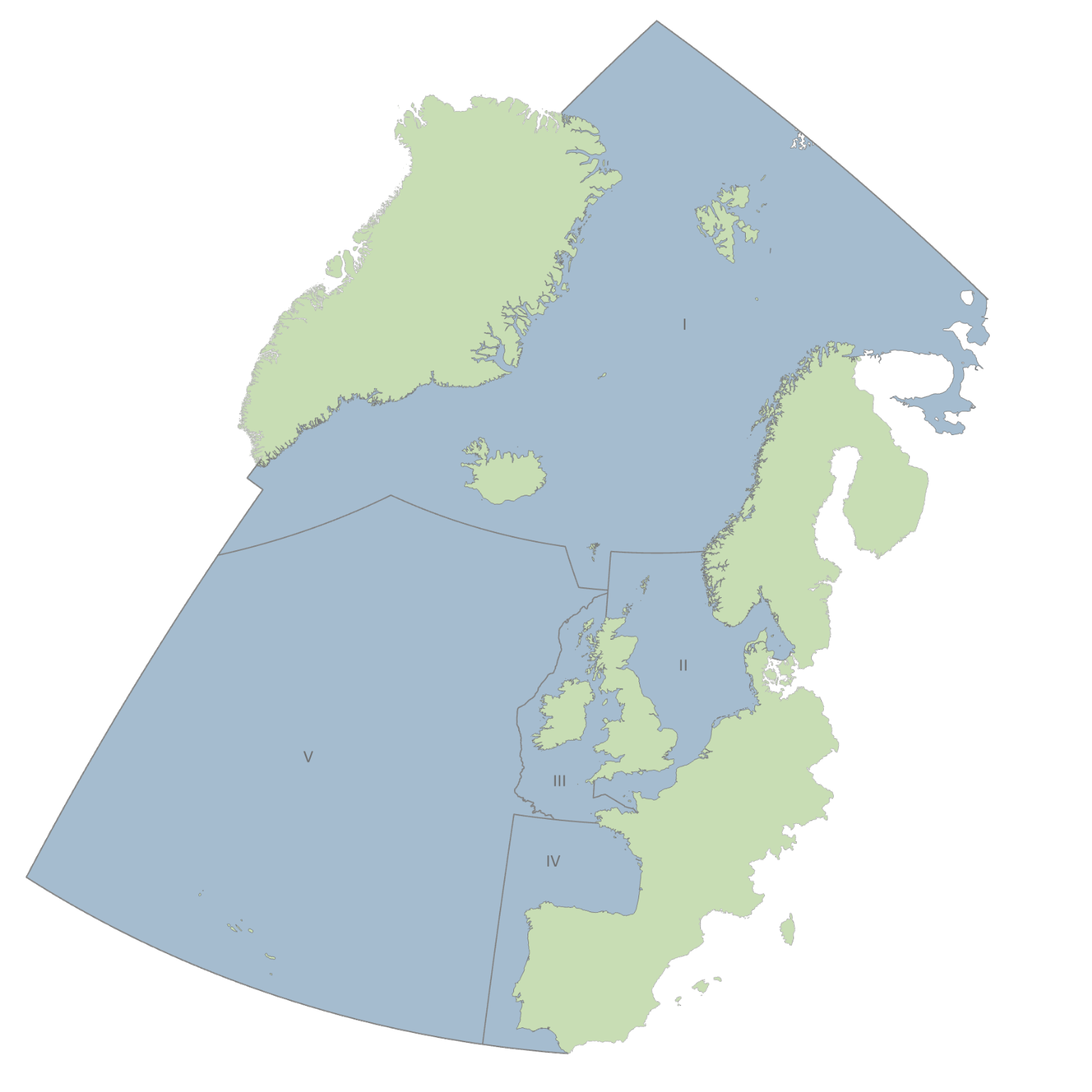
OSPAR Region: All Regions
Source of knowledge gap: QSR2023 - Status Assessment 2020 - Thick-billed murre or Brünnich‘s guillemot
Improve assessments on pelagic habitats to increase information on ecological interconnection
ID Number: BB32.01
Knowledge gap description: Very few OSPAR measures specifically address pelagic habitats. With improved assessment of the ecosystem component we need to better define the connection between the ecological consequences and physical drivers of plankton production as a part of the information being used to inform management responses.
Topics:
Knowledge Gap Category:
6. effectiveness of measures
Assessment Category:
Thematic assessment
Relevant for MSFD Art 8:
D1C6
Implementation Status
OSPAR Region: All Regions
Source of knowledge gap: QSR2023 - Pelagic Habitats Thematic Assessment
Improve predictability of effects from climate change on future primary production
ID Number: BB32.02
Knowledge gap description: Climate change is changing the predictability of how physical processes affecting the patterns of primary production produce patches of plankton concentration. Such changes, often occurring across multiple temporal and spatial scales, should be considered in the development and adaptation of marine management processes, so as to effectively and adaptably plan towards, and manage for, future conditions.
Knowledge Gap Category:
7. emerging issues of human activities
Assessment Category:
Thematic assessment
Relevant for MSFD Art 8:
D1C6
Implementation Status
OSPAR Region: All Regions
Source of knowledge gap: QSR2023 - Pelagic Habitats Thematic Assessment
Improve methods for observations of plankton communities
ID Number: BB32.03
Knowledge gap description: Improve the frequency and spatial coverage of plankton observations by integrating both remote sensing products, but also automated in vivo/in situ approaches at high spatial and temporal resolution
Topics:
Knowledge Gap Category:
4. data coverage
Assessment Category:
Thematic assessment
Relevant for MSFD Art 8:
D1C6
Implementation Status
OSPAR Region: All Regions
Source of knowledge gap: QSR2023 - Pelagic Habitats Thematic Assessment
Understand the dynamic systems of plankton communities and anticipated changes due to climate change
ID Number: BB32.04
Knowledge gap description: Ecosystems and the species interactions within them are not static, and how anticipating change in these dynamic systems under climate change is needed.
Knowledge Gap Category:
7. emerging issues of human activities
Assessment Category:
Thematic assessment
Relevant for MSFD Art 8:
D1C6
Implementation Status
OSPAR Region: All Regions
Source of knowledge gap: QSR2023 - Pelagic Habitats Thematic Assessment
Offshore renewables and plankton dynamics
ID Number: BB32.07
Knowledge gap description: Consider plankton dynamics in the scaling-up of offshore renewable infrastructure.
Knowledge Gap Category:
5. cumulative effects & integration
Assessment Category:
Thematic assessment
Relevant for MSFD Art 8:
D1C6
Implementation Status
OSPAR Region: All Regions
Source of knowledge gap: QSR2023 - Pelagic Habitats Thematic Assessment
Linkages across trophic levels
ID Number: BB32.08
Knowledge gap description: Include the trophic cascade concept within OSPAR’s work so as to be able to continue developing linkages across trophic levels (top-down and bottom-up), including between plankton health, food web function and derived ecosystem services
Knowledge Gap Category:
5. cumulative effects & integration
Assessment Category:
Thematic assessment
Relevant for MSFD Art 8:
D1C6
Implementation Status
OSPAR Region: All Regions
Source of knowledge gap: QSR2023 - Pelagic Habitats Thematic Assessment
Quantify plankton as natural capital
ID Number: BB32.09
Knowledge gap description: Quantify the effects of pressures on plankton as natural capital and integrate into policy development.
Topics:
Knowledge Gap Category:
4. data coverage
Assessment Category:
Thematic assessment
Relevant for MSFD Art 8:
D1C6
Implementation Status
OSPAR Region: All Regions
Source of knowledge gap: QSR2023 - Pelagic Habitats Thematic Assessment
Plankton data
ID Number: BB11.01
Knowledge gap description: Include additional datasets, particularly for the Bay of Biscay and Iberian Coast.
Topics:
Knowledge Gap Category:
4. data coverage
Assessment Category:
Common indicator assessment
Relevant for MSFD Art 8:
D1C6
Implementation Status
OSPAR Region: All Regions
Source of knowledge gap: QSR2023 - Changes in Phytoplankton Biomass and Zooplankton Abundance
Exploring carbon flow through the food web
ID Number: BB11.02b
Knowledge gap description: Pelagic Habitat indicator 2 (PH2) does not account for variability in photosynthetic rates and the actual flow of carbon through the system. Further research on the use of primary production (FW2), as a direct indicator of carbon flow through the food web, should be explored.
Knowledge Gap Category:
1. indicator development
Assessment Category:
Common indicator assessment
Relevant for MSFD Art 8:
D1C6
Implementation Status
OSPAR Region: All Regions
Source of knowledge gap: QSR2023 - Changes in Phytoplankton Biomass and Zooplankton Abundance
Improve integration of plankton and eutrophication indicators
ID Number: BB11.03
Knowledge gap description: Improve coherence and integration with relevant eutrophication indicators.
Knowledge Gap Category:
1. indicator development
Assessment Category:
Common indicator assessment
Relevant for MSFD Art 8:
D1C6
Implementation Status
OSPAR Region: All Regions
Source of knowledge gap: QSR2023 - Changes in Phytoplankton Biomass and Zooplankton Abundance
Research on different Chlorophyll methodologies
ID Number: BB11.04
Knowledge gap description: Continual assessment of characterising the differences in Chl-a methodologies is required (e.g., between fluorometric, spectrophotometric, High-performance liquid chromatography (HPLC) and in situ fluorometers [which are prone to quenching] plus Continuous Plankton Recorder (CPR) colour scale index) in future research.
Topics:
Knowledge Gap Category:
1. indicator development
Assessment Category:
Common indicator assessment
Relevant for MSFD Art 8:
D1C6
Implementation Status
OSPAR Region: All Regions
Source of knowledge gap: QSR2023 - Changes in Phytoplankton Biomass and Zooplankton Abundance
More precise methods to define natural cycle of plankton communities
ID Number: BB11.05
Knowledge gap description: Methodology improvement needs to be continued to define more precisely the natural cycle of phytoplankton biomass and zooplankton abundance.
Topics:
Knowledge Gap Category:
2. thresholds & references
Assessment Category:
Common indicator assessment
Relevant for MSFD Art 8:
D1C6
Implementation Status
OSPAR Region: All Regions
Source of knowledge gap: QSR2023 - Changes in Phytoplankton Biomass and Zooplankton Abundance
Refine the use of satellite data on plankton communties
ID Number: BB11.06
Knowledge gap description: Refine the use of satellite data and improve coherence with the eutrophication assessments.
Knowledge Gap Category:
1. indicator development
Assessment Category:
Common indicator assessment
Relevant for MSFD Art 8:
D1C6
Implementation Status
OSPAR Region: All Regions
Source of knowledge gap: QSR2023 - Changes in Phytoplankton Biomass and Zooplankton Abundance
Refine the links between Pelagic Habitats and pressures
ID Number: BB11.07
Knowledge gap description: Refine the links between Pelagic Habitat indicator 2 (PH2) and pressures. The origins of the different pressures are unclear. Test for delayed effects of environmental pressures on phytoplankton biomass and zooplankton abundance.
Topics:
Knowledge Gap Category:
1. indicator development
Assessment Category:
Common indicator assessment
Relevant for MSFD Art 8:
D1C6
Implementation Status
OSPAR Region: All Regions
Source of knowledge gap: QSR2023 - Changes in Phytoplankton Biomass and Zooplankton Abundance
Increase data coverage on plankton
ID Number: BB10.01
Knowledge gap description: It will be important to obtain plankton datasets within pelagic habitats lacking sufficient coverage in the current assessment.
Topics:
Knowledge Gap Category:
4. data coverage
Assessment Category:
Common indicator assessment
Relevant for MSFD Art 8:
D1C6
Implementation Status
OSPAR Region: All Regions
Source of knowledge gap: QSR2023 - Changes in Phytoplankton and Zooplankton Communities
Direct links between change in environmental variables and change in plankton abundance.
ID Number: BB10.02
Knowledge gap description: Further scientific research will be required to explore direct mechanistic links between change in environmental variables and change in lifeform abundance.
Topics:
Knowledge Gap Category:
1. indicator development
Assessment Category:
Common indicator assessment
Relevant for MSFD Art 8:
D1C6
Implementation Status
OSPAR Region: All Regions
Source of knowledge gap: QSR2023 - Changes in Phytoplankton and Zooplankton Communities
Links between pressures and pelagic habitats at a fine spatiotemporal scale
ID Number: BB10.03
Knowledge gap description: Examine national datasets at a finer spatiotemporal scale, to help establish clearer links between climatic and anthropogenic pressures with changes in pelagic habitats and plankton diversity.
Knowledge Gap Category:
1. indicator development
Assessment Category:
Common indicator assessment
Relevant for MSFD Art 8:
D1C6
Implementation Status
OSPAR Region: All Regions
Source of knowledge gap: QSR2023 - Changes in Phytoplankton and Zooplankton Communities
Delayed effects of environmental pressures
ID Number: BB10.04
Knowledge gap description: Test for delayed effects of environmental pressures on lifeform abundance.
Topics:
Knowledge Gap Category:
1. indicator development
Assessment Category:
Common indicator assessment
Relevant for MSFD Art 8:
D1C6
Implementation Status
OSPAR Region: All Regions
Source of knowledge gap: QSR2023 - Changes in Phytoplankton and Zooplankton Communities
Long-term changes in plankton abundance on pelagic food webs
ID Number: BB10.05
Knowledge gap description: Investigate the impacts of long-term changes in lifeform abundance on pelagic food webs.
Knowledge Gap Category:
1. indicator development
Assessment Category:
Common indicator assessment
Relevant for MSFD Art 8:
D1C6
Implementation Status
OSPAR Region: All Regions
Source of knowledge gap: QSR2023 - Changes in Phytoplankton and Zooplankton Communities
Link the changes of pelagic habitats and the impacts on food webs
ID Number: BB10.06
Knowledge gap description: Examine the rate and direction of change in the Plankton Index with respect to each lifeform pair, as well as the ecological consequences of changing lifeform abundance on higher trophic levels, not considered in the pelagic habitats assessment. This could help link both the pelagic and food webs assessments in terms of identified changes and impacts.
Knowledge Gap Category:
1. indicator development
Assessment Category:
Common indicator assessment
Relevant for MSFD Art 8:
D1C6
Implementation Status
OSPAR Region: All Regions
Source of knowledge gap: QSR2023 - Changes in Phytoplankton and Zooplankton Communities
Pressure datasets from fish predation on plankton
ID Number: BB10.07
Knowledge gap description: Obtain pressure datasets that would present an indicator of predation on plankton from higher trophic levels (e.g., forage fish density).
Knowledge Gap Category:
4. data coverage
Assessment Category:
Common indicator assessment
Relevant for MSFD Art 8:
D1C6
Implementation Status
OSPAR Region: All Regions
Source of knowledge gap: QSR2023 - Changes in Phytoplankton and Zooplankton Communities
Plankton traits
ID Number: BB10.08
Knowledge gap description: Determination of the traits for many plankton species.
Topics:
Knowledge Gap Category:
1. indicator development
Assessment Category:
Common indicator assessment
Relevant for MSFD Art 8:
D1C6
Implementation Status
OSPAR Region: All Regions
Source of knowledge gap: QSR2023 - Changes in Phytoplankton and Zooplankton Communities
Pico- and nanoplanktons role in the marine ecosystem
ID Number: BB10.09
Knowledge gap description: Develop a better understanding of the role in the ecosystem of pico and nanoplankton, including the extent of their biological interactions in their environments.
Topics:
Knowledge Gap Category:
1. indicator development
Assessment Category:
Common indicator assessment
Relevant for MSFD Art 8:
D1C6
Implementation Status
OSPAR Region: All Regions
Source of knowledge gap: QSR2023 - Changes in Phytoplankton and Zooplankton Communities
Region-wide plankton data
ID Number: BB12.01
Knowledge gap description: For a regional and habitat assessment, better acquisition of region-wide plankton data is required, including offshore stations (e.g., variable salinity and coastal habitats).
Topics:
Knowledge Gap Category:
4. data coverage
Assessment Category:
Common indicator assessment
Relevant for MSFD Art 8:
D1C6
Implementation Status
OSPAR Region: All Regions
Source of knowledge gap: QSR2023 - Changes in Plankton Diversity