
OSPAR Science Agenda Knowledge Gap Portal
Welcome to the OSPAR Science Agenda knowledge gap portal. The page showcases important scientific questions and evidence needs identified by OSPAR to help protect and sustainably manage the North-East Atlantic. Use the filters and search options below to explore knowledge gaps by topic, category, region, and status, or browse visually to discover areas where new research, data, or collaborations are needed. The aim is to make it easy for anyone - scientists, funders, and policy makers to understand the current priorities, access key details, and get involved in helping to close these important gaps for a healthier ocean future.
Showing 26 - 50 of 100 items
Improvement of mapping of sensitivity
ID Number: BB09.07
Knowledge gap description: Sensitivity data: Mapping of sensitivity could be improved through the availability of: a consistent OSPAR-scale habitat classification system; and, an agreed method to translate between habitat classifications accurately.
Topics:
Knowledge Gap Category:
4. data coverage
Assessment Category:
Common indicator assessment
Relevant for MSFD Art 8:
D6C3, D6C5
Implementation Status
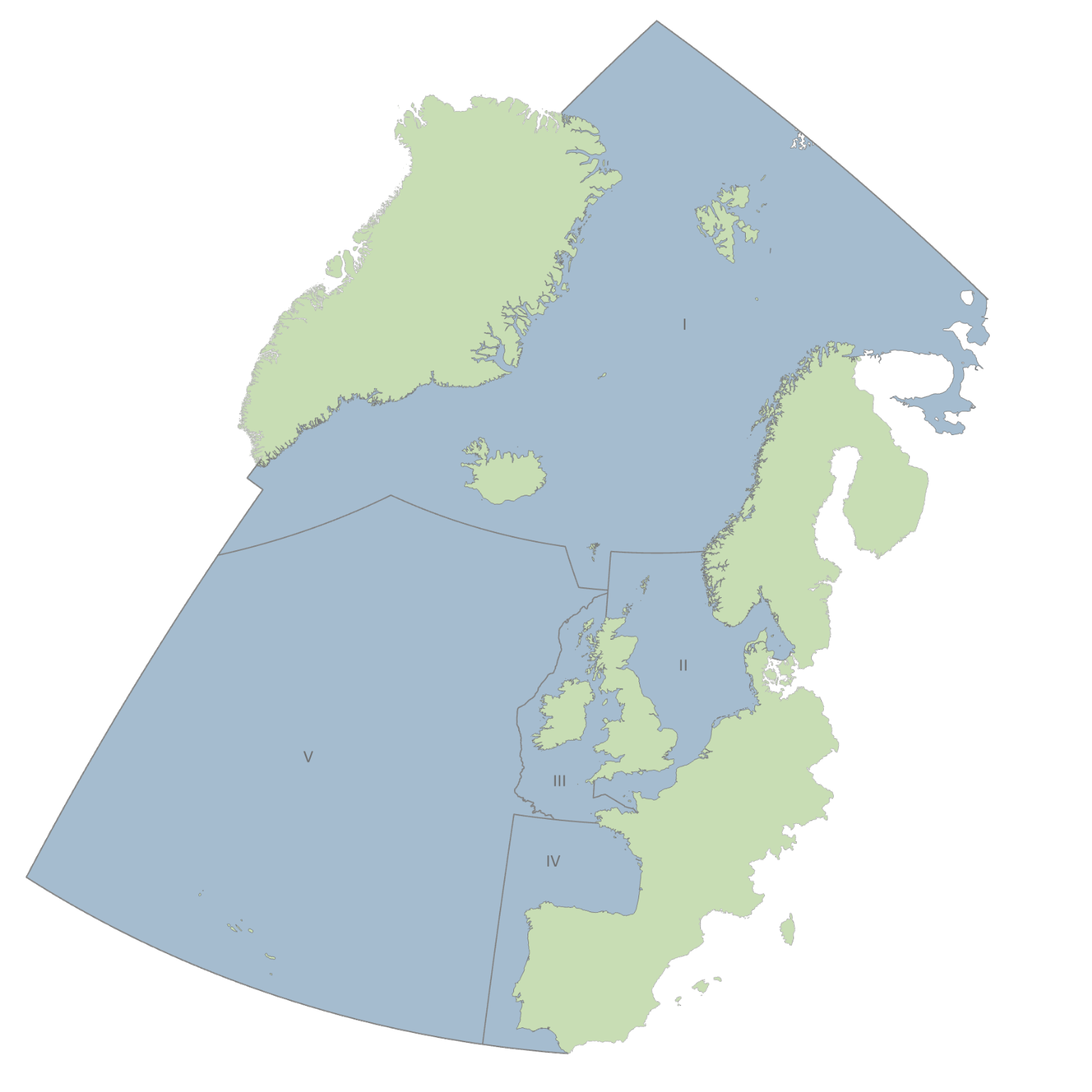
OSPAR Region: All Regions
Source of knowledge gap: QSR2023 - Extent of Physical Disturbance to Benthic Habitats: Aggregate Extraction
Information on sensitivity of MSFD Broad Habitat Types and Other Habitat Types.
ID Number: BB09.08
Knowledge gap description: Sensitivity data: There was missing sensitivity information for certain MSFD Broad Habitat Types (BHTs) and Other Habitat Types (OHTs) particularly in areas such as the deep-sea. Habitat-specific sensitivity scores require further testing and validation to help improve application to future assessments.
Topics:
Knowledge Gap Category:
4. data coverage
Assessment Category:
Common indicator assessment
Relevant for MSFD Art 8:
D6C3, D6C5
Implementation Status
OSPAR Region: All Regions
Source of knowledge gap: QSR2023 - Extent of Physical Disturbance to Benthic Habitats: Aggregate Extraction
Data from biotopes across all biogeographic areas for Sensitivity information and data layers
ID Number: BB09.09
Knowledge gap description: Sensitivity data: Sensitivity information and data layers could be improved with additional sensitivity data from biotopes across all biogeographic areas of the OSPAR Maritime Area.
Topics:
Knowledge Gap Category:
4. data coverage
Assessment Category:
Common indicator assessment
Relevant for MSFD Art 8:
D6C3, D6C5
Implementation Status
OSPAR Region: All Regions
Source of knowledge gap: QSR2023 - Extent of Physical Disturbance to Benthic Habitats: Aggregate Extraction
Developemnet of condition indicators
ID Number: BB09.10
Knowledge gap description: Sensitivity data: Integration with other benthic habitat indicators was not possible in the Quality Status Report (QSR) 2023 assessment due to data gaps. Exploring approaches for the calibration and integration of condition indicators (e.g., Sentinels of Seabed indicator, BH1; and, Condition of Benthic Habitat Communities, BH2) to improve the modelling approach from the BH3 method will broaden the evidence base used in assessments in biogeographic regions.
Topics:
Knowledge Gap Category:
1. indicator development
Assessment Category:
Common indicator assessment
Relevant for MSFD Art 8:
D6C3, D6C5
Implementation Status
OSPAR Region: All Regions
Source of knowledge gap: QSR2023 - Extent of Physical Disturbance to Benthic Habitats: Aggregate Extraction
Availability of reference condition habitat data and pressure-state relationships at the regional scale
ID Number: BB09.11
Knowledge gap description: Sensitivity data: The limited availability of reference condition habitat data and pressure-state relationships at the regional scale resulted in the reliance on expert knowledge and extrapolation of available pressure-state data. Greater availability of data from unimpacted areas, to serve as reference when assessing sensitivity, is needed to improve understanding of ecosystem changes in response to physical disturbance from extraction.
Knowledge Gap Category:
2. thresholds & references
Assessment Category:
Common indicator assessment
Relevant for MSFD Art 8:
D6C3, D6C5
Implementation Status
OSPAR Region: All Regions
Source of knowledge gap: QSR2023 - Extent of Physical Disturbance to Benthic Habitats: Aggregate Extraction
Data on habitat recovery once extraction pressure has been removed
ID Number: BB09.12
Knowledge gap description: Sensitivity data: Assessments of resilience and predictions of disturbance magnitude could be improved with studies of habitat recovery once extraction pressure has been removed (e.g., surrendered licensed areas).
Knowledge Gap Category:
4. data coverage
Assessment Category:
Common indicator assessment
Relevant for MSFD Art 8:
D6C3, D6C5
Implementation Status
OSPAR Region: All Regions
Source of knowledge gap: QSR2023 - Extent of Physical Disturbance to Benthic Habitats: Aggregate Extraction
Standardization of data on annual extraction activity footprint
ID Number: BB09.13
Knowledge gap description: Pressure data: There was a lack of annual extraction activity footprint with standardised intensity data. An agreed common format of extraction pressure, indicative of physical pressure on the seabed at a standardised spatial resolution would give a more representative assessment of disturbance across the OSPAR Maritime Area. The estimation of intensity of physical pressure could be improved with additional data (e.g., extraction volume, if the activity was static or mobile, and the footprint of the draghead used).
Knowledge Gap Category:
4. data coverage
Assessment Category:
Common indicator assessment
Relevant for MSFD Art 8:
D6C3, D6C5
Implementation Status
OSPAR Region: All Regions
Source of knowledge gap: QSR2023 - Extent of Physical Disturbance to Benthic Habitats: Aggregate Extraction
Development of monitoring devices for active dredging
ID Number: BB09.14
Knowledge gap description: Pressure data: Wider adoption of monitoring devices that only record active dredging would help reduce overestimation of dredging when vessels are transiting at slow speeds.
Knowledge Gap Category:
4. data coverage
Assessment Category:
Common indicator assessment
Relevant for MSFD Art 8:
D6C3, D6C5
Implementation Status
OSPAR Region: All Regions
Source of knowledge gap: QSR2023 - Extent of Physical Disturbance to Benthic Habitats: Aggregate Extraction
Combination of physical disturbance from bottom-contact fishing and aggregate extraction into a cumulative pressure index
ID Number: BB09.15
Knowledge gap description: Pressure data: The current assessments of physical disturbance from bottom-contact fishing and aggregate extraction assess each pressure independently. Future approaches could combine these and any additional pressures into a single cumulative pressure index, enabling multiple pressures to be expressed as a single disturbance response.
Knowledge Gap Category:
1. indicator development
Assessment Category:
Common indicator assessment
Relevant for MSFD Art 8:
D6C3, D6C5
Implementation Status
OSPAR Region: All Regions
Source of knowledge gap: QSR2023 - Extent of Physical Disturbance to Benthic Habitats: Aggregate Extraction
Availability of commercially sensitive pressure data
ID Number: BB09.01
Knowledge gap description: Pressure data: There was data deficiency, particularly limited access to commercially sensitive pressure data.
Topics:
Knowledge Gap Category:
4. data coverage
Assessment Category:
Common indicator assessment
Relevant for MSFD Art 8:
D6C3, D6C5
Implementation Status
OSPAR Region: All Regions
Source of knowledge gap: QSR2023 - Extent of Physical Disturbance to Benthic Habitats: Fisheries with mobile bottom-contacting gears
Availability of habitat data and associated benthic community data where pressure was reported
ID Number: BB09.02
Knowledge gap description: Habitat data: Habitat data and associated benthic community data are not always accessible where pressure was reported.
Topics:
Knowledge Gap Category:
4. data coverage
Assessment Category:
Common indicator assessment
Relevant for MSFD Art 8:
D6C3, D6C5
Implementation Status
OSPAR Region: All Regions
Source of knowledge gap: QSR2023 - Extent of Physical Disturbance to Benthic Habitats: Fisheries with mobile bottom-contacting gears
Biological data from areas where fishing pressure has been removed
ID Number: BB09.12
Knowledge gap description: Pressure data: Biological data from areas where fishing pressure has been removed (e.g., no-take zones) would help improve understanding of receptor recovery and will be explored in future work. Improved vessel monitoring (VMS) data for missing fleets and vessels < 12 m would be beneficial.
Knowledge Gap Category:
4. data coverage
Assessment Category:
Common indicator assessment
Relevant for MSFD Art 8:
D6C3, D6C5
Implementation Status
OSPAR Region: All Regions
Source of knowledge gap: QSR2023 - Extent of Physical Disturbance to Benthic Habitats: Fisheries with mobile bottom-contacting gears
Availability of Vessel Monitoring information
ID Number: BB09.13
Knowledge gap description: Pressure data: Since there is little Vessel Monitoring (VMS) information, the spatial extent of pressures associated with bottom-contact fishing activity could have been underestimated in some areas.
Knowledge Gap Category:
4. data coverage
Assessment Category:
Common indicator assessment
Relevant for MSFD Art 8:
D6C3, D6C5
Implementation Status
OSPAR Region: All Regions
Source of knowledge gap: QSR2023 - Extent of Physical Disturbance to Benthic Habitats: Fisheries with mobile bottom-contacting gears
Inclusion of Inshore Vessel Monitoring Systems data
ID Number: BB09.14
Knowledge gap description: Pressure data: Inclusion of Inshore Vessel Monitoring Systems (I-VMS) data in assessments would increase the confidence of assessments in inshore waters, where smaller vessels are most likely to operate.
Knowledge Gap Category:
4. data coverage
Assessment Category:
Common indicator assessment
Relevant for MSFD Art 8:
D6C3, D6C5
Implementation Status
OSPAR Region: All Regions
Source of knowledge gap: QSR2023 - Extent of Physical Disturbance to Benthic Habitats: Fisheries with mobile bottom-contacting gears
Adequate Vessel Monitoring (VMS) data
ID Number: BB09.15
Knowledge gap description: Pressure data: There was missing or inadequate Vessel Monitoring (VMS) data from Portugal, Norway, and Iceland. Therefore, bottom-contact fishing pressure may have appeared to be absent and/or underrepresented despite the occurrence of fleet activities.
Knowledge Gap Category:
4. data coverage
Assessment Category:
Common indicator assessment
Relevant for MSFD Art 8:
D6C3, D6C5
Implementation Status
OSPAR Region: All Regions
Source of knowledge gap: QSR2023 - Extent of Physical Disturbance to Benthic Habitats: Fisheries with mobile bottom-contacting gears
Improvement of Vessel Monitoring (VMS) data quality assurance protocols
ID Number: BB09.16
Knowledge gap description: Pressure data: The improvement of Vessel Monitoring (VMS) data quality assurance protocols by OSPAR Contracting Parties prior to submission of data to ICES will improve the coverage of pressure data in future assessments.
Knowledge Gap Category:
4. data coverage
Assessment Category:
Common indicator assessment
Relevant for MSFD Art 8:
D6C3, D6C5
Implementation Status
OSPAR Region: All Regions
Source of knowledge gap: QSR2023 - Extent of Physical Disturbance to Benthic Habitats: Fisheries with mobile bottom-contacting gears
Coverage of Vessel Monitoring (VMS) data
ID Number: BB09.17
Knowledge gap description: Pressure data: Vessel Monitoring (VMS) data obtained from ICES via the OSPAR data call did not cover the entirety of Kattegat. The new OSPAR benthic habitat assessment units extended beyond the original spatial extent of the official OSPAR Region boundaries used in the data call, which resulted in the potential absence of VMS data. In future assessments, modifications to assessment units that potentially extend beyond the areas agreed in the data call could results in similar knowledge gaps and should be accounted for, where feasible.
Knowledge Gap Category:
4. data coverage
Assessment Category:
Common indicator assessment
Relevant for MSFD Art 8:
D6C3, D6C5
Implementation Status
OSPAR Region: All Regions
Source of knowledge gap: QSR2023 - Extent of Physical Disturbance to Benthic Habitats: Fisheries with mobile bottom-contacting gears
Availability of fishing intensity data
ID Number: BB09.18
Knowledge gap description: Pressure data: Due to limitations associated with the availability of fishing intensity data, the current method may have been overestimated in areas where vessel speeds were likely to be reduced during transit near ports or in adverse weather conditions and were inaccurately attributed to speeds associated with trawling activity.
Knowledge Gap Category:
4. data coverage
Assessment Category:
Common indicator assessment
Relevant for MSFD Art 8:
D6C3, D6C5
Implementation Status
OSPAR Region: All Regions
Source of knowledge gap: QSR2023 - Extent of Physical Disturbance to Benthic Habitats: Fisheries with mobile bottom-contacting gears
Distribution and intensity of pressure within individual c-squares.
ID Number: BB09.19
Knowledge gap description: Pressure data: Knowledge gaps were identified regarding the distribution and intensity of pressure within individual c-squares (spatial grids).
Knowledge Gap Category:
4. data coverage
Assessment Category:
Common indicator assessment
Relevant for MSFD Art 8:
D6C3, D6C5
Implementation Status
OSPAR Region: All Regions
Source of knowledge gap: QSR2023 - Extent of Physical Disturbance to Benthic Habitats: Fisheries with mobile bottom-contacting gears
Response of benthic habitats to consistent or variable abrasion pressure
ID Number: BB09.20
Knowledge gap description: The BH3 assessment of the risk of disturbance from physical abrasion pressures associated with bottom-contact fisheries categorised and assessed surface and subsurface Swept Area Ratios separately. Future work investigating the response of benthic habitats to consistent or variable abrasion pressure would help inform how pressure impacts could be best represented across an assessment period.
Knowledge Gap Category:
1. indicator development
Assessment Category:
Common indicator assessment
Relevant for MSFD Art 8:
D6C3, D6C5
Implementation Status
OSPAR Region: All Regions
Source of knowledge gap: QSR2023 - Extent of Physical Disturbance to Benthic Habitats: Fisheries with mobile bottom-contacting gears
Biological responses to adverse effects caused by pressures associated with physical disturbance
ID Number: BB09.21
Knowledge gap description: Disturbance results: Knowledge gaps remain in understanding of biological responses to adverse effects caused by pressures associated with physical disturbance. Calibration with the results of other benthic indicators (e.g., BH1; Condition of Benthic Habitat Communities, BH2b) will be explored in future work. When improved datasets become available, data-based assessments of the effects physical pressures have on benthic faunal and floral receptors will be explored to mitigate limitations that can affect the certainty and accuracy of indicator outputs.
Topics:
Knowledge Gap Category:
1. indicator development
Assessment Category:
Common indicator assessment
Relevant for MSFD Art 8:
D6C3, D6C5
Implementation Status
OSPAR Region: All Regions
Source of knowledge gap: QSR2023 - Extent of Physical Disturbance to Benthic Habitats: Fisheries with mobile bottom-contacting gears
Integration of Data on habitat distribution and sensitivity
ID Number: BB09.22
Knowledge gap description: Geographical application: Data on habitat distribution and sensitivity is expected to be included at a later stage, to allow the analysis to address the wider spatial scale and assess variations in disturbance across OSPAR Regions more accurately.
Knowledge Gap Category:
3. assessment areas
Assessment Category:
Common indicator assessment
Relevant for MSFD Art 8:
D6C3, D6C5
Implementation Status
OSPAR Region: All Regions
Source of knowledge gap: QSR2023 - Extent of Physical Disturbance to Benthic Habitats: Fisheries with mobile bottom-contacting gears
High accuracy data
ID Number: BB21.01
Knowledge gap description: The confidence and coherence in BH1 assessment results will be improved by access to more data with high accuracy.
Topics:
Knowledge Gap Category:
4. data coverage
Assessment Category:
Common indicator assessment
Relevant for MSFD Art 8:
D6C3
Implementation Status
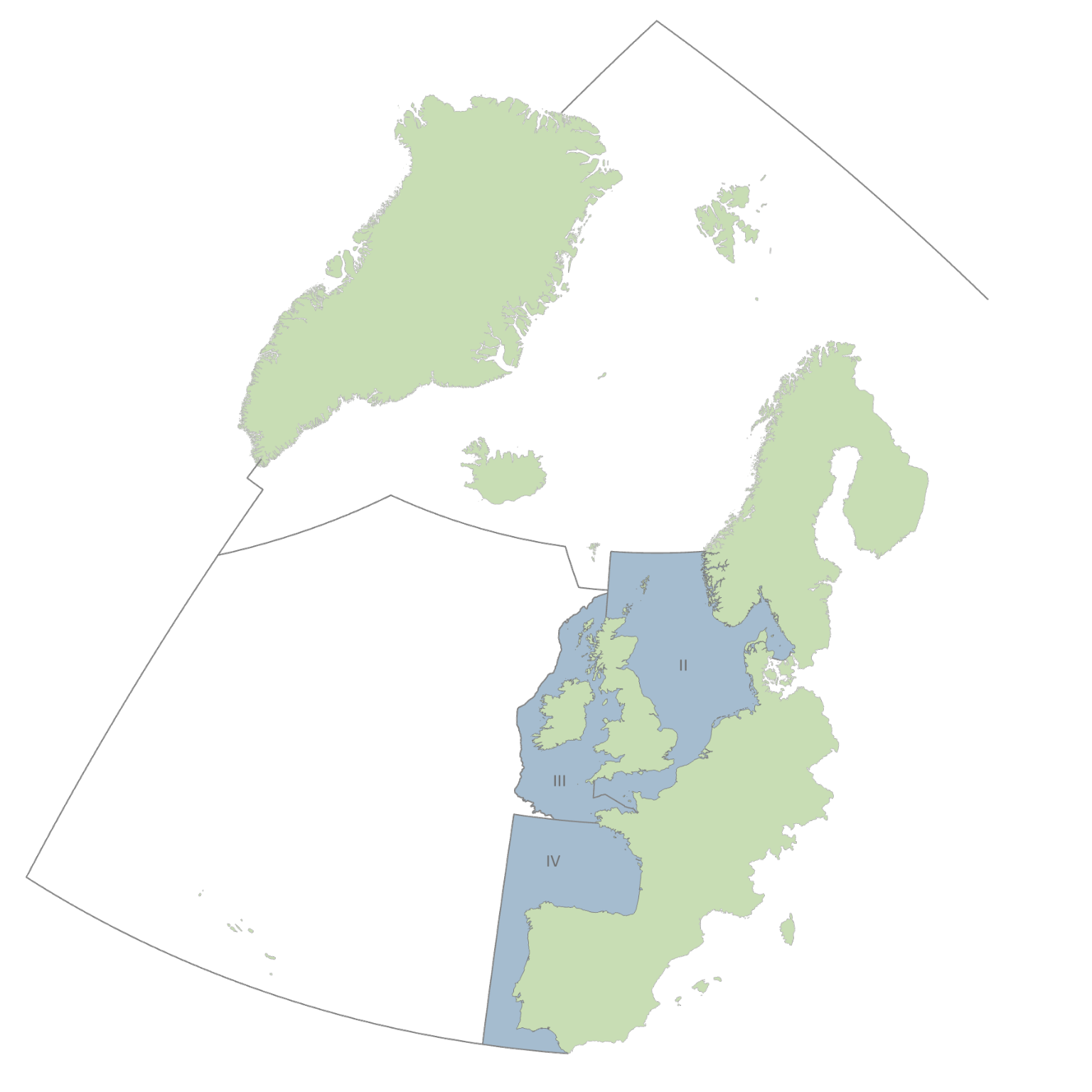
OSPAR Region: Greater North Sea, Celtic Seas, Bay of Biscay and Iberian Coast
Source of knowledge gap: QSR2023 - Sentinels of the Seabed
Habitat map showing the distribution and extent of the Benthic Broad Habitats Types
ID Number: BB21.02a
Knowledge gap description: Distribution of benthic habitats: The BH1 assessment requires a high-quality habitat map showing the distribution and extent of the Benthic Broad Habitats Types (BBHTs) for the assessment area.
Topics:
Knowledge Gap Category:
3. assessment areas
Assessment Category:
Common indicator assessment
Relevant for MSFD Art 8:
D6C3
Implementation Status
OSPAR Region: Greater North Sea, Celtic Seas, Bay of Biscay and Iberian Coast
Source of knowledge gap: QSR2023 - Sentinels of the Seabed
Distribution and intensity of pressure layers within the OSPAR Maritime Area
ID Number: BB21.02b
Knowledge gap description: Distribution of benthic habitats: Knowledge gaps were identified regarding the distribution and intensity of pressure layers within the OSPAR Maritime Area. There were limited, erroneous or unusable data.
Topics:
Knowledge Gap Category:
4. data coverage
Assessment Category:
Common indicator assessment
Relevant for MSFD Art 8:
D6C3
Implementation Status
OSPAR Region: Greater North Sea, Celtic Seas, Bay of Biscay and Iberian Coast
Source of knowledge gap: QSR2023 - Sentinels of the Seabed