
OSPAR Science Agenda Knowledge Gap Portal
Welcome to the OSPAR Science Agenda knowledge gap portal. The page showcases important scientific questions and evidence needs identified by OSPAR to help protect and sustainably manage the North-East Atlantic. Use the filters and search options below to explore knowledge gaps by topic, category, region, and status, or browse visually to discover areas where new research, data, or collaborations are needed. The aim is to make it easy for anyone - scientists, funders, and policy makers to understand the current priorities, access key details, and get involved in helping to close these important gaps for a healthier ocean future.
Showing 1 - 25 of 100 items
Restoration of benthic habitats to benefit benthic feeding and grazing birds
ID Number: TBC
Knowledge gap description: OSPAR's work on the restoration of benthic habitats, could be particularly beneficial for benthic feeding and grazing birds.
Topics:
Knowledge Gap Category:
5. cumulative effects & integration
Assessment Category:
Thematic assessment
Relevant for MSFD Art 8:
D1C5
Implementation Status
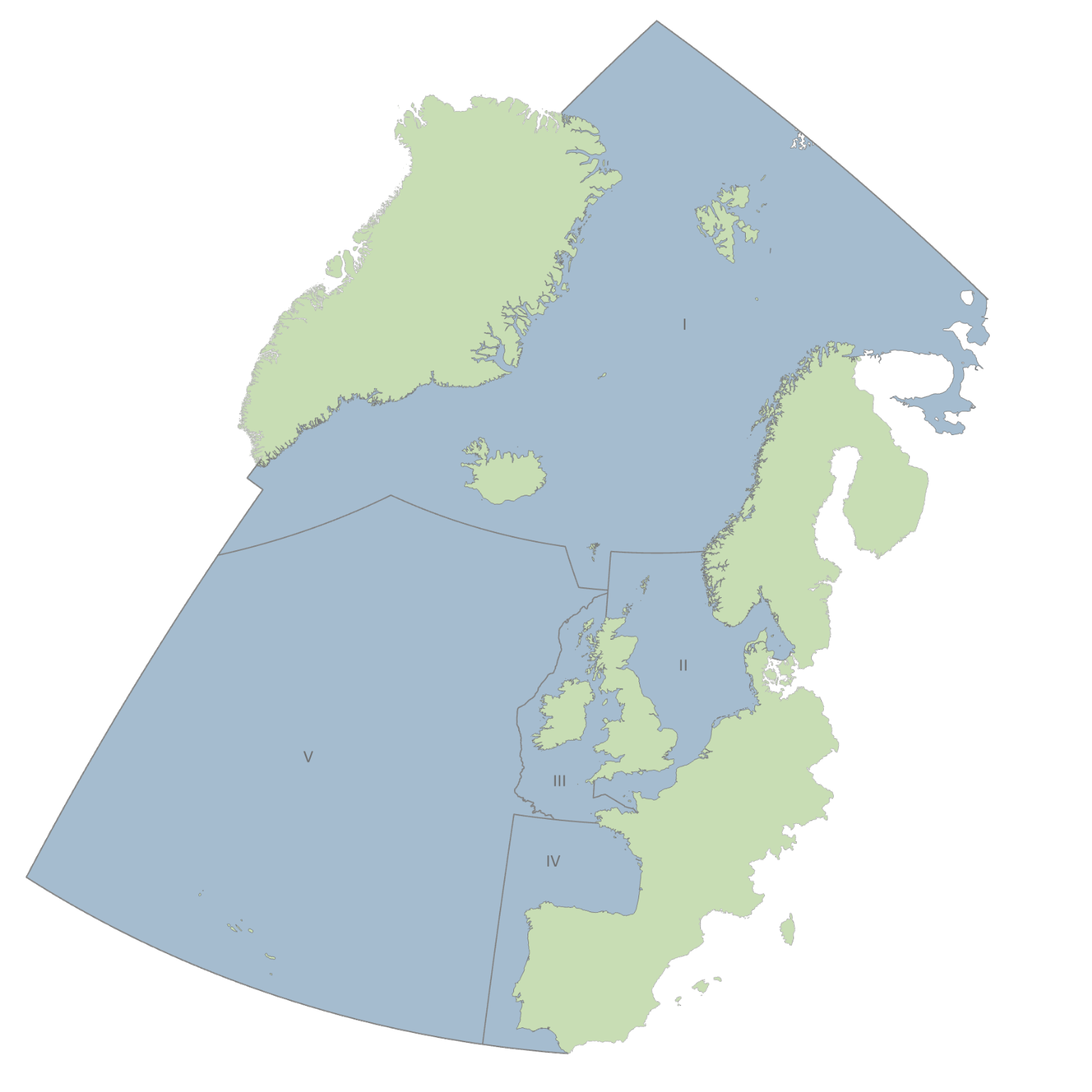
OSPAR Region: All Regions
Source of knowledge gap: QSR2023 - Marine Birds Thematic Assessment
Activities to be included in the assessment of benthic habitats in coastal areas
ID Number: BB20.01
Knowledge gap description: The assessment is limited to some offshore structures, trawling and aggregate extraction. Other activities (e.g., capital dredging, disposal of sediments, coastal
defence structures or shipping infrastructure) that may be an important factor in coastal areas, are not yet included.
Topics:
Knowledge Gap Category:
1. indicator development, 4. data coverage
Assessment Category:
Pilot assessment
Relevant for MSFD Art 8:
D6C4
Implementation Status
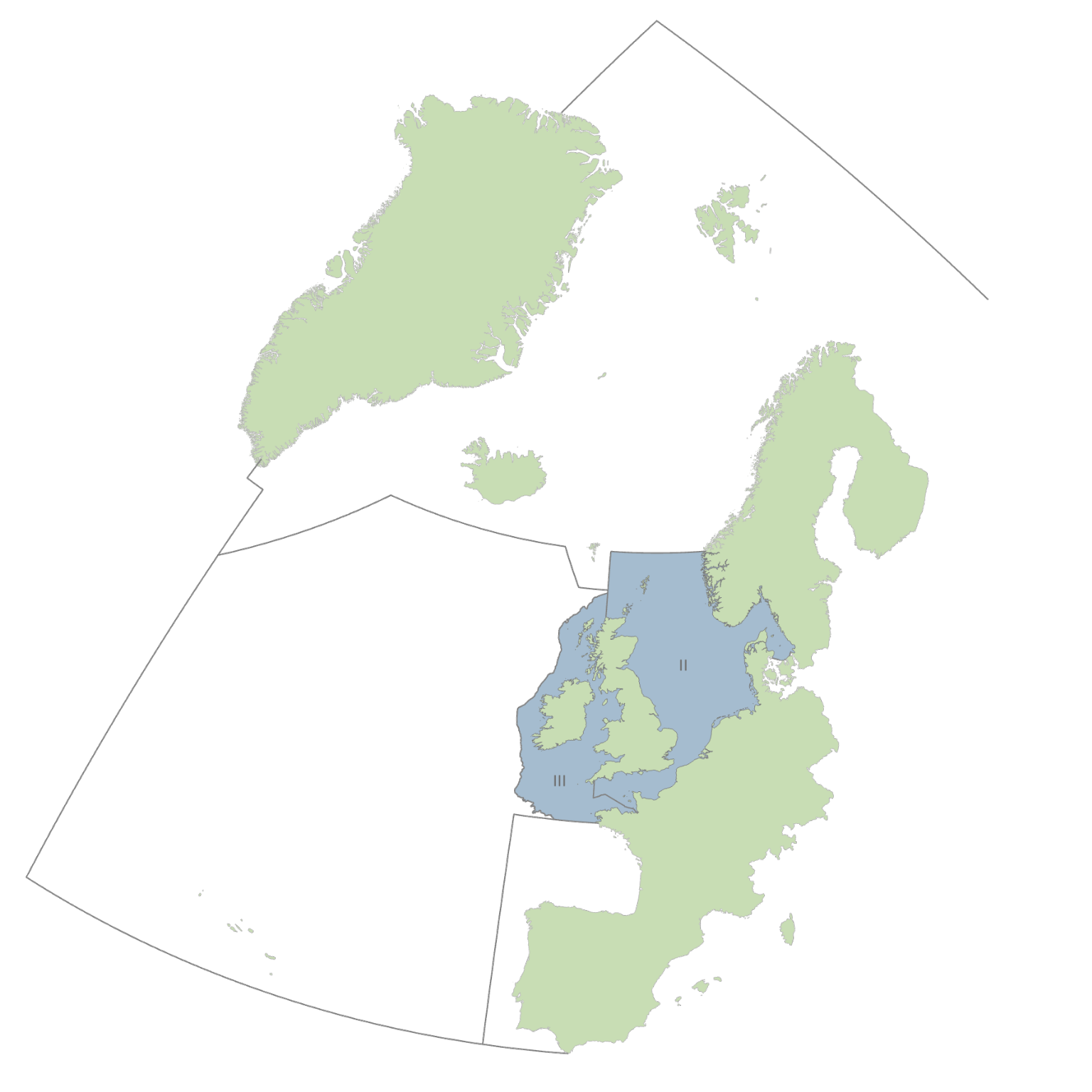
OSPAR Region: Greater North Sea, Celtic Seas
Source of knowledge gap: QSR2023 - Pilot Assessment of Area of Habitat Loss
Information gaps on the distribution and intensity of activities and habitat types
ID Number: BB20.02
Knowledge gap description: There are information gaps on the distribution and intensity of activities and habitat types. Particularly, current data is insufficient for producing a risk assessment for aggregate extraction.
Knowledge Gap Category:
1. indicator development, 4. data coverage
Assessment Category:
Pilot assessment
Relevant for MSFD Art 8:
D6C4
Implementation Status
OSPAR Region: Greater North Sea, Celtic Seas
Source of knowledge gap: QSR2023 - Pilot Assessment of Area of Habitat Loss
Assessment of spatial distribution and intensity of pressure by fishing vessels < 12 m and increasing spatial resolution of VMS data
ID Number: BB20.03
Knowledge gap description: Assessment of spatial distribution and intensity of pressure by fishing vessels < 12 m and increasing spatial resolution of VMS data will improve the assessment of bottom trawling. Also relevant for indicators BH1, BH2b and BH3a.
Knowledge Gap Category:
4. data coverage
Assessment Category:
Pilot assessment
Relevant for MSFD Art 8:
D6C4
Implementation Status
OSPAR Region: Greater North Sea, Celtic Seas
Source of knowledge gap: QSR2023 - Pilot Assessment of Area of Habitat Loss
Calibration of categories proposed for trawling and dredging intensities
ID Number: BB20.04
Knowledge gap description: Some methodological improvements are needed: calibration of categories proposed for trawling and dredging intensities, supported by ground truthing of sites with estimated high risk or the evaluation of sediment changes due to different intensities of fishing or extraction.
Knowledge Gap Category:
1. indicator development
Assessment Category:
Pilot assessment
Relevant for MSFD Art 8:
D6C4
Implementation Status
OSPAR Region: Greater North Sea, Celtic Seas
Source of knowledge gap: QSR2023 - Pilot Assessment of Area of Habitat Loss
Clear definitions of EUNIS habitats and harmonisation of the broad habitat classification
ID Number: BB20.07
Knowledge gap description: Further regional-level work should focus on clear definitions of European nature information system (EUNIS) habitats and a harmonisation of the broad habitat classification at least throughout the Greater North Sea. Relevant for all BH indicator assessments.
Topics:
Knowledge Gap Category:
3. assessment areas
Assessment Category:
Pilot assessment
Relevant for MSFD Art 8:
D6C4
Implementation Status
OSPAR Region: Greater North Sea, Celtic Seas
Source of knowledge gap: QSR2023 - Pilot Assessment of Area of Habitat Loss
Data on threatened and/or declining habitats.
ID Number: BB20.08
Knowledge gap description: Improve the data base on Threatened and/or declining habitats. Also relevant for BH3.
Topics:
Knowledge Gap Category:
3. assessment areas
Assessment Category:
Pilot assessment
Relevant for MSFD Art 8:
D6C4
Implementation Status
OSPAR Region: Greater North Sea, Celtic Seas
Source of knowledge gap: QSR2023 - Pilot Assessment of Area of Habitat Loss
Thresholds values for benthic habitat
ID Number: BB20.09
Knowledge gap description: Threshold values have not yet been discussed. Includes also consideration of different threshold values for seabed loss (by structures) and unsealed loss (by sediment changes).
Topics:
Knowledge Gap Category:
2. thresholds & references
Assessment Category:
Pilot assessment
Relevant for MSFD Art 8:
D6C4
Implementation Status
OSPAR Region: Greater North Sea, Celtic Seas
Source of knowledge gap: QSR2023 - Pilot Assessment of Area of Habitat Loss
Ecosystem components not regularly monitored but important food resources
ID Number: BB27.02
Knowledge gap description: Consider how to deal with ecosystem components that were not regularly monitored but important food resources in the food web. Data lacking for: biomass data on organisms < 1mm (e.g., bacteria, meiofauna); essential food resources for benthic species and smaller demersal fish species.
Knowledge Gap Category:
4. data coverage
Assessment Category:
Pilot assessment
Relevant for MSFD Art 8:
D4C1, D4C2, D4C3, D4C4
Implementation Status
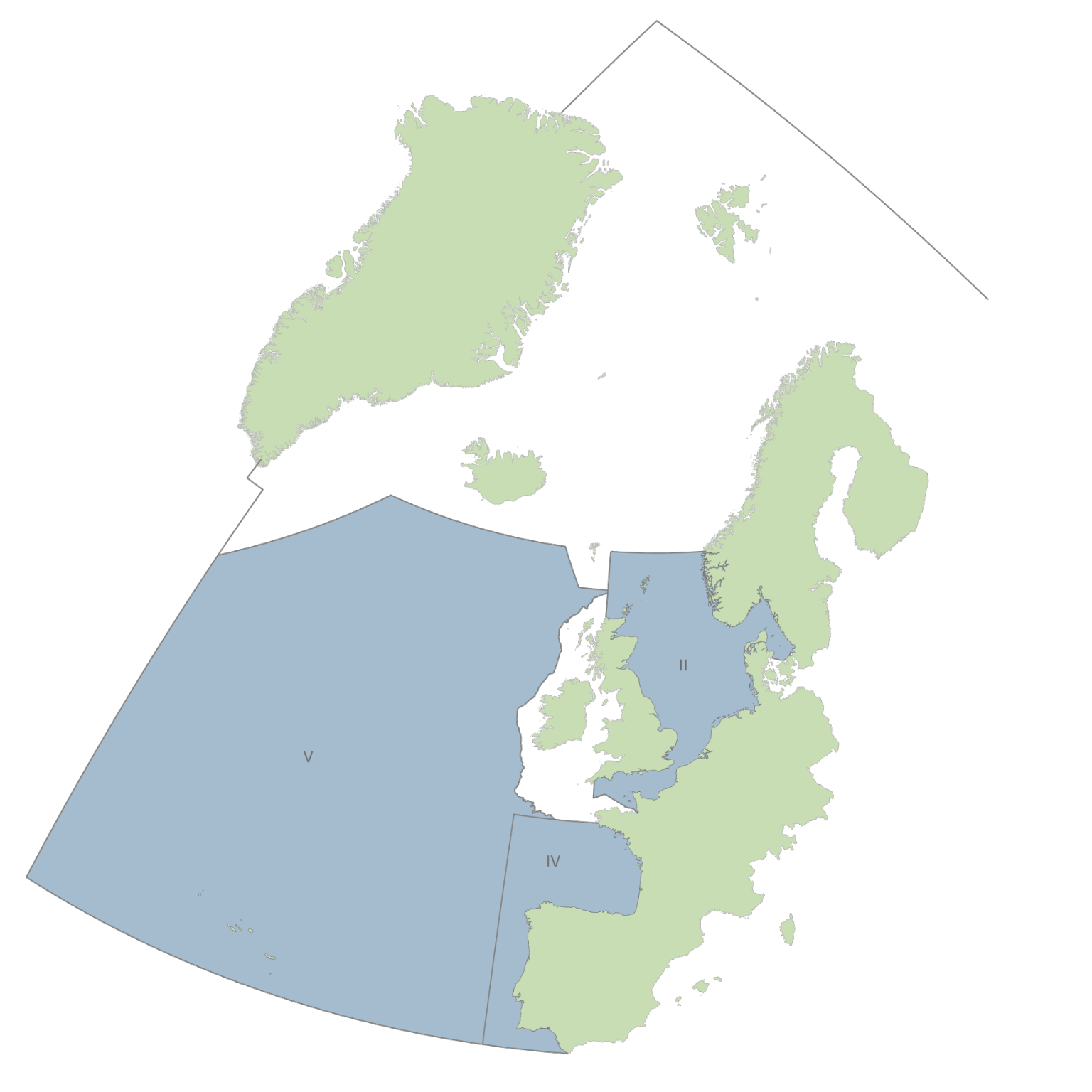
OSPAR Region: Greater North Sea, Bay of Biscay and Iberian Coast, Wider Atlantic
Source of knowledge gap: QSR2023 - Pilot Assessment of Ecological Network Analysis Indices
Coherence in assassment methods and data availability
ID Number: BB08.01
Knowledge gap description: There are improvements needed to achieve coherence and data availability. There are heterogeneities between indicators and assessment methods that limit inter-calibration and comparison of results at wider regional and European scales. Relevant work should be coordinated at a (sub)-regional scale to ensure coherence and facilitate the data flow for OSPAR assessment to be used in parallel for EU Member States’ reporting requirements (WFD, MSFD and HD).
Topics:
Knowledge Gap Category:
4. data coverage
Assessment Category:
Common indicator assessment
Relevant for MSFD Art 8:
D5C6, D5C7, D5C8
Implementation Status
OSPAR Region: All Regions
Source of knowledge gap: QSR2023 - Condition of Benthic Habitat Communities: Assessment of some Coastal Habitats in Relation to Nutrient and/or Organic Enrichment
Fine-scale monitoring
ID Number: BB08.02
Knowledge gap description: Most Contracting Parties conduct large-scale marine benthic monitoring. But there are gaps in finer-scale networks of state-pressure relationship assessment areas that need investigation.
Topics:
Knowledge Gap Category:
4. data coverage
Assessment Category:
Common indicator assessment
Relevant for MSFD Art 8:
D5C6, D5C7, D5C8
Implementation Status
OSPAR Region: All Regions
Source of knowledge gap: QSR2023 - Condition of Benthic Habitat Communities: Assessment of some Coastal Habitats in Relation to Nutrient and/or Organic Enrichment
Definition of threshold values
ID Number: BB08.01a
Knowledge gap description: Thresholds: It is unclear where the exact threshold value for good quality status should be.
Topics:
Knowledge Gap Category:
2. thresholds & references
Assessment Category:
Common indicator assessment
Relevant for MSFD Art 8:
D6C5
Implementation Status
OSPAR Region: All Regions
Source of knowledge gap: QSR2023 - Condition of Benthic Habitat Communities: Margalef diversity in Region II (Greater North Sea)
Relative Margalef diversity results compared to other indicator assessment results
ID Number: BB08.01b
Knowledge gap description: Thresholds: Understand how Relative Margalef diversity results compare to other indicator assessment results (investigate differences in sensitivity and indicator value of indicators to various presures and combinations under various conditions).
Topics:
Knowledge Gap Category:
2. thresholds & references
Assessment Category:
Common indicator assessment
Relevant for MSFD Art 8:
D6C5
Implementation Status
OSPAR Region: All Regions
Source of knowledge gap: QSR2023 - Condition of Benthic Habitat Communities: Margalef diversity in Region II (Greater North Sea)
understanding of the effect of combining observation data
ID Number: BB08.02a
Knowledge gap description: Optimisation of standardisation: Get better understanding of the effect of combining observation data obtained with different techniques in large scale quality assessment.
Topics:
Knowledge Gap Category:
2. thresholds & references
Assessment Category:
Common indicator assessment
Relevant for MSFD Art 8:
D6C5
Implementation Status
OSPAR Region: All Regions
Source of knowledge gap: QSR2023 - Condition of Benthic Habitat Communities: Margalef diversity in Region II (Greater North Sea)
Integration of environmental gradients when estimating reference values and comparability of assessment results
ID Number: BB08.02b
Knowledge gap description: Optimisation of standardisation: Understand how to integrate known important environmental gradients with impact on diversity when estimating reference values; and, understand what does the use of reference value gradients determined on the basis of environmental gradients mean with regards to comparability of assessment results between different areas (Broad Habitat Types, BHTs, and/or Assessment Units (AUs)).
Topics:
Knowledge Gap Category:
2. thresholds & references
Assessment Category:
Common indicator assessment
Relevant for MSFD Art 8:
D6C5
Implementation Status
OSPAR Region: All Regions
Source of knowledge gap: QSR2023 - Condition of Benthic Habitat Communities: Margalef diversity in Region II (Greater North Sea)
Better identification of the role of pressure impacts and ‘natural’ disturbances
ID Number: BB08.03a
Knowledge gap description: Pressure impacts/natural disturbances: There is a need to better identify the role of pressure impacts (other than physical disturbances by fisheries) and ‘natural’ disturbances since they can have substantial impact on benthic habitat quality and should be considered in quality assessments like Relative Margalef diversity.
Topics:
Knowledge Gap Category:
1. indicator development
Assessment Category:
Common indicator assessment
Relevant for MSFD Art 8:
D6C5
Implementation Status
OSPAR Region: All Regions
Source of knowledge gap: QSR2023 - Condition of Benthic Habitat Communities: Margalef diversity in Region II (Greater North Sea)
Impact of pressues on the relative Margalef diversity
ID Number: BB08.03b
Knowledge gap description: Pressure impacts/natural disturbances: It should be investigated to what extent the Relative Margalef diversity responds to each of the pressures and whether one pressure impact might overrule the other.
Topics:
Knowledge Gap Category:
1. indicator development
Assessment Category:
Common indicator assessment
Relevant for MSFD Art 8:
D6C5
Implementation Status
OSPAR Region: All Regions
Source of knowledge gap: QSR2023 - Condition of Benthic Habitat Communities: Margalef diversity in Region II (Greater North Sea)
Standard approach for integrated assessment of Pressure impacts/natural disturbances
ID Number: BB08.03c
Knowledge gap description: Pressure impacts/natural disturbances: Develop standard approach for integrated assessment (e.g. an OSPAR CEMP) considering the BH assessment framework there is.
Topics:
Knowledge Gap Category:
1. indicator development
Assessment Category:
Common indicator assessment
Relevant for MSFD Art 8:
D6C5
Implementation Status
OSPAR Region: All Regions
Source of knowledge gap: QSR2023 - Condition of Benthic Habitat Communities: Margalef diversity in Region II (Greater North Sea)
Develop and communicate on how to achieve a more integrated assessment
ID Number: BB08.01
Knowledge gap description: Develop and communicate how sub-applications (BH2a, BH2b, BH2c,...) are contributing to a more integrated assessment, through this common approach, notably when combined with other BH indicators (BH1, BH3x, BH4, ...) according to Elliott et al (2018) published method. This is a methodological task, also including description of monitoring and data flows required, as described in EcApRHA Benthic integration deliverables
Topics:
Knowledge Gap Category:
1. indicator development
Assessment Category:
Common indicator assessment
Relevant for MSFD Art 8:
N/A
Implementation Status
OSPAR Region: All Regions
Source of knowledge gap: QSR2023 - Condition of Benthic Habitat Communities: The Common Conceptual Approach
Standardisation of habitat data
ID Number: BB09.01
Knowledge gap description: Habitat data: An absence of agreed standardisation for habitat data submissions throughout the OSPAR Maritime Area, in particular those collected by industries, for example as part of licensing requirements
Topics:
Knowledge Gap Category:
4. data coverage
Assessment Category:
Common indicator assessment
Relevant for MSFD Art 8:
D6C3, D6C5
Implementation Status
OSPAR Region: All Regions
Source of knowledge gap: QSR2023 - Extent of Physical Disturbance to Benthic Habitats: Aggregate Extraction
Availability of habitat data and associated benthic community
ID Number: BB09.02
Knowledge gap description: Habitat data: Habitat data and associated benthic community data are not always accessible where pressure was reported.
Topics:
Knowledge Gap Category:
4. data coverage
Assessment Category:
Common indicator assessment
Relevant for MSFD Art 8:
D6C3, D6C5
Implementation Status
OSPAR Region: All Regions
Source of knowledge gap: QSR2023 - Extent of Physical Disturbance to Benthic Habitats: Aggregate Extraction
Availability of historic data from OSPAR Threatened and/or Declining Habitats
ID Number: BB09.03
Knowledge gap description: Historic data from OSPAR Threatened and/or Declining Habitats are not always available to use in assessments. This type of data can be very useful for predictive habitat models and to improve our knowledge of past distribution of those habitats
Topics:
Knowledge Gap Category:
3. assessment areas
Assessment Category:
Common indicator assessment
Relevant for MSFD Art 8:
D6C3, D6C5
Implementation Status
OSPAR Region: All Regions
Source of knowledge gap: QSR2023 - Extent of Physical Disturbance to Benthic Habitats: Aggregate Extraction
Limited data on deep-sea habitats and habitat extent in some areas
ID Number: BB09.04
Knowledge gap description: Habitat data: Habitat extent may have been underreported in areas such as the deep-sea in areas with limited data.
Topics:
Knowledge Gap Category:
3. assessment areas
Assessment Category:
Common indicator assessment
Relevant for MSFD Art 8:
D6C3, D6C5
Implementation Status
OSPAR Region: All Regions
Source of knowledge gap: QSR2023 - Extent of Physical Disturbance to Benthic Habitats: Aggregate Extraction
Availability of high-resolution habitat data
ID Number: BB09.05
Knowledge gap description: Habitat data: High-resolution habitat data were not publicly available in some areas, due to data usage constraints and data confidentiality.
Topics:
Knowledge Gap Category:
4. data coverage
Assessment Category:
Common indicator assessment
Relevant for MSFD Art 8:
D6C3, D6C5
Implementation Status
OSPAR Region: All Regions
Source of knowledge gap: QSR2023 - Extent of Physical Disturbance to Benthic Habitats: Aggregate Extraction
Standardization of habitat classification and translations between commonly used habitat classifications.
ID Number: BB09.06
Knowledge gap description: Habitat data: An agreed OSPAR-scale standardised habitat classification, with accurate translations to wider classification systems, are needed to facilitate integrated assessments across the OSPAR Maritime Area. Additional work is needed to facilitate translations between commonly used habitat classifications to ensure OSPAR benthic indicator interoperability.
Topics:
Knowledge Gap Category:
1. indicator development
Assessment Category:
Common indicator assessment
Relevant for MSFD Art 8:
D6C3, D6C5
Implementation Status
OSPAR Region: All Regions
Source of knowledge gap: QSR2023 - Extent of Physical Disturbance to Benthic Habitats: Aggregate Extraction