OSPAR Science Agenda Knowledge Gap Portal
Welcome to the OSPAR Science Agenda knowledge gap portal. The page showcases important scientific questions and evidence needs identified by OSPAR to help protect and sustainably manage the North-East Atlantic. Use the filters and search options below to explore knowledge gaps by topic, category, region, and status, or browse visually to discover areas where new research, data, or collaborations are needed. The aim is to make it easy for anyone - scientists, funders, and policy makers to understand the current priorities, access key details, and get involved in helping to close these important gaps for a healthier ocean future.
Showing 51 - 75 of 100 items
Spatial resolution of the Vessel Monitoring (VMS) data
ID Number: BB21.03a
Knowledge gap description: Pressures: Increasing the spatial resolution of the Vessel Monitoring (VMS) data would improve the confidence in BH1 assessment results, especially in areas geomorphologically complex such as the Iberian Peninsula.
Knowledge Gap Category:
4. data coverage
Assessment Category:
Common indicator assessment
Relevant for MSFD Art 8:
D6C3
Implementation Status
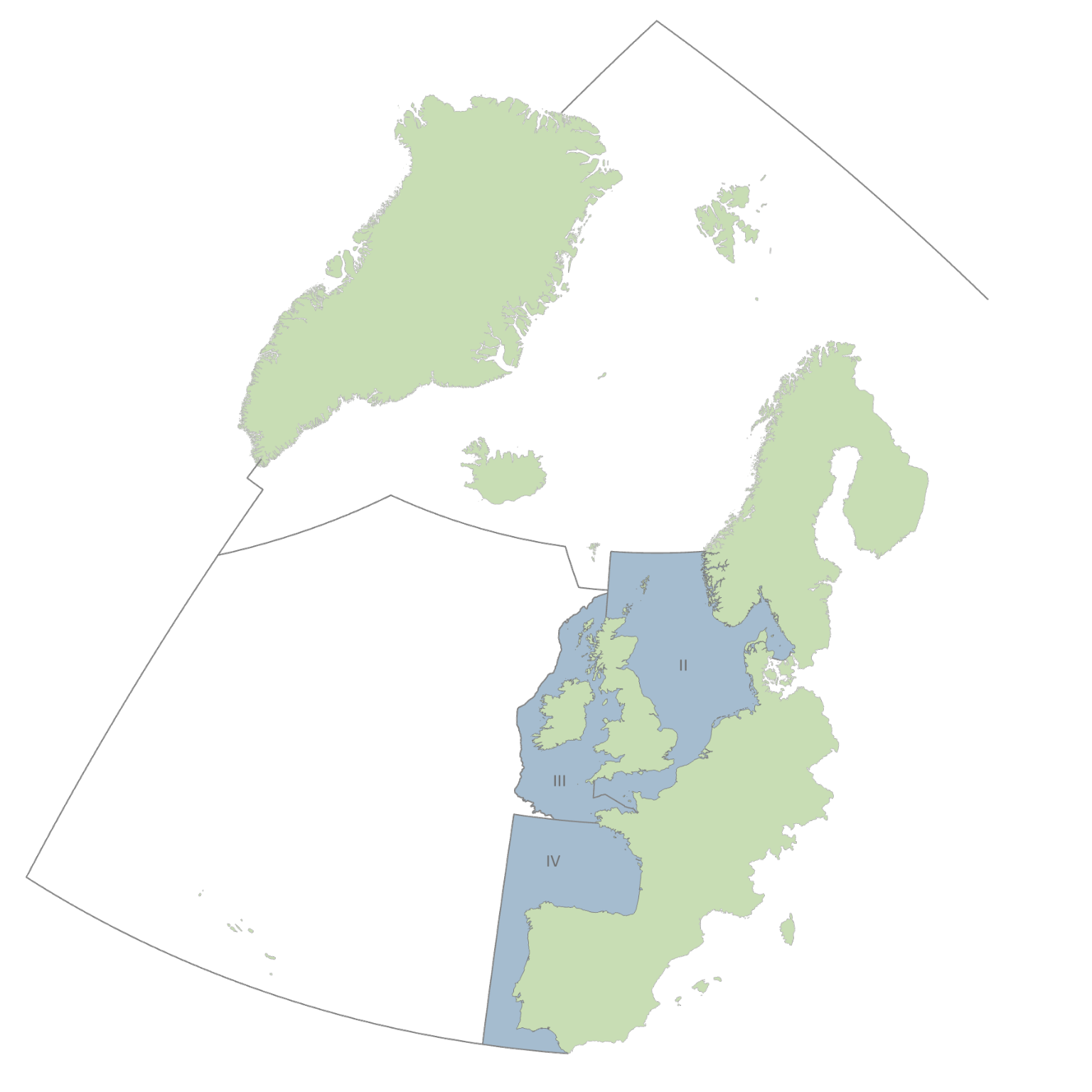
OSPAR Region: Greater North Sea, Celtic Seas, Bay of Biscay and Iberian Coast
Source of knowledge gap: QSR2023 - Sentinels of the Seabed
Accuracy of estimates of trawling effort
ID Number: BB21.03b
Knowledge gap description: Pressures: Trawling effort may have been overestimated in some areas where vessel speeds were reduced during manoeuvres not linked to commercial bottom fishing (such as entering/exiting ports or during adverse weather conditions), but were erroneously are attributed to trawling.
Knowledge Gap Category:
4. data coverage
Assessment Category:
Common indicator assessment
Relevant for MSFD Art 8:
D6C3
Implementation Status
OSPAR Region: Greater North Sea, Celtic Seas, Bay of Biscay and Iberian Coast
Source of knowledge gap: QSR2023 - Sentinels of the Seabed
Inclusion of Inshore Vessel Monitoring Systems data.
ID Number: BB21.03c
Knowledge gap description: Pressures: Inclusion of Inshore Vessel Monitoring Systems (I-VMS) data in assessments would increase the confidence of assessments in inshore waters, where smaller vessels are most likely to operate.
Knowledge Gap Category:
4. data coverage
Assessment Category:
Common indicator assessment
Relevant for MSFD Art 8:
D6C3
Implementation Status
OSPAR Region: Greater North Sea, Celtic Seas, Bay of Biscay and Iberian Coast
Source of knowledge gap: QSR2023 - Sentinels of the Seabed
Information on Benthic species abundance
ID Number: BB21.04a
Knowledge gap description: Biological samples: Benthic species abundance information was not available for some units, limiting assessment of the total area using BH1 as an empirical indicator. So, in the units without species monitoring data, the BH1 is applied by extrapolating the information from the pressure-state curves of the North Iberian Atlantic unit to these units, which reduces the confidence of the assessment in these units.
Topics:
Knowledge Gap Category:
4. data coverage
Assessment Category:
Common indicator assessment
Relevant for MSFD Art 8:
D6C3
Implementation Status
OSPAR Region: Greater North Sea, Celtic Seas, Bay of Biscay and Iberian Coast
Source of knowledge gap: QSR2023 - Sentinels of the Seabed
Sentinels of seabed: monitoring of benthic species in the Gulf of Biscay and South Iberian Atlantic
ID Number: BB21.04b
Knowledge gap description: Biological samples: Increasing monitoring of benthic species (for biomass and abundance) in the common Indicator Assessment units, specifically in the Gulf of Biscay and South Iberian Atlantic, would improve the confidence and accuracy of BH1. The creation of standardised Benthic Monitoring Programmes would help increase data coverage.
Topics:
Knowledge Gap Category:
4. data coverage
Assessment Category:
Common indicator assessment
Relevant for MSFD Art 8:
D6C3
Implementation Status
OSPAR Region: Greater North Sea, Celtic Seas, Bay of Biscay and Iberian Coast
Source of knowledge gap: QSR2023 - Sentinels of the Seabed
Common criteria for defining quality thresholds values
ID Number: BB21.05a
Knowledge gap description: Thresholds/Indicators: OSPAR has to agree on common criteria for defining quality thresholds for all the indicators that assess the impact on the Benthic Broad Habitat Types (BBHT)s.
Topics:
Knowledge Gap Category:
2. thresholds & references
Assessment Category:
Common indicator assessment
Relevant for MSFD Art 8:
D6C3
Implementation Status
OSPAR Region: Greater North Sea, Celtic Seas, Bay of Biscay and Iberian Coast
Source of knowledge gap: QSR2023 - Sentinels of the Seabed
Sentinels of seabed: assessment of environmental variables and other pressures
ID Number: BB21.05b
Knowledge gap description: Thresholds/Indicators: The BH1 indicator needs to explore the incorporation of (a) environmental variables and (b) other pressures into its analyses to achieve a quantitative and integrated assessment with low uncertainties for the next assessment cycle.
Topics:
Knowledge Gap Category:
1. indicator development
Assessment Category:
Common indicator assessment
Relevant for MSFD Art 8:
D6C3
Implementation Status
OSPAR Region: Greater North Sea, Celtic Seas, Bay of Biscay and Iberian Coast
Source of knowledge gap: QSR2023 - Sentinels of the Seabed
Sentinels of seabed: residual environmental variability and abundance of sentinel species.
ID Number: BB21.05c
Knowledge gap description: Environmental variables can affect the proportional abundance of sentinel species. The variability of main environmental variables (sediment and depth) is limited within most of the MSFD broad habitats, but it will be useful if BH1 assessment method explore to account for residual environmental variability by including more factors in the analysis. This may increase the model's accuracy, improving the prediction models.
Topics:
Knowledge Gap Category:
5. cumulative effects & integration
Assessment Category:
Common indicator assessment
Relevant for MSFD Art 8:
D6C3
Implementation Status
OSPAR Region: Greater North Sea, Celtic Seas, Bay of Biscay and Iberian Coast
Source of knowledge gap: QSR2023 - Sentinels of the Seabed
Sentinels of seabed: assessment of cumulative impacts
ID Number: BB21.06
Knowledge gap description: Other pressures: In areas affected for more than one pressure, BH1 assessment efforts should be directed to see how to deal with this situation (cumulative impacts).
Topics:
Knowledge Gap Category:
5. cumulative effects & integration
Assessment Category:
Common indicator assessment
Relevant for MSFD Art 8:
D6C3
Implementation Status
OSPAR Region: Greater North Sea, Celtic Seas, Bay of Biscay and Iberian Coast
Source of knowledge gap: QSR2023 - Sentinels of the Seabed
Interactions between science and policy
ID Number: TBC
Knowledge gap description: More working and scientific policy interactions are still needed, at both regional-sea and European levels. The coordination and additional resources shared through common projects are key to enabling this work to proceed under commonly agreed and defined timelines and priorities.
Topics:
Knowledge Gap Category:
5. cumulative effects & integration
Assessment Category:
Thematic assessment
Relevant for MSFD Art 8:
N/A
Implementation Status
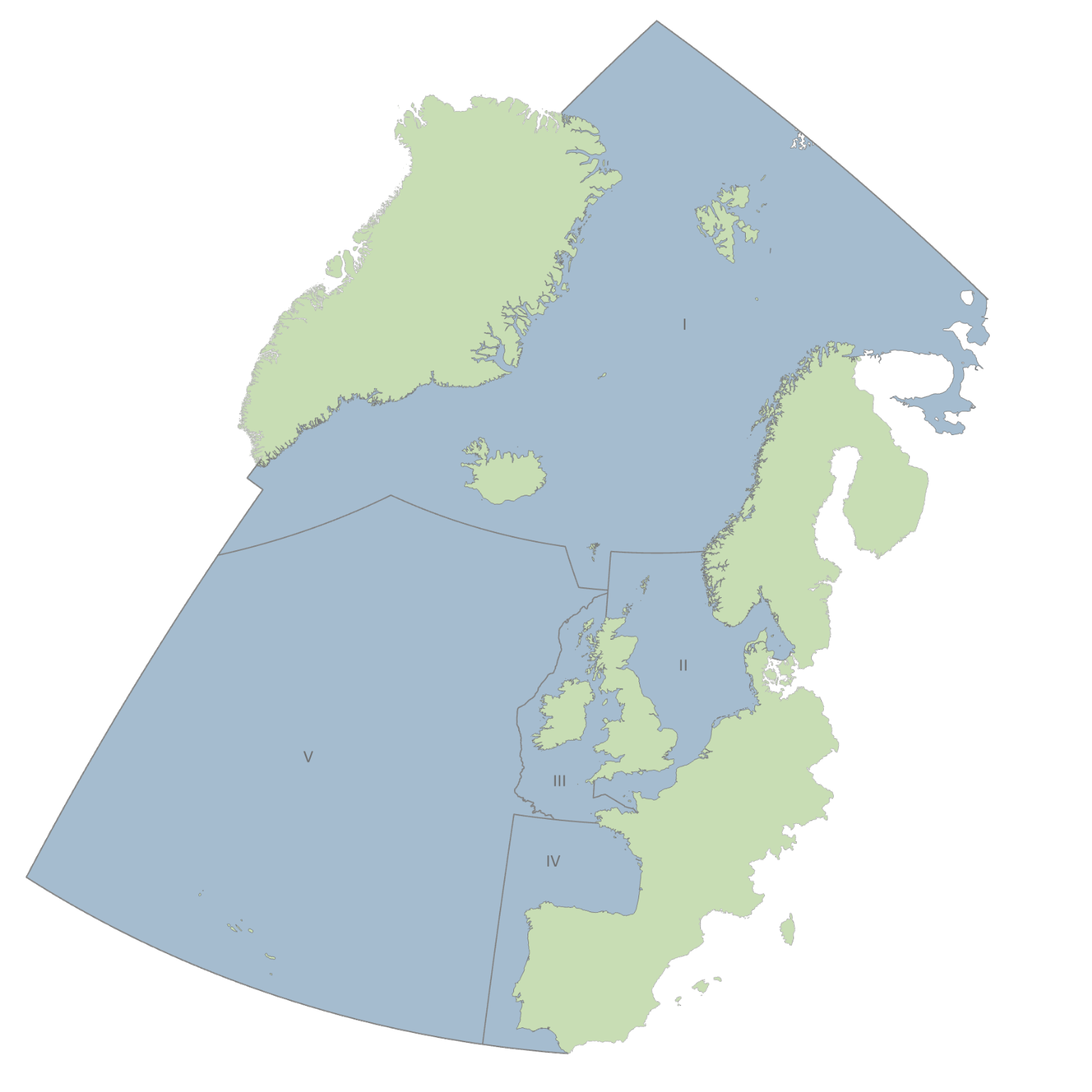
OSPAR Region: All Regions
Source of knowledge gap: QSR2023 - Benthic Habitats Thematic Assessment
Improvement of monitoring and progress on the scientific policy process for integrated assessment
ID Number: TBC
Knowledge gap description: Greatly improved monitoring and progress on the scientific policy process itself are needed to enable sufficient technical, methodological and management progress towards a more integrated assessment, as well as provide information and evidence to support evaluation of the efficiency of management measures.
Topics:
Knowledge Gap Category:
5. cumulative effects & integration
Assessment Category:
Thematic assessment
Relevant for MSFD Art 8:
N/A
Implementation Status
OSPAR Region: All Regions
Source of knowledge gap: QSR2023 - Benthic Habitats Thematic Assessment
Climate change predictions to assess future impacts of benthic habitats
ID Number: TBC
Knowledge gap description: Climate Change: There are some uncertainties in the climate change predictions, which will require additional research in order to increase accuracy on the future impacts of benthic habitats, particularly along the coastline.
Knowledge Gap Category:
4. data coverage
Assessment Category:
Thematic assessment
Relevant for MSFD Art 8:
D6C4, D6C5
Implementation Status
OSPAR Region: All Regions
Source of knowledge gap: QSR2023 - Benthic Habitats Thematic Assessment
Monitoring programs to measure the effects of climate change and ocean acidification on benthic habitats and species
ID Number: TBC
Knowledge gap description: Climate Change: There is not always a wide range of datasets available to systematically measure the effects of climate change and ocean acidification on benthic habitats and species, due to the paucity of the monitoring programme.
Knowledge Gap Category:
4. data coverage
Assessment Category:
Thematic assessment
Relevant for MSFD Art 8:
D6C4, D6C5
Implementation Status
OSPAR Region: All Regions
Source of knowledge gap: QSR2023 - Benthic Habitats Thematic Assessment
Climate change: Acquisition of information on habitats
ID Number: TBC
Knowledge gap description: Climate Change: For example, carbonate mounds, Haploops habitat and Cymodocea meadows were excluded due to the lack of information available within the Marine Evidence based Sensitivity Assessment (MarESA) sources.
Knowledge Gap Category:
4. data coverage
Assessment Category:
Thematic assessment
Relevant for MSFD Art 8:
D6C4, D6C5
Implementation Status
OSPAR Region: All Regions
Source of knowledge gap: QSR2023 - Benthic Habitats Thematic Assessment
Climate Change: predictions of future trends for the condition of deep-sea sponge aggregations
ID Number: TBC
Knowledge gap description: Climate Change: The predictions of future trends (2020-2030) for the condition of deep-sea sponge aggregations are challenging. Future environmental conditions in the OSPAR Maritime Area may contribute to deterioration in the condition of deep-sea sponge aggregations. However, further research is needed to advance scientific knowledge on this front.
Knowledge Gap Category:
4. data coverage
Assessment Category:
Thematic assessment
Relevant for MSFD Art 8:
D6C4, D6C5
Implementation Status
OSPAR Region: All Regions
Source of knowledge gap: QSR2023 - Benthic Habitats Thematic Assessment
Impacts of climate change and ocean acidification on carbonate mounds
ID Number: TBC
Knowledge gap description: Climate Change: Climate change and ocean acidification impacts on carbonate mounds remain unknown.
Knowledge Gap Category:
4. data coverage
Assessment Category:
Thematic assessment
Relevant for MSFD Art 8:
D6C4, D6C5
Implementation Status
OSPAR Region: All Regions
Source of knowledge gap: QSR2023 - Benthic Habitats Thematic Assessment
Impacts of ocean acidification on coral gardens
ID Number: TBC
Knowledge gap description: Climate Change: The current and immediate future impacts on coral gardens from ocean acidification are difficult to quantify. Predictions tend not to take into account the potential increased vulnerability of early life stages to ocean acidification.
Knowledge Gap Category:
4. data coverage
Assessment Category:
Thematic assessment
Relevant for MSFD Art 8:
D6C4, D6C5
Implementation Status
OSPAR Region: All Regions
Source of knowledge gap: QSR2023 - Benthic Habitats Thematic Assessment
Adaptation of adult vent organisms to climate change.
ID Number: TBC
Knowledge gap description: Climate Change: Although adult vent organisms are adapted to oscillations and variable low pH, high temperature and low oxygen in vent fluids, it is not known whether species are adapted to permanent change in environmental variables.
Knowledge Gap Category:
4. data coverage
Assessment Category:
Thematic assessment
Relevant for MSFD Art 8:
D6C4, D6C5
Implementation Status
OSPAR Region: All Regions
Source of knowledge gap: QSR2023 - Benthic Habitats Thematic Assessment
Effectiveness of measures to improve the status of benthic habitats
ID Number: TBC
Knowledge gap description: It is difficult to measure the effectiveness of measures to improve the status of benthic habitats, due to the multiple activities and pressures involved, and because the effects of measures on the recovery of habitats
may take a long time to become evident.
Topics:
Knowledge Gap Category:
6. effectiveness of measures
Assessment Category:
Thematic assessment
Relevant for MSFD Art 8:
D6C4, D6C5
Implementation Status
OSPAR Region: All Regions
Source of knowledge gap: QSR2023 - Benthic Habitats Thematic Assessment
Effects of climate change on deep-sea ecosystems
ID Number: TBC
Knowledge gap description: Limited understanding of the effects of climate change on deep-sea ecosystems. Climate change and ocean acidification is increasing but evidence of impacts since the Quality Status Report (QSR) 2010 assessment is still lacking.(Note that this is relevant for all deep sea benthic habitats).
Knowledge Gap Category:
4. data coverage
Assessment Category:
Status assessment
Relevant for MSFD Art 8:
D6C4, D6C5
Implementation Status
OSPAR Region: All Regions
Source of knowledge gap: QSR2023 - Status Assessment 2022 - Coral Gardens
Knowledge on baseline conditions and natural variability
ID Number: TBC
Knowledge gap description: Knowledge on baseline conditions (in “pristine” areas) and natural variability is lacking
Topics:
Knowledge Gap Category:
4. data coverage
Assessment Category:
Status assessment
Relevant for MSFD Art 8:
D6C4, D6C5
Implementation Status
OSPAR Region: All Regions
Source of knowledge gap: QSR2023 - Status Assessment 2022 - Deep-sea sponge aggregations
Nature, behaviour and distribution of deep-sea sponge larvae and effect of change in ocean circulation
ID Number: TBC
Knowledge gap description: In terms of life history characteristics major knowledge gaps exist regarding the nature, behaviour and distribution of deep-sea sponge larvae as well as how changes in ocean circulation (e.g., basin scale shifts and environmental conditions) affect larval distribution and connectivity among deep-sea sponge populations. Note that this is relevant for Corals as well - both Coral gardens and Cold Water Corals.
Topics:
Knowledge Gap Category:
4. data coverage
Assessment Category:
Status assessment
Relevant for MSFD Art 8:
D6C4, D6C5
Implementation Status
OSPAR Region: All Regions
Source of knowledge gap: QSR2023 - Status Assessment 2022 - Deep-sea sponge aggregations
Genetic connectivity between sponge ground
ID Number: TBC
Knowledge gap description: More generally, information on genetic connectivity between sponge grounds is lacking.
Topics:
Knowledge Gap Category:
4. data coverage
Assessment Category:
Status assessment
Relevant for MSFD Art 8:
D6C4, D6C5
Implementation Status
OSPAR Region: All Regions
Source of knowledge gap: QSR2023 - Status Assessment 2022 - Deep-sea sponge aggregations
Longevity, growth rates, fecundity and reproductive patterns of deep-sea sponges
ID Number: TBC
Knowledge gap description: Longevity, growth rates, fecundity and reproductive patterns are also important population dynamic gaps that are fundamental to model and predict effects on the populations and habitats.
Topics:
Knowledge Gap Category:
4. data coverage
Assessment Category:
Status assessment
Relevant for MSFD Art 8:
D6C4, D6C5
Implementation Status
OSPAR Region: All Regions
Source of knowledge gap: QSR2023 - Status Assessment 2022 - Deep-sea sponge aggregations
The impacts of climate-related stressors on the health of deep-sea sponges
ID Number: TBC
Knowledge gap description: Experimental work assessing the (synergistic) impacts of climate-related stressors on the health of deep-sea sponges will substantially advance the scientific knowledge about the status of deep-sea sponge aggregations under future environmental conditions e.g. climate change.
Knowledge Gap Category:
4. data coverage
Assessment Category:
Status assessment
Relevant for MSFD Art 8:
D6C4, D6C5
Implementation Status
OSPAR Region: All Regions
Source of knowledge gap: QSR2023 - Status Assessment 2022 - Deep-sea sponge aggregations