
OSPAR Science Agenda Knowledge Gap Portal
Welcome to the OSPAR Science Agenda knowledge gap portal. The page showcases important scientific questions and evidence needs identified by OSPAR to help protect and sustainably manage the North-East Atlantic. Use the filters and search options below to explore knowledge gaps by topic, category, region, and status, or browse visually to discover areas where new research, data, or collaborations are needed. The aim is to make it easy for anyone - scientists, funders, and policy makers to understand the current priorities, access key details, and get involved in helping to close these important gaps for a healthier ocean future.
Showing 76 - 100 of 539 items
Marine mammals data are needed to forecast future trends in the OSPAR maritime Area
ID Number: BB31.08
Knowledge gap description: More data acquisition is needed from the Greater North Sea (Region II) to the Wider Atlantic (Region V) in order to forecast future trends at the entire OSPAR scale.
Topics:
Knowledge Gap Category:
4. data coverage
Assessment Category:
Thematic assessment
Relevant for MSFD Art 8:
N/A
Implementation Status
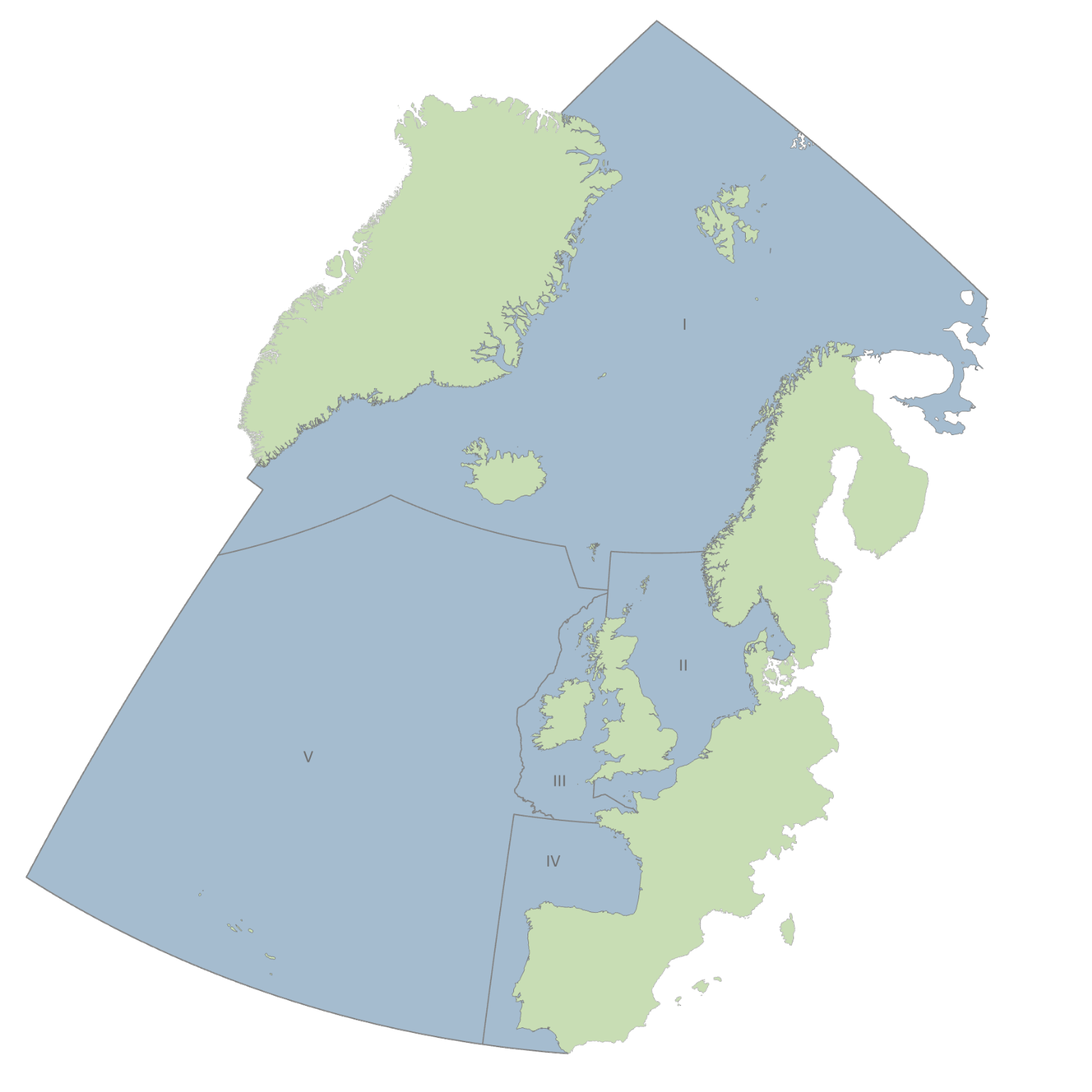
OSPAR Region: All Regions
Source of knowledge gap: QSR2023 - Marine Mammals Thematic Assessment
Inadequate marine mammal by-catch monitoring
ID Number: BB31.09
Knowledge gap description: Marine mammal by-catch monitoring and management is inadequate. Management needs objectives (especially thresholds for incidental by-catch of proacted species, above which the risk of not meeting conservation objectives is unacceptable) to be set according to conservation objectives. However, these conservation objectives have not been set yet.
Knowledge Gap Category:
2. thresholds & references
Assessment Category:
Thematic assessment
Relevant for MSFD Art 8:
D1C1
Implementation Status
OSPAR Region: All Regions
Source of knowledge gap: QSR2023 - Marine Mammals Thematic Assessment
Evidence base on impact of marine litter on marine mammals
ID Number: BB31.10
Knowledge gap description: Marine litter can impact mammals by entanglement and ingestion. The Second Regional Action Plan on Marine Litter will cover the development of an evidence base to understand harm.
Knowledge Gap Category:
4. data coverage
Assessment Category:
Thematic assessment
Relevant for MSFD Art 8:
D1C2, D10C4
Implementation Status
OSPAR Region: All Regions
Source of knowledge gap: QSR2023 - Marine Mammals Thematic Assessment
Impacts of hazardous substances on small cetaceans
ID Number: BB31.11
Knowledge gap description: There are large knowledge gaps and heterogeneity of data related to impacts of hazardous substances (i.e., conclusion that small toothed cetaceans are at risk of toxicity from legacy pollutants such as Polychlorinated Biphenyls (PCBs)) that prevented integration of this information into the overall assessment of marine mammals.
Knowledge Gap Category:
4. data coverage
Assessment Category:
Thematic assessment
Relevant for MSFD Art 8:
D1C2, D8C2
Implementation Status
OSPAR Region: All Regions
Source of knowledge gap: QSR2023 - Marine Mammals Thematic Assessment
Harmonised PCB protocols
ID Number: BB31.12
Knowledge gap description: There is an urgent need for structural and harmonised protocols for PCB (Polychlorinated Biphenyl) data acquisition. This includes the list of congeners and the tissue matrix analysed, as well as integration on a spatial scale to allow geographical comparison. Future scientific efforts should focus on filling the existing gaps and homogenize the information at OSPAR scale.
Knowledge Gap Category:
4. data coverage
Assessment Category:
Thematic assessment
Relevant for MSFD Art 8:
D1C2, D8C2
Implementation Status
OSPAR Region: All Regions
Source of knowledge gap: QSR2023 - Marine Mammals Thematic Assessment
Lack of data on deep-diving toothed cetaceans
ID Number: BB31.13
Knowledge gap description: Assessment units for deep-diving toothed cetaceans need to be defined to enable future assessments. Their current status is unknown. There is a lack of data to inform the indicators.
Topics:
Knowledge Gap Category:
1. indicator development
Assessment Category:
Thematic assessment
Relevant for MSFD Art 8:
D1C4
Implementation Status
OSPAR Region: All Regions
Source of knowledge gap: QSR2023 - Marine Mammals Thematic Assessment
Limited data and time series on baleen whales, deep-diving cetaceans and seals
ID Number: BB31.14
Knowledge gap description: The statuses are unknown, due to limited data and time series, of: 1. baleen whales and deep-diving toothed cetaceans in the OSPAR Maritime Area (with data available only in the Greater North Sea (Region II), Celtic Seas (Region III) and Bay of Biscay and Iberian Coast (Region IV)); and, 2. seals in the Celtic Seas are unknown.
Topics:
Knowledge Gap Category:
4. data coverage
Assessment Category:
Thematic assessment
Relevant for MSFD Art 8:
D1C1, D1C2, D1C3, D1C4
Implementation Status
OSPAR Region: All Regions
Source of knowledge gap: QSR2023 - Marine Mammals Thematic Assessment
Lack of data on small toothed cetaceans
ID Number: BB31.15
Knowledge gap description: Small toothed cetacean species common indicator outcomes: several were unknown because of scarce data.
Topics:
Knowledge Gap Category:
4. data coverage
Assessment Category:
Thematic assessment
Relevant for MSFD Art 8:
D1C1, D1C2, D1C3, D1C4
Implementation Status
OSPAR Region: All Regions
Source of knowledge gap: QSR2023 - Marine Mammals Thematic Assessment
Unknown reasons for distribution trends of grey seals in Norway
ID Number: BB31.16
Knowledge gap description: Grey seal pup production: There are increasing trend in northern Norway and a recent decline in southern part of the Norwegian coast in Arctic waters, but the reason form these opposing trends is not known.
Topics:
Knowledge Gap Category:
4. data coverage
Assessment Category:
Thematic assessment
Relevant for MSFD Art 8:
D1C3
Implementation Status
OSPAR Region: All Regions
Source of knowledge gap: QSR2023 - Marine Mammals Thematic Assessment
Impacts from noise on marine mammals
ID Number: BB31.17
Knowledge gap description: There is a need to consider the potential impacts of noise on marine mammals from offshore wind developments, particularly impulsive noise from pile driving of foundations.
Knowledge Gap Category:
4. data coverage
Assessment Category:
Thematic assessment
Relevant for MSFD Art 8:
D1C2, D11C2, D11C2
Implementation Status
OSPAR Region: All Regions
Source of knowledge gap: QSR2023 - Marine Mammals Thematic Assessment
Need for monitoring of marine mammals to understand impact of tourism and recreation
ID Number: BB31.18
Knowledge gap description: Monitoring is needed to evaluate tourism and recreation pressure and impact.
Knowledge Gap Category:
4. data coverage
Assessment Category:
Thematic assessment
Relevant for MSFD Art 8:
D1C2
Implementation Status
OSPAR Region: All Regions
Source of knowledge gap: QSR2023 - Marine Mammals Thematic Assessment
Cumulative effects on marine mammals
ID Number: BB31.19
Knowledge gap description: Cumulative effects: OSPAR needs to consider causes and consequences of changes in ecosystem state more holistically (recognising consequences of measures and interactions of pressures).
Topics:
Knowledge Gap Category:
5. cumulative effects & integration
Assessment Category:
Thematic assessment
Relevant for MSFD Art 8:
N/A
Implementation Status
OSPAR Region: All Regions
Source of knowledge gap: QSR2023 - Marine Mammals Thematic Assessment
Target human activities to reduce pressures and impact
ID Number: BB31.20
Knowledge gap description: Consider how human activities could be best targeted to reduce pressures and impacts within an Ecosystem Approach.
Knowledge Gap Category:
6. effectiveness of measures
Assessment Category:
Thematic assessment
Relevant for MSFD Art 8:
D1C2
Implementation Status
OSPAR Region: All Regions
Source of knowledge gap: QSR2023 - Marine Mammals Thematic Assessment
Blue whale migration routes
ID Number: TBC
Knowledge gap description: Migration routes and exchange between the Northwest and Northeast Atlantic
Topics:
Knowledge Gap Category:
4. data coverage
Assessment Category:
Status assessment
Relevant for MSFD Art 8:
D1C4
Implementation Status
OSPAR Region: All Regions
Source of knowledge gap: QSR2023 - Status Assessment 2020 - Blue Whale
Impacts from human activities on blue whale
ID Number: TBC
Knowledge gap description: Impact of human activities such as shipping, underwater noise, entanglement and contaminants on species
Knowledge Gap Category:
5. cumulative effects & integration
Assessment Category:
Status assessment
Relevant for MSFD Art 8:
D1C2, D11C1, D11C2
Implementation Status
OSPAR Region: All Regions
Source of knowledge gap: QSR2023 - Status Assessment 2020 - Blue Whale
Bowhead whale stok information
ID Number: TBC
Knowledge gap description: Information on stock and its relationship to other stocks
Topics:
Knowledge Gap Category:
4. data coverage
Assessment Category:
Status assessment
Relevant for MSFD Art 8:
D1C3
Implementation Status
OSPAR Region: All Regions
Source of knowledge gap: QSR2023 - Status Assessment 2020 - Bowhead Whale
Impacts from climate change and human activities on bowhead whale
ID Number: TBC
Knowledge gap description: Effect of melting sea ice and other climate change-induced pressures, including increased human activities in the Arctic
Knowledge Gap Category:
5. cumulative effects & integration
Assessment Category:
Status assessment
Relevant for MSFD Art 8:
D1C2
Implementation Status
OSPAR Region: All Regions
Source of knowledge gap: QSR2023 - Status Assessment 2020 - Bowhead Whale
Feeding interactions between trophic levels
ID Number: BB16.01
Knowledge gap description: Lack of biomass data on benthos and invertebrates is a limitation to calculate the Mean Trophic Level (MTL) indicator for the whole community. Detailed information on feeding interactions is strongly needed. Repeated dietary studies and stable isotope analyses implemented at (sub)regional scale and the computation of trophic level values would help fill in this gap in knowledge.
Topics:
Knowledge Gap Category:
4. data coverage
Assessment Category:
Common indicator assessment
Relevant for MSFD Art 8:
D4C1, D4C2, D4C3, D4C4
Implementation Status
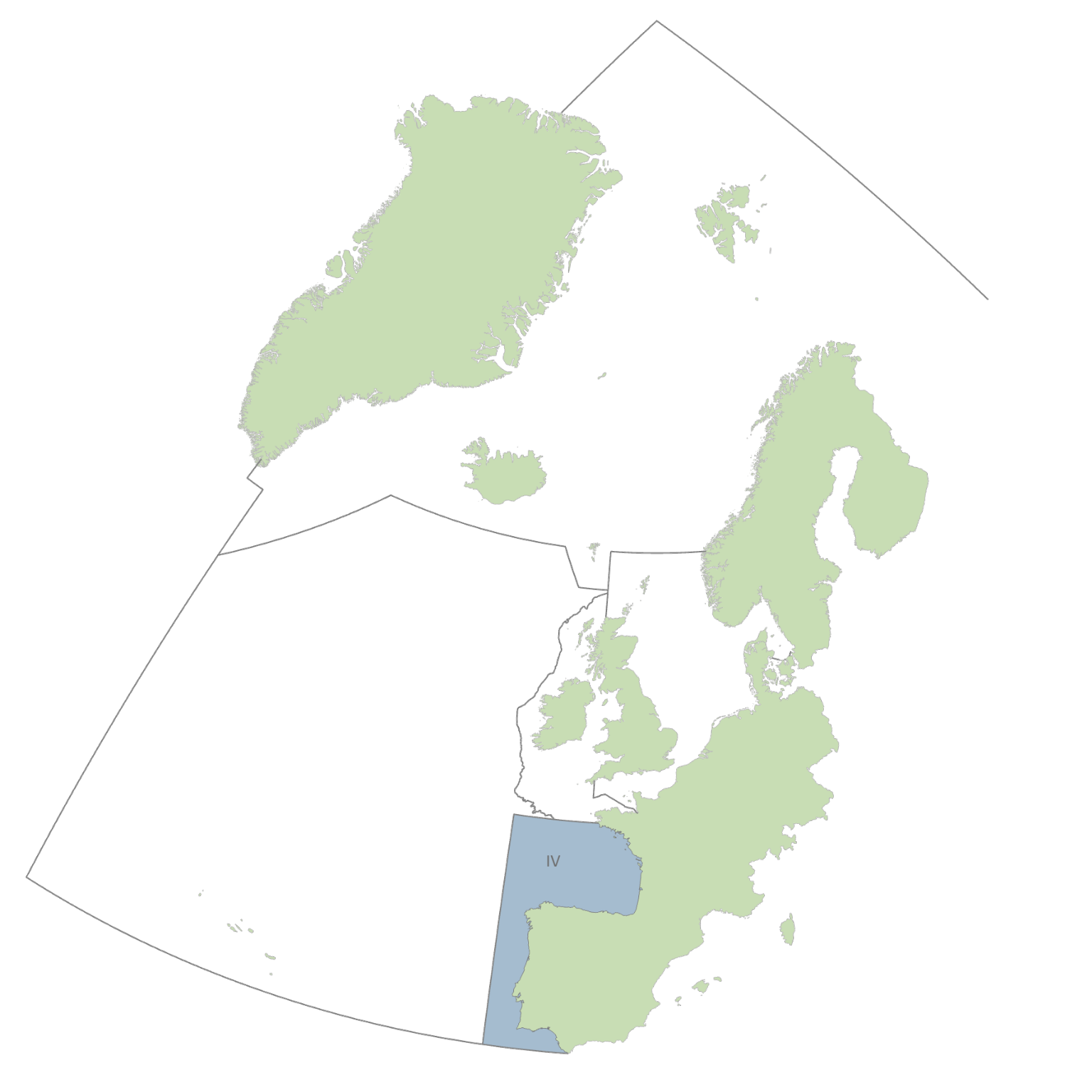
OSPAR Region: Bay of Biscay and Iberian Coast
Source of knowledge gap: QSR2023 - Changes in Average Trophic Level of Marine Consumers
Activities to be included in the assessment of benthic habitats in coastal areas
ID Number: BB20.01
Knowledge gap description: The assessment is limited to some offshore structures, trawling and aggregate extraction. Other activities (e.g., capital dredging, disposal of sediments, coastal
defence structures or shipping infrastructure) that may be an important factor in coastal areas, are not yet included.
Topics:
Knowledge Gap Category:
1. indicator development, 4. data coverage
Assessment Category:
Pilot assessment
Relevant for MSFD Art 8:
D6C4
Implementation Status
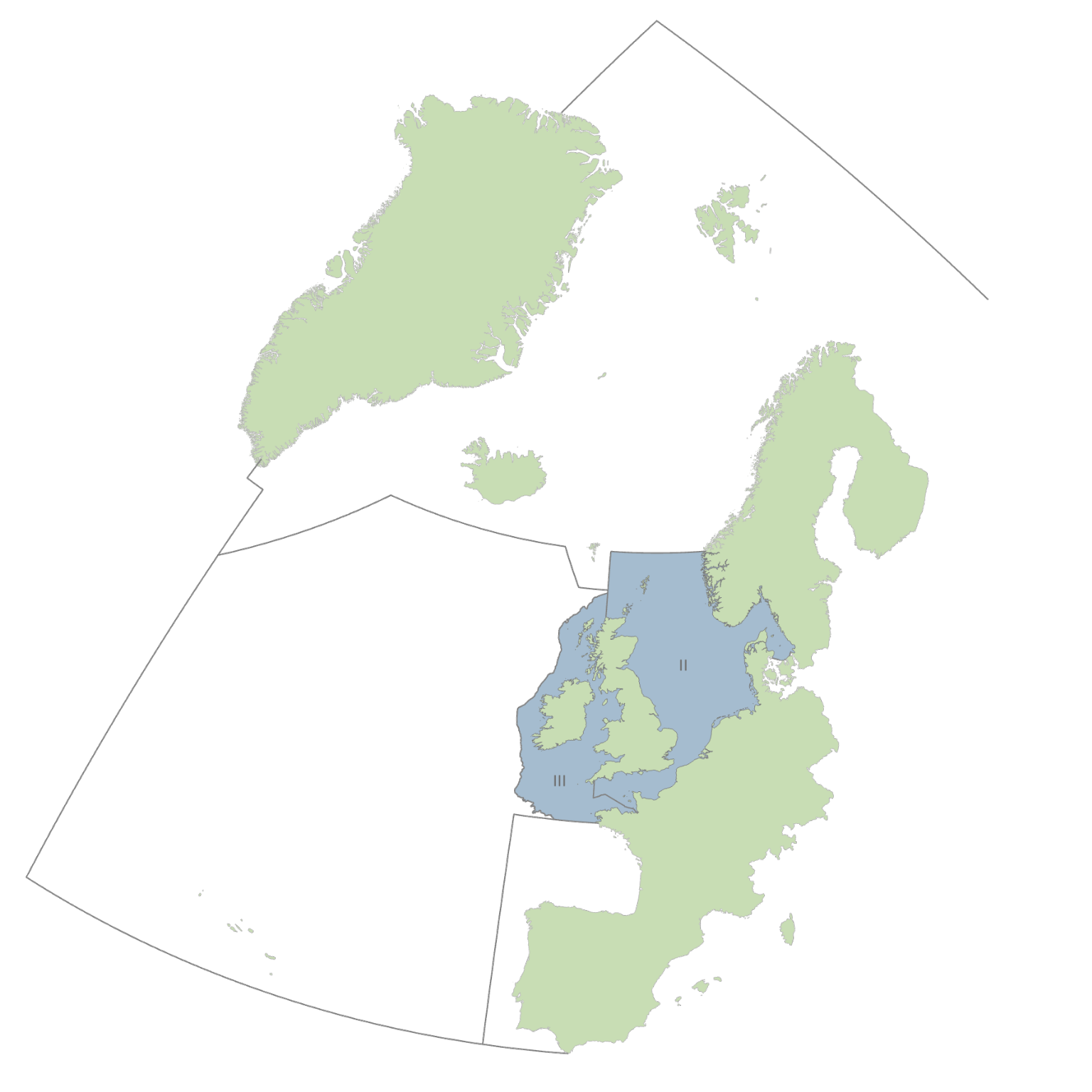
OSPAR Region: Greater North Sea, Celtic Seas
Source of knowledge gap: QSR2023 - Pilot Assessment of Area of Habitat Loss
Information gaps on the distribution and intensity of activities and habitat types
ID Number: BB20.02
Knowledge gap description: There are information gaps on the distribution and intensity of activities and habitat types. Particularly, current data is insufficient for producing a risk assessment for aggregate extraction.
Knowledge Gap Category:
1. indicator development, 4. data coverage
Assessment Category:
Pilot assessment
Relevant for MSFD Art 8:
D6C4
Implementation Status
OSPAR Region: Greater North Sea, Celtic Seas
Source of knowledge gap: QSR2023 - Pilot Assessment of Area of Habitat Loss
Assessment of spatial distribution and intensity of pressure by fishing vessels < 12 m and increasing spatial resolution of VMS data
ID Number: BB20.03
Knowledge gap description: Assessment of spatial distribution and intensity of pressure by fishing vessels < 12 m and increasing spatial resolution of VMS data will improve the assessment of bottom trawling. Also relevant for indicators BH1, BH2b and BH3a.
Knowledge Gap Category:
4. data coverage
Assessment Category:
Pilot assessment
Relevant for MSFD Art 8:
D6C4
Implementation Status
OSPAR Region: Greater North Sea, Celtic Seas
Source of knowledge gap: QSR2023 - Pilot Assessment of Area of Habitat Loss
Calibration of categories proposed for trawling and dredging intensities
ID Number: BB20.04
Knowledge gap description: Some methodological improvements are needed: calibration of categories proposed for trawling and dredging intensities, supported by ground truthing of sites with estimated high risk or the evaluation of sediment changes due to different intensities of fishing or extraction.
Knowledge Gap Category:
1. indicator development
Assessment Category:
Pilot assessment
Relevant for MSFD Art 8:
D6C4
Implementation Status
OSPAR Region: Greater North Sea, Celtic Seas
Source of knowledge gap: QSR2023 - Pilot Assessment of Area of Habitat Loss
Clear definitions of EUNIS habitats and harmonisation of the broad habitat classification
ID Number: BB20.07
Knowledge gap description: Further regional-level work should focus on clear definitions of European nature information system (EUNIS) habitats and a harmonisation of the broad habitat classification at least throughout the Greater North Sea. Relevant for all BH indicator assessments.
Topics:
Knowledge Gap Category:
3. assessment areas
Assessment Category:
Pilot assessment
Relevant for MSFD Art 8:
D6C4
Implementation Status
OSPAR Region: Greater North Sea, Celtic Seas
Source of knowledge gap: QSR2023 - Pilot Assessment of Area of Habitat Loss
Data on threatened and/or declining habitats.
ID Number: BB20.08
Knowledge gap description: Improve the data base on Threatened and/or declining habitats. Also relevant for BH3.
Topics:
Knowledge Gap Category:
3. assessment areas
Assessment Category:
Pilot assessment
Relevant for MSFD Art 8:
D6C4
Implementation Status
OSPAR Region: Greater North Sea, Celtic Seas
Source of knowledge gap: QSR2023 - Pilot Assessment of Area of Habitat Loss
Thresholds values for benthic habitat
ID Number: BB20.09
Knowledge gap description: Threshold values have not yet been discussed. Includes also consideration of different threshold values for seabed loss (by structures) and unsealed loss (by sediment changes).
Topics:
Knowledge Gap Category:
2. thresholds & references
Assessment Category:
Pilot assessment
Relevant for MSFD Art 8:
D6C4
Implementation Status
OSPAR Region: Greater North Sea, Celtic Seas
Source of knowledge gap: QSR2023 - Pilot Assessment of Area of Habitat Loss