
OSPAR Science Agenda Knowledge Gap Portal
Welcome to the OSPAR Science Agenda knowledge gap portal. The page showcases important scientific questions and evidence needs identified by OSPAR to help protect and sustainably manage the North-East Atlantic. Use the filters and search options below to explore knowledge gaps by topic, category, region, and status, or browse visually to discover areas where new research, data, or collaborations are needed. The aim is to make it easy for anyone - scientists, funders, and policy makers to understand the current priorities, access key details, and get involved in helping to close these important gaps for a healthier ocean future.
Showing 26 - 43 of 43 items
Effects of marine litter on populations and species
ID Number: TBC
Knowledge gap description: There is a considerable gap concerning the quantification of effects on the levels of populations and species.
Knowledge Gap Category:
4. data coverage
Assessment Category:
Other assessment
Relevant for MSFD Art 8:
D10C3, D10C4
Implementation Status
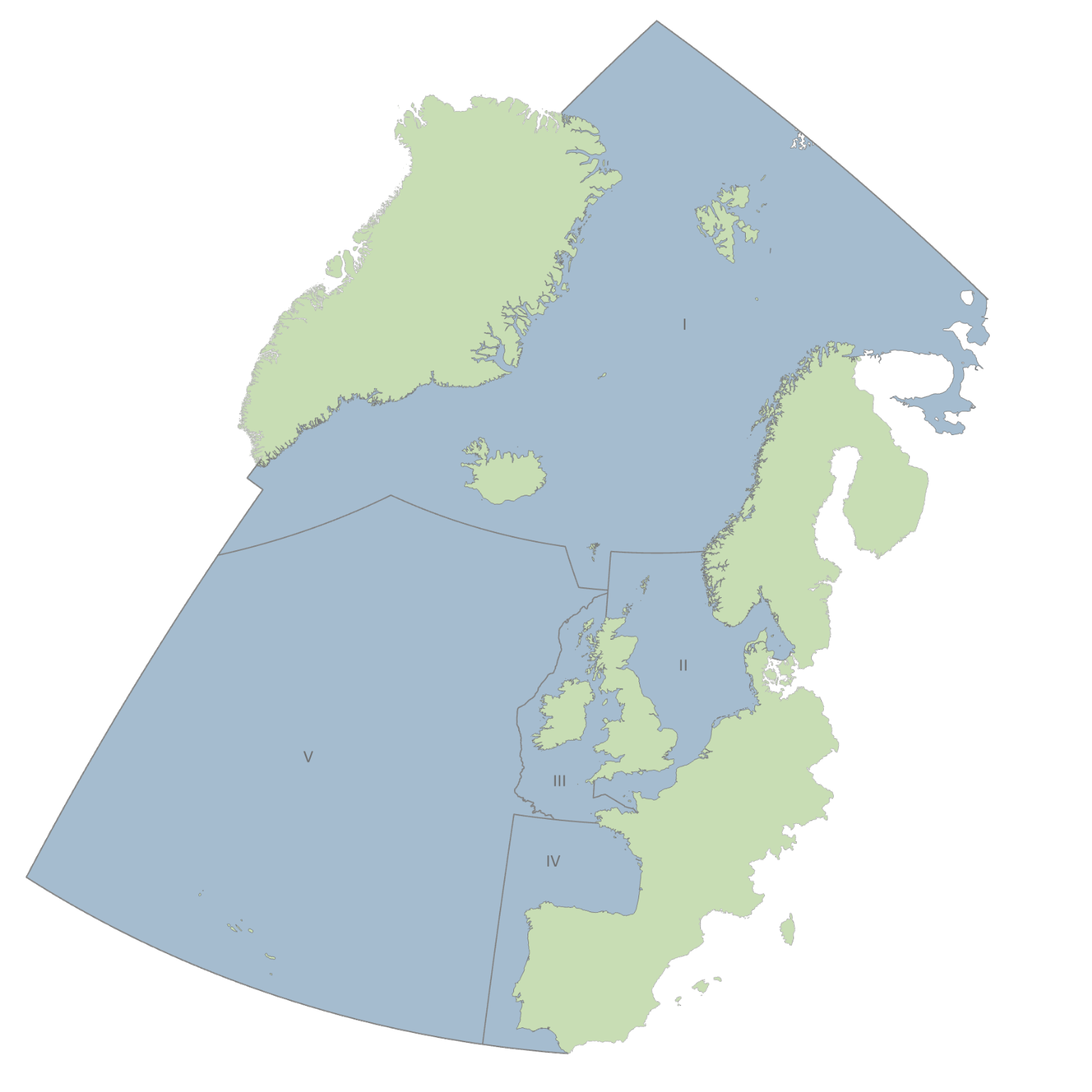
OSPAR Region: All Regions
Source of knowledge gap: QSR2023 - Impacts of marine litter on biota in the OSPAR Maritime Area
Cumulative effects from different pressures, including marine litter
ID Number: TBC
Knowledge gap description: Cumulative effects from different pressures, including on marine litter, have to be set into the context of other anthropogenic factors, driving the deterioration of marine ecosystems in the OSPAR region.
Knowledge Gap Category:
5. cumulative effects & integration
Assessment Category:
Other assessment
Relevant for MSFD Art 8:
N/A
Implementation Status
OSPAR Region: All Regions
Source of knowledge gap: QSR2023 - Impacts of marine litter on biota in the OSPAR Maritime Area
Plastic sources of particular concern
ID Number: TBC
Knowledge gap description: Refine the understanding of which specific sources/types of plastic waste are of particular concern for the marine environment (e.g. because of volume, harm or toxicity), and consider what action can be taken to tackle these.
Knowledge Gap Category:
1. indicator development
Assessment Category:
Other assessment
Relevant for MSFD Art 8:
N/A
Implementation Status
OSPAR Region: All Regions
Source of knowledge gap: QSR2023 - Feeder Report 2021 - Production and Consumption of Plastics
Microlitter in the marine environment
ID Number: TBC
Knowledge gap description: Sources, transport, fate and distribution of microlitter (including microplastics) in the marine environment.
Knowledge Gap Category:
4. data coverage
Assessment Category:
Pilot assessment
Relevant for MSFD Art 8:
D10C2
Implementation Status
OSPAR Region: All Regions
Source of knowledge gap: QSR2023 - Microplastics Candidate Indicator Pilot Assessment
Sediment types impacting retention and transport of microlitter
ID Number: TBC
Knowledge gap description: How do different types of sediment impact retention and transport of microlitter as well as implication for field sampling.
Knowledge Gap Category:
4. data coverage
Assessment Category:
Pilot assessment
Relevant for MSFD Art 8:
D10C2
Implementation Status
OSPAR Region: All Regions
Source of knowledge gap: QSR2023 - Microplastics Candidate Indicator Pilot Assessment
Fluxes of microlitter
ID Number: TBC
Knowledge gap description: Understanding fluxes of microlitter (including microplastics) between different environmental compartments (surface waters, water column, biota and seafloor sediment) and feasibility of mass balance approach.
Knowledge Gap Category:
4. data coverage
Assessment Category:
Pilot assessment
Relevant for MSFD Art 8:
D10C2
Implementation Status
OSPAR Region: All Regions
Source of knowledge gap: QSR2023 - Microplastics Candidate Indicator Pilot Assessment
Microlitter in biota and associated harm
ID Number: TBC
Knowledge gap description: Occurrence and abundance of microlitter (including microplastics) in marine biota and associated harm.
Knowledge Gap Category:
4. data coverage
Assessment Category:
Pilot assessment
Relevant for MSFD Art 8:
D10C3, D10C4
Implementation Status
OSPAR Region: All Regions
Source of knowledge gap: QSR2023 - Microplastics Candidate Indicator Pilot Assessment
Microplastics from offshore infrastructure
ID Number: TBC
Knowledge gap description: Source of microplastics from offshore infrastructures
Knowledge Gap Category:
4. data coverage
Assessment Category:
Pilot assessment
Relevant for MSFD Art 8:
D10C2
Implementation Status
OSPAR Region: All Regions
Source of knowledge gap: QSR2023 - Microplastics Candidate Indicator Pilot Assessment
Riverine data
ID Number: TBC
Knowledge gap description: Riverine data on river inputs
Knowledge Gap Category:
4. data coverage
Assessment Category:
Pilot assessment
Relevant for MSFD Art 8:
D10C2
Implementation Status
OSPAR Region: All Regions
Source of knowledge gap: QSR2023 - Microplastics Candidate Indicator Pilot Assessment
Role of estuaries in inputs of litter to the sea
ID Number: TBC
Knowledge gap description: Clarify the role of estuaries in transferring litter from rivers to the marine environment (likely a big sink instead of transfer).
Knowledge Gap Category:
4. data coverage
Assessment Category:
Other assessment
Relevant for MSFD Art 8:
D10C1, D10C2
Implementation Status
OSPAR Region: All Regions
Source of knowledge gap: QSR2023 - Synthesis of data on riverine macrolitter in OSPAR region II
Distribution of litter in rivers
ID Number: TBC
Knowledge gap description: Research is needed on the distribution of litter across different river compartments and to the fundamental behaviour to explain this distribution.
Knowledge Gap Category:
4. data coverage
Assessment Category:
Other assessment
Relevant for MSFD Art 8:
D10C1, D10C2
Implementation Status
OSPAR Region: All Regions
Source of knowledge gap: QSR2023 - Synthesis of data on riverine macrolitter in OSPAR region II
Harmful fishing activities that need particular focus
ID Number: TBC
Knowledge gap description: Fisheries: OSPAR will continue to identify which fishing activities need particular focus from fisheries management authorities as posing a threat to species, habitats, biodiversity and ecosystems, including pressures affecting sea floor integrity, and litter from fishing activities.
Knowledge Gap Category:
7. emerging issues of human activities
Assessment Category:
Thematic assessment
Relevant for MSFD Art 8:
N/A
Implementation Status
OSPAR Region: All Regions
Source of knowledge gap: QSR2023 - Human Activities Thematic Assessment
Contribution of litter/debris and microplastics in dredge materials
ID Number: BE07.3
Knowledge gap description: Develop and roll out techniques for regular assessment of the contribution of litter / debris and microplastics to adverse impacts of dredged material.
Knowledge Gap Category:
1. indicator development
Assessment Category:
Other assessment
Relevant for MSFD Art 8:
N/A
Implementation Status
OSPAR Region: All Regions
Source of knowledge gap: QSR2023 - Assessment of Data on the Management of Wastes or Other Matter (Dredged Material) 2008 - 2020
Baseline of litter inputs from commercial shipping
ID Number: TBC
Knowledge gap description: There is no reliable baseline of litter inputs from commercial shipping, which makes it unclear what the effectiveness of measures to address plastic litter are.
Knowledge Gap Category:
4. data coverage
Assessment Category:
Other assessment
Relevant for MSFD Art 8:
D10C1, D10C2
Implementation Status
OSPAR Region: All Regions
Source of knowledge gap: QSR2023 - Feeder Report 2021 - Shipping and Ports
Monitoring implementation of measures for management of impacts
ID Number: TBC
Knowledge gap description: OSPAR could consider monitoring implementation of measures for management of impacts (e.g., on ballast water, air pollution, litter) and evidence of success.
Knowledge Gap Category:
6. effectiveness of measures
Assessment Category:
Other assessment
Relevant for MSFD Art 8:
N/A
Implementation Status
OSPAR Region: All Regions
Source of knowledge gap: QSR2023 - Feeder Report 2021 - Shipping and Ports
Consider the significance of newly emerging or poorly understood issues and risks
ID Number: TBC
Knowledge gap description: Consider the significance of newly emerging or poorly understood issues and risks and potential OSPAR involvement (e.g. discharges from scrubbers, microplastics in ship paints; potential increase in risks or impact from collision/accident due to expansion of wind farms or larger ships; better understanding of the impact of ship wakes; effects of new low-sulphur fuels in terms of toxicity and difficulty in clean-up)
Knowledge Gap Category:
7. emerging issues of human activities
Assessment Category:
Other assessment
Relevant for MSFD Art 8:
N/A
Implementation Status
OSPAR Region: All Regions
Source of knowledge gap: QSR2023 - Feeder Report 2021 - Shipping and Ports
Impact of plastic litter on Balearic shearwater
ID Number: TBC
Knowledge gap description: Information on impact of plastics
Topics:
Knowledge Gap Category:
5. cumulative effects & integration
Assessment Category:
Status assessment
Relevant for MSFD Art 8:
D10C4
Implementation Status
OSPAR Region: All Regions
Source of knowledge gap: QSR2023 - Status Assessment 2022 - Balearic shearwater
Review visualisation of the impacts to ecosystem services for all thematic assessments
ID Number: TBC
Knowledge gap description: The visualisation of the impacts to ecosystem services was done for two case studies: Marine Litter and Marine Mammals. The same methodology was applied to all the other thematic assessments but these need to further review.
Knowledge Gap Category:
1. indicator development
Assessment Category:
Other assessment
Relevant for MSFD Art 8:
N/A
Implementation Status
OSPAR Region: All Regions
Source of knowledge gap: QSR2023 - Impacts on ecosystem services due to changes in the state of the environment in the North-East Atlantic Ocean