
OSPAR Science Agenda Knowledge Gap Portal
Welcome to the OSPAR Science Agenda knowledge gap portal. The page showcases important scientific questions and evidence needs identified by OSPAR to help protect and sustainably manage the North-East Atlantic. Use the filters and search options below to explore knowledge gaps by topic, category, region, and status, or browse visually to discover areas where new research, data, or collaborations are needed. The aim is to make it easy for anyone - scientists, funders, and policy makers to understand the current priorities, access key details, and get involved in helping to close these important gaps for a healthier ocean future.
Showing 51 - 60 of 60 items
Impacts of climate change and ocean acidification on benthic habitats
ID Number: TBC
Knowledge gap description: Climate Change: There is not always a wide range of datasets available to systematically measure the effects of climate change and ocean acidification on benthic habitats and species, due to the paucity of the monitoring programme.
Knowledge Gap Category:
4. data coverage
Assessment Category:
Thematic assessment
Relevant for MSFD Art 8:
D6C3, D6C4, D6C5
Implementation Status
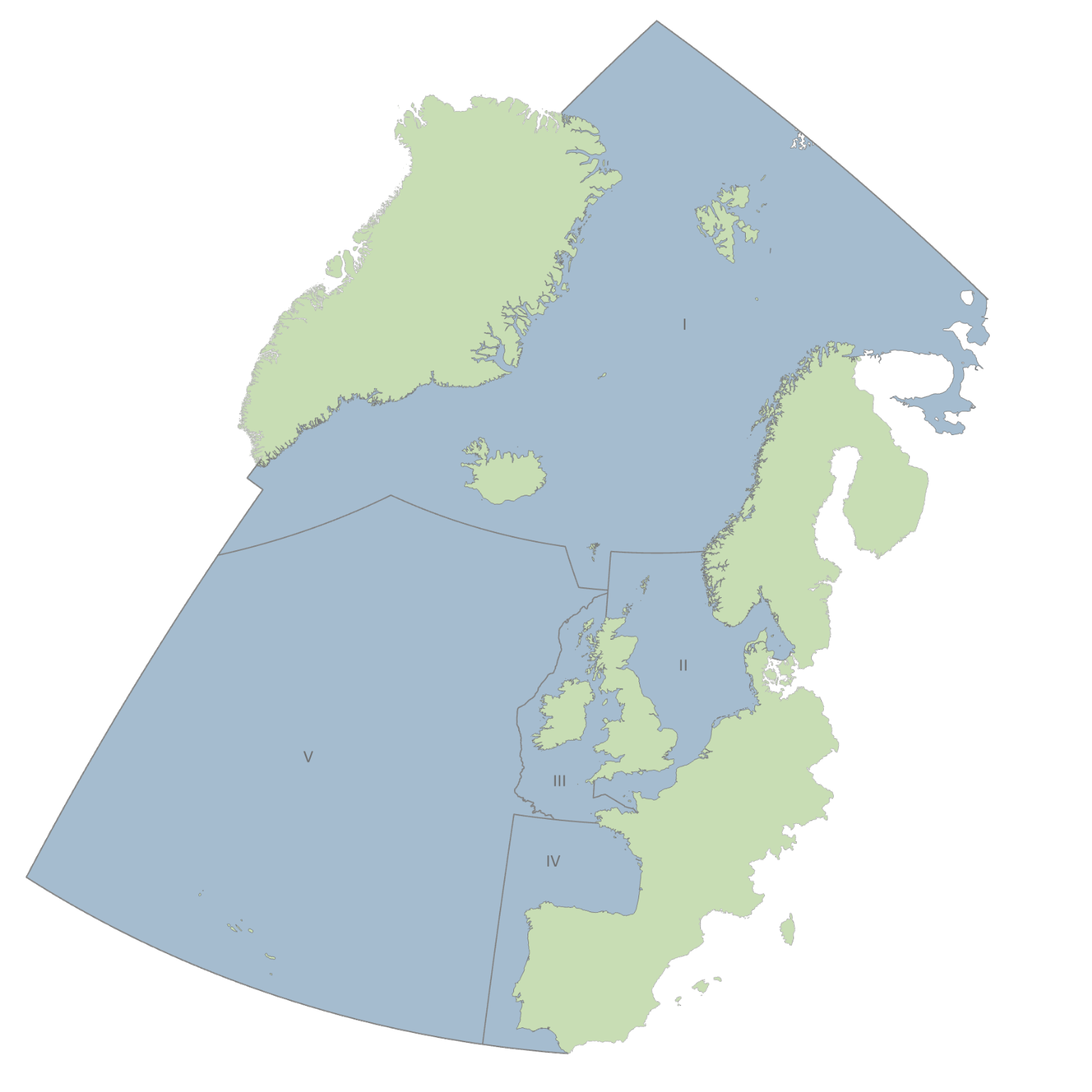
OSPAR Region: All Regions
Source of knowledge gap: QSR2023 - Benthic Habitats Thematic Assessment
Improve data availability on special benthic habitats
ID Number: TBC
Knowledge gap description: Climate Change: For example, carbonate mounds, Haploops habitat and Cymodocea meadows were excluded due to the lack of information available within the Marine Evidence based Sensitivity Assessment (MarESA) sources.
Knowledge Gap Category:
4. data coverage
Assessment Category:
Thematic assessment
Relevant for MSFD Art 8:
D6C3, D6C4, D6C5
Implementation Status
OSPAR Region: All Regions
Source of knowledge gap: QSR2023 - Benthic Habitats Thematic Assessment
Advance scientific knowledge on deep-sea sponge aggregations
ID Number: TBC
Knowledge gap description: Climate Change: The predictions of future trends (2020-2030) for the condition of deep-sea sponge aggregations are challenging. Future environmental conditions in the OSPAR Maritime Area may contribute to deterioration in the condition of deep-sea sponge aggregations. However, further research is needed to advance scientific knowledge on this front.
Knowledge Gap Category:
4. data coverage
Assessment Category:
Thematic assessment
Relevant for MSFD Art 8:
D6C3, D6C4, D6C5
Implementation Status
OSPAR Region: All Regions
Source of knowledge gap: QSR2023 - Benthic Habitats Thematic Assessment
Climate change and ocean acidification impacts on carbonate mounds
ID Number: TBC
Knowledge gap description: Climate Change: Climate change and ocean acidification impacts on carbonate mounds remain unknown.
Knowledge Gap Category:
4. data coverage
Assessment Category:
Thematic assessment
Relevant for MSFD Art 8:
D6C3, D6C4, D6C5
Implementation Status
OSPAR Region: All Regions
Source of knowledge gap: QSR2023 - Benthic Habitats Thematic Assessment
Ocean acidification impacts on coral gardens
ID Number: TBC
Knowledge gap description: Climate Change: The current and immediate future impacts on coral gardens from ocean acidification are difficult to quantify. Predictions tend not to take into account the potential increased vulnerability of early life stages to ocean acidification.
Knowledge Gap Category:
4. data coverage
Assessment Category:
Thematic assessment
Relevant for MSFD Art 8:
D6C3, D6C4, D6C5
Implementation Status
OSPAR Region: All Regions
Source of knowledge gap: QSR2023 - Benthic Habitats Thematic Assessment
Climate change and ocean acidification impacts on hydrothermal vents communities
ID Number: TBC
Knowledge gap description: Climate Change: Although adult vent organisms are adapted to oscillations and variable low pH, high temperature and low oxygen in vent fluids, it is not known whether species are adapted to permanent change in environmental variables.
Knowledge Gap Category:
4. data coverage
Assessment Category:
Thematic assessment
Relevant for MSFD Art 8:
D6C3, D6C4, D6C5
Implementation Status
OSPAR Region: All Regions
Source of knowledge gap: QSR2023 - Benthic Habitats Thematic Assessment
Effectiveness of measures to improve benthic habitats
ID Number: TBC
Knowledge gap description: It is difficult to measure the effectiveness of measures to improve the status of benthic habitats, due to the multiple activities and pressures involved, and because the effects of measures on the recovery of habitats
may take a long time to become evident.
Knowledge Gap Category:
6. effectiveness of measures
Assessment Category:
Thematic assessment
Relevant for MSFD Art 8:
D6C3, D6C4, D6C5
Implementation Status
OSPAR Region: All Regions
Source of knowledge gap: QSR2023 - Benthic Habitats Thematic Assessment
Impacts of human activities on ecological functioning of hydrothermal vents communities
ID Number: TBC
Knowledge gap description: Knowledge gaps of biodiversity, connectivity, life histories (including for example reproduction and growth rates), function and resilience of communities to disturbance and change (e.g. fishing, climate change, potential future deep-seabed mining).
Knowledge Gap Category:
4. data coverage
Assessment Category:
Status assessment
Relevant for MSFD Art 8:
D1C2
Implementation Status
OSPAR Region: All Regions
Source of knowledge gap: QSR2023 - Status Assessment 2022 - Oceanic Ridges with hydrothermal vents
Impacts of climate change and coastal development on Basking sharks
ID Number: TBC
Knowledge gap description: Impacts of range shifts in prey species as well as ocean warming and acidification should be investigated. Special attention should be drawn to any coastal development project, and potential habitat and/or hotspots included in national or regional marine spatial planning frameworks
Knowledge Gap Category:
4. data coverage
Assessment Category:
Status assessment
Relevant for MSFD Art 8:
D1C2
Implementation Status
OSPAR Region: All Regions
Source of knowledge gap: QSR2023 - Status Assessment 2021 - Basking shark
Radionuclides in a changing climate
ID Number: TBC
Knowledge gap description: Impact of climate change and ocean acidification on sources, fate and behaviour of radionuclides
Knowledge Gap Category:
5. cumulative effects & integration
Assessment Category:
Thematic assessment
Relevant for MSFD Art 8:
N/A
Implementation Status
OSPAR Region: All Regions
Source of knowledge gap: QSR2023 - Radioactive Substances Thematic Assessment