
OSPAR Science Agenda Knowledge Gap Portal
Welcome to the OSPAR Science Agenda knowledge gap portal. The page showcases important scientific questions and evidence needs identified by OSPAR to help protect and sustainably manage the North-East Atlantic. Use the filters and search options below to explore knowledge gaps by topic, category, region, and status, or browse visually to discover areas where new research, data, or collaborations are needed. The aim is to make it easy for anyone - scientists, funders, and policy makers to understand the current priorities, access key details, and get involved in helping to close these important gaps for a healthier ocean future.
Showing 476 - 500 of 539 items
Understanding pressure/sensitivity relations affecting maerl beds
ID Number: TBC
Knowledge gap description: Improved knowledge of human activities and pressure/sensitivity studies will increase understanding of the status of maerl beds.
Knowledge Gap Category:
4. data coverage
Assessment Category:
Status assessment
Relevant for MSFD Art 8:
D6C3, D6C4, D6C5
Implementation Status
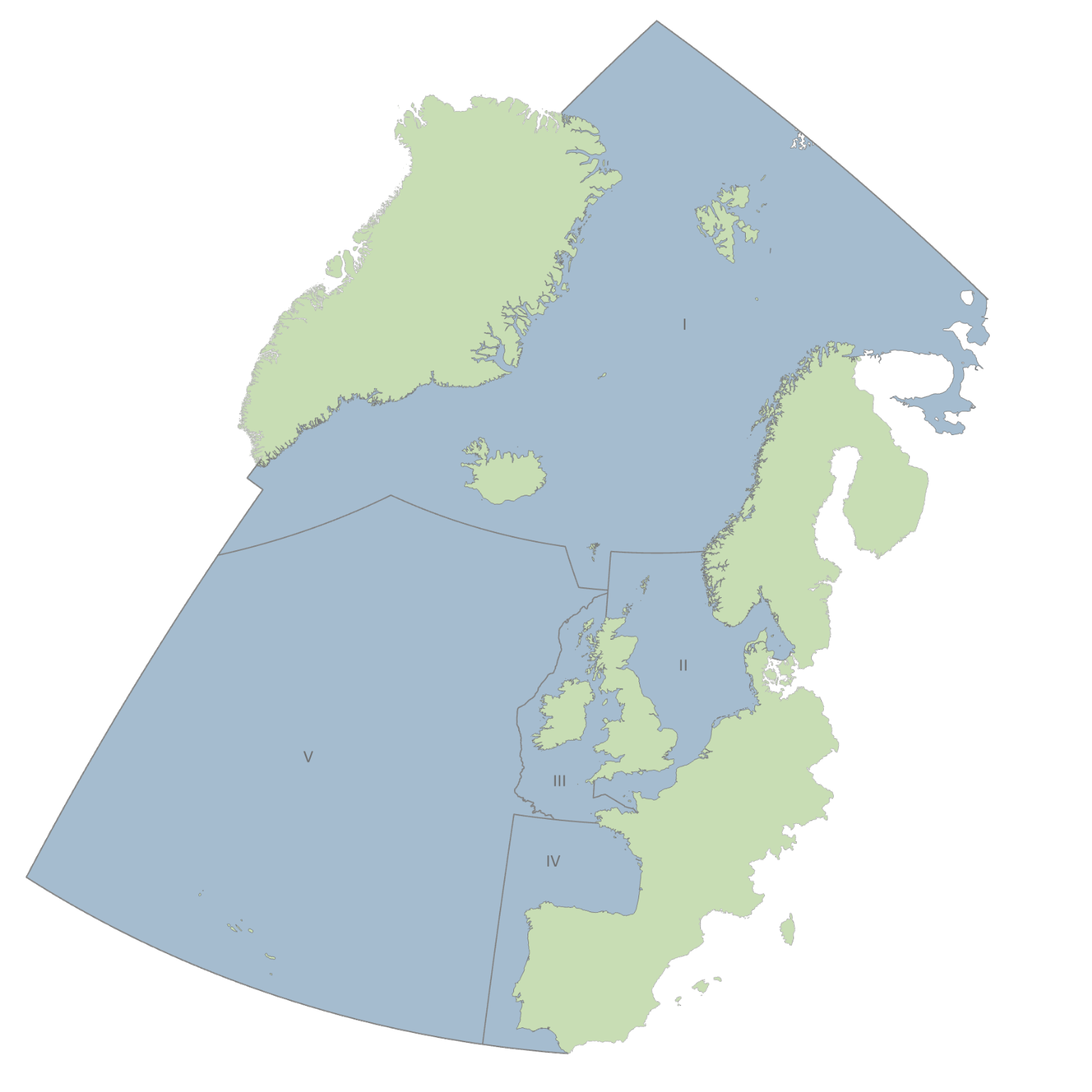
OSPAR Region: All Regions
Source of knowledge gap: QSR2023 - Status Assessment 2019 - Maerl beds
Impacts of human activities on ecological functioning of hydrothermal vents communities
ID Number: TBC
Knowledge gap description: Knowledge gaps of biodiversity, connectivity, life histories (including for example reproduction and growth rates), function and resilience of communities to disturbance and change (e.g. fishing, climate change, potential future deep-seabed mining).
Knowledge Gap Category:
4. data coverage
Assessment Category:
Status assessment
Relevant for MSFD Art 8:
D1C2
Implementation Status
OSPAR Region: All Regions
Source of knowledge gap: QSR2023 - Status Assessment 2022 - Oceanic Ridges with hydrothermal vents
Distinguishing human impacts from natural variability in Zostera beds
ID Number: TBC
Knowledge gap description: Changes following human-induced threats in comparison to changes related to natural variability can also be hard to determine.
Topics:
Knowledge Gap Category:
4. data coverage
Assessment Category:
Status assessment
Relevant for MSFD Art 8:
D6C3, D6C4, D6C5
Implementation Status
OSPAR Region: All Regions
Source of knowledge gap: QSR2023 - Status Assessment 2022 - Zostera beds
Impact of underwater noise and electromagnetic fields on Allis shad
ID Number: TBC
Knowledge gap description: Lack of knowledge on impact of aquatic noise, electromagnetic fields on diadromous fish behaviour
Knowledge Gap Category:
4. data coverage
Assessment Category:
Status assessment
Relevant for MSFD Art 8:
D11C1, D11C2
Implementation Status
OSPAR Region: All Regions
Source of knowledge gap: QSR2023 - Status Assessment 2022 - Allis shad
Impacts of climate change and coastal development on Basking sharks
ID Number: TBC
Knowledge gap description: Impacts of range shifts in prey species as well as ocean warming and acidification should be investigated. Special attention should be drawn to any coastal development project, and potential habitat and/or hotspots included in national or regional marine spatial planning frameworks
Knowledge Gap Category:
4. data coverage
Assessment Category:
Status assessment
Relevant for MSFD Art 8:
D1C2
Implementation Status
OSPAR Region: All Regions
Source of knowledge gap: QSR2023 - Status Assessment 2021 - Basking shark
Impact of human pressures on Leatherback turtles
ID Number: TBC
Knowledge gap description: Limited knowledge of the impact of threats.
Topics:
Knowledge Gap Category:
4. data coverage
Assessment Category:
Status assessment
Relevant for MSFD Art 8:
D1C2
Implementation Status
OSPAR Region: All Regions
Source of knowledge gap: QSR2023 - Status Assessment 2022 - Leatherback turtle
Impact of artificial structures on birds
ID Number: TBC
Knowledge gap description: The influence of artificial structures on the nesting population of marine birds
Knowledge Gap Category:
4. data coverage, 7. emerging issues of human activities
Assessment Category:
N/A
Relevant for MSFD Art 8:
D1C2
Impact of offshore chemicals on eutrophication
ID Number: TBC
Knowledge gap description: The impact of offshore chemicals on eutrophication status of the OSPAR maritime area is unknown.
Knowledge Gap Category:
4. data coverage
Assessment Category:
N/A
Relevant for MSFD Art 8:
D5C1, D5C2, D5C3, D5C4, D5C5, D5C6, D5C7, D5C8
Reduction of tritium in effluents
ID Number: TBC
Knowledge gap description: The development of industrial abatement techniques for tritium in the liquid effluent of power and reprocessing plants
Topics:
Knowledge Gap Category:
6. effectiveness of measures
Assessment Category:
Other assessment
Relevant for MSFD Art 8:
N/A
Implementation Status
OSPAR Region: All Regions
Source of knowledge gap: QSR2023 - Fifth periodic evaluation of progress towards the objective of the OSPAR Radioactive Substances Strategy
Reduction of radionuclides in produced water
ID Number: TBC
Knowledge gap description: The development of suitable techniques that could selectively reduce levels of radionuclides in produced water as it was being extracted and discharged. OSPAR's Offshore Industry Committee Expert Assessment Panel (OIC EAP) concluded in 2018 that there were no such suitable technologies.
Knowledge Gap Category:
6. effectiveness of measures
Assessment Category:
Other assessment
Relevant for MSFD Art 8:
N/A
Implementation Status
OSPAR Region: All Regions
Source of knowledge gap: QSR2023 - Fifth periodic evaluation of progress towards the objective of the OSPAR Radioactive Substances Strategy
Contribution of radionuclides to cumulative impacts
ID Number: TBC
Knowledge gap description: Cumulative impacts of radionuclides with other environmental stressors
Topics:
Knowledge Gap Category:
5. cumulative effects & integration
Assessment Category:
Thematic assessment
Relevant for MSFD Art 8:
N/A
Implementation Status
OSPAR Region: All Regions
Source of knowledge gap: QSR2023 - Radioactive Substances Thematic Assessment
Avoiding nuclear waste in new facilities
ID Number: TBC
Knowledge gap description: Development of novel materials and techniques to avoid the generation of radioactive waste in new nuclear facilities
Topics:
Knowledge Gap Category:
7. emerging issues of human activities
Assessment Category:
Thematic assessment
Relevant for MSFD Art 8:
N/A
Implementation Status
OSPAR Region: All Regions
Source of knowledge gap: QSR2023 - Radioactive Substances Thematic Assessment
New sources of radionuclides
ID Number: TBC
Knowledge gap description: Fate and behaviour of radionuclides used in novel techniques (e.g., in the medical sector)
Topics:
Knowledge Gap Category:
7. emerging issues of human activities
Assessment Category:
Thematic assessment
Relevant for MSFD Art 8:
N/A
Implementation Status
OSPAR Region: All Regions
Source of knowledge gap: QSR2023 - Radioactive Substances Thematic Assessment
Concentrations of radionucides from offshore installations in sediments
ID Number: TBC
Knowledge gap description: Environmental concentration of naturally occurring radionuclides from offshore oil and gas discharges of produced water in sediments
Knowledge Gap Category:
4. data coverage
Assessment Category:
Thematic assessment
Relevant for MSFD Art 8:
N/A
Implementation Status
OSPAR Region: All Regions
Source of knowledge gap: QSR2023 - Radioactive Substances Thematic Assessment
Radionuclides in a changing climate
ID Number: TBC
Knowledge gap description: Impact of climate change and ocean acidification on sources, fate and behaviour of radionuclides
Knowledge Gap Category:
5. cumulative effects & integration
Assessment Category:
Thematic assessment
Relevant for MSFD Art 8:
N/A
Implementation Status
OSPAR Region: All Regions
Source of knowledge gap: QSR2023 - Radioactive Substances Thematic Assessment
Impacts of radionuclides from disused installations
ID Number: TBC
Knowledge gap description: Impact of leaving in-situ NORM (Naturally Occuring Radioactive Material) contaminated oil and gas infrastructure (e.g., pipeline)
Knowledge Gap Category:
6. effectiveness of measures
Assessment Category:
Thematic assessment
Relevant for MSFD Art 8:
N/A
Implementation Status
OSPAR Region: All Regions
Source of knowledge gap: QSR2023 - Radioactive Substances Thematic Assessment
Radioactivity levels at historic Atlantic dump sites
ID Number: TBC
Knowledge gap description: More data are needed on the radioactivity levels at historic Atlantic dump sites. Campaigns to monitor historic Atlantic dump sites with increased technical capability are therefore needed.
Topics:
Knowledge Gap Category:
4. data coverage
Assessment Category:
Thematic assessment
Relevant for MSFD Art 8:
N/A
Implementation Status
OSPAR Region: All Regions
Source of knowledge gap: QSR2023 - Radioactive Substances Thematic Assessment
Radionuclides from deep sea mining
ID Number: TBC
Knowledge gap description: Discharges of radioactive substances and associated impacts of deep seabed mining activities
Knowledge Gap Category:
4. data coverage, 7. emerging issues of human activities
Assessment Category:
Thematic assessment
Relevant for MSFD Art 8:
N/A
Implementation Status
OSPAR Region: All Regions
Source of knowledge gap: QSR2023 - Radioactive Substances Thematic Assessment
Ecotoxicological data voor improving heavy metals assessment criteria
ID Number: H01.01
Knowledge gap description: Lack of ecotoxicological data for developing new assessment criteria based on the EU Water Framework Directive (WFD) or OSPAR Environmental Assessment Criteria (EAC) principles, to replace the current Effects Range-Low (ERL) criteria. Thresholds for trace metals in sediments, fish and shellfish should be developed or updated.
Knowledge Gap Category:
2. thresholds & references
Assessment Category:
Common indicator assessment
Relevant for MSFD Art 8:
D8C1
Implementation Status
OSPAR Region: All Regions
Source of knowledge gap: QSR2023 - Status and Trend for Heavy Metals (Mercury, Cadmium and Lead) in Fish, Shellfish and Sediment
Understanding increasing trends in heavy metal levels in biota
ID Number: H01.02
Knowledge gap description: A better understanding is needed of why concentrations of metals in fish and shellfish are increasing, despite perceived decreasing inputs to the marine environment, and decreasing trends in sediments. Links between metal concentrations and confounding factors like the size of shellfish and fish, the condition of the species analysed, trophic level and dry weight/lipid concentrations should be investigated further.
Knowledge Gap Category:
5. cumulative effects & integration
Assessment Category:
Common indicator assessment
Relevant for MSFD Art 8:
D8C1
Implementation Status
OSPAR Region: All Regions
Source of knowledge gap: QSR2023 - Status and Trend for Heavy Metals (Mercury, Cadmium and Lead) in Fish, Shellfish and Sediment
Improving PAH data coverage in the Arctic
ID Number: H03.01
Knowledge gap description: Lack of polycyclic aromatic hydrocarbons (PAHs) monitoring data, particularly for sediment in Arctic Waters
Topics:
Knowledge Gap Category:
4. data coverage
Assessment Category:
Common indicator assessment
Relevant for MSFD Art 8:
D8C1
Implementation Status
OSPAR Region: All Regions
Source of knowledge gap: QSR2023 - Status and Trends in the Concentrations of Polycyclic Aromatic Hydrocarbons (PAHs) in Shellfish and Sediment
Improving PAH data coverage
ID Number: H03.02
Knowledge gap description: In some assessment areas there are insufficient monitoring sites with a good geographic spread for a status and trends assessment.
Topics:
Knowledge Gap Category:
4. data coverage
Assessment Category:
Common indicator assessment
Relevant for MSFD Art 8:
D8C1
Implementation Status
OSPAR Region: All Regions
Source of knowledge gap: QSR2023 - Status and Trends in the Concentrations of Polycyclic Aromatic Hydrocarbons (PAHs) in Shellfish and Sediment
Improving data coverage of PAH metabolites in fish bile
ID Number: H03.03
Knowledge gap description: Monitoring of PAH metabolites in fish bile can extend the biota monitoring programme to include open waters. Only 4 assessment areas (Northern North Sea, Southern North Sea, Channel, Irish Sea) had enough data for a status and trend assessment for PAH metabolites in fish bile in the first OSPAR bile metabolite assessment.
Topics:
Knowledge Gap Category:
4. data coverage
Assessment Category:
Common indicator assessment
Relevant for MSFD Art 8:
D8C1
Implementation Status
OSPAR Region: All Regions
Source of knowledge gap: QSR2023 - Status and Trends in the Concentrations of Polycyclic Aromatic Hydrocarbons (PAHs) in Shellfish and Sediment
Lack of assessment criteria for PAHs in sediments
ID Number: H03.04
Knowledge gap description: There are no Environmental Assessment Criteria (EACs) for Polycyclic Aromatic Hydrocarbons (PAHs) in sediment available. There is a need for EACs to be developed for Polycyclic Aromatic Hydrocarbons (PAHs) in sediment.
Topics:
Knowledge Gap Category:
2. thresholds & references
Assessment Category:
Common indicator assessment
Relevant for MSFD Art 8:
D8C1
Implementation Status
OSPAR Region: All Regions
Source of knowledge gap: QSR2023 - Status and Trends in the Concentrations of Polycyclic Aromatic Hydrocarbons (PAHs) in Shellfish and Sediment
Lack of assessment criteria for alkylated PAHs in shellfish
ID Number: H03.05
Knowledge gap description: There is a need for Environmental Assessment Criteria (EAC) to be developed for alkylated Polycyclic Aromatic Hydrocarbons (PAHs) in shellfish.
Topics:
Knowledge Gap Category:
2. thresholds & references
Assessment Category:
Common indicator assessment
Relevant for MSFD Art 8:
D8C1
Implementation Status
OSPAR Region: All Regions
Source of knowledge gap: QSR2023 - Status and Trends in the Concentrations of Polycyclic Aromatic Hydrocarbons (PAHs) in Shellfish and Sediment