
OSPAR Science Agenda Knowledge Gap Portal
Welcome to the OSPAR Science Agenda knowledge gap portal. The page showcases important scientific questions and evidence needs identified by OSPAR to help protect and sustainably manage the North-East Atlantic. Use the filters and search options below to explore knowledge gaps by topic, category, region, and status, or browse visually to discover areas where new research, data, or collaborations are needed. The aim is to make it easy for anyone - scientists, funders, and policy makers to understand the current priorities, access key details, and get involved in helping to close these important gaps for a healthier ocean future.
Showing 26 - 50 of 83 items
Distinguish temperature and eutrophication impacts on benthic ecology
ID Number: TBC
Knowledge gap description: In coastal ocean regions, anthropogenic eutrophication via continental run-off and atmospheric nutrient deposition, and ocean warming, are very likely to be the main drivers of deoxygenation. Future work should aim to decouple, where possible, the impacts of eutrophication on benthic ecology.
Knowledge Gap Category:
1. indicator development
Assessment Category:
Thematic assessment
Relevant for MSFD Art 8:
N/A
Implementation Status
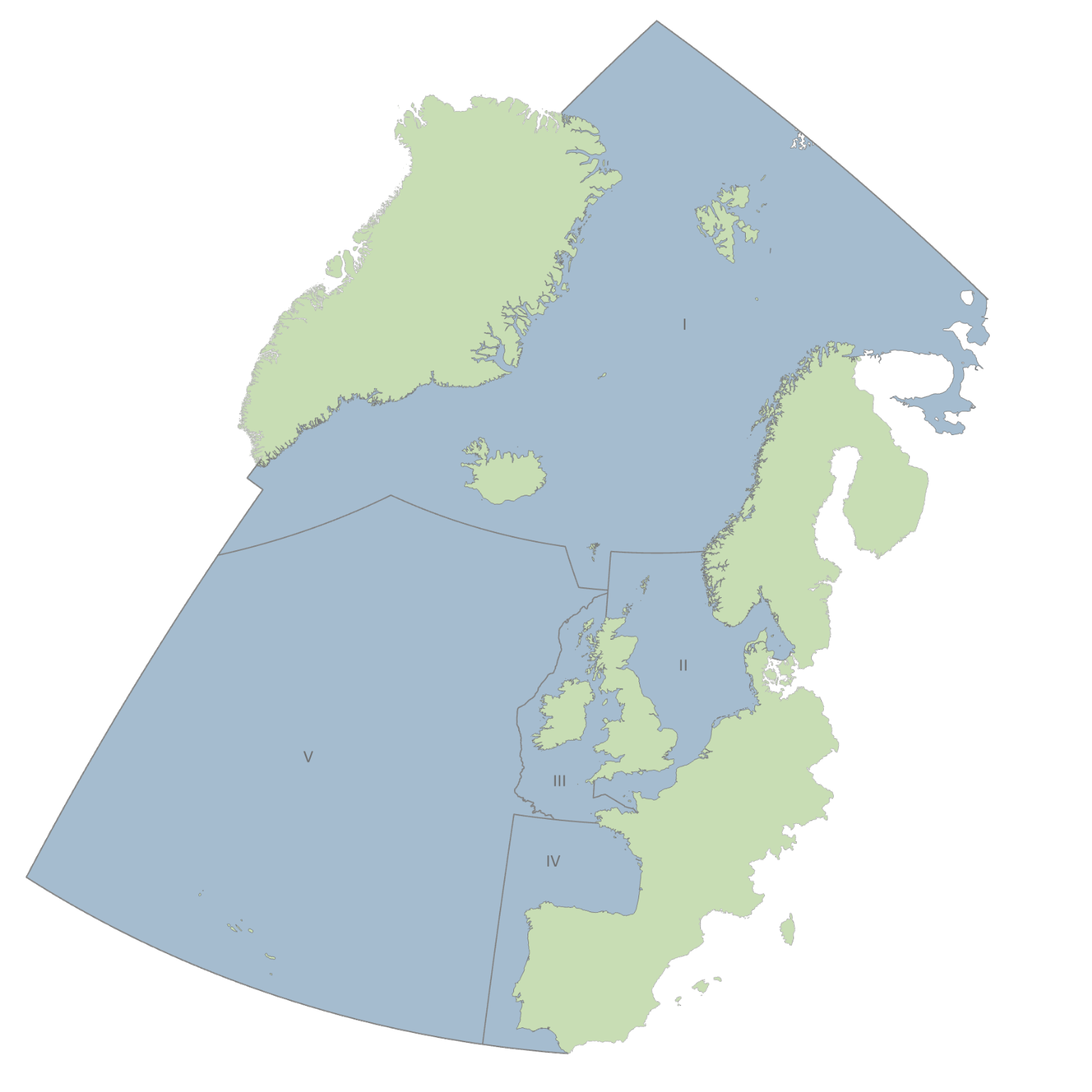
OSPAR Region: All Regions
Source of knowledge gap: QSR2023 - Eutrophication Thematic Assessment
Understanding the contribution of eutrophication to cumulative impacts of human activities
ID Number: TBC
Knowledge gap description: Further analyses and evidence of ecological impacts of eutrophication are required in order to progress the assessment of cumulative effects and to evaluate the effectiveness of implemented measures.
Topics:
Knowledge Gap Category:
5. cumulative effects & integration
Assessment Category:
Thematic assessment
Relevant for MSFD Art 8:
N/A
Implementation Status
OSPAR Region: All Regions
Source of knowledge gap: QSR2023 - Eutrophication Thematic Assessment
Links between changes in the physical and chemical ocean climate
ID Number: A3.03
Knowledge gap description: Improved understanding of the fundamental links between changes in the physical and chemical ocean climate, the marine ecosystem, and human activities in the marine environment. Causal links between these changes and other OSPAR receptors (species, habitats, hazardous substances, marine litter, eutrophication, radioactive substances) are unknown, including the complex interactions between these.
Topics:
Knowledge Gap Category:
7. emerging issues of human activities
Assessment Category:
Thematic assessment
Relevant for MSFD Art 8:
N/A
Implementation Status
OSPAR Region: All Regions
Source of knowledge gap: QSR2023 - Climate Change Thematic Assessment
Impacts of climate change and ocean acidification
ID Number: A3.04
Knowledge gap description: A lack of distinction of the impacts of climate change and ocean acidification from those of other processes that are either primary or managed drivers. This includes how indicators change in response to these multiple stressors.
Knowledge Gap Category:
1. indicator development
Assessment Category:
Thematic assessment
Relevant for MSFD Art 8:
N/A
Implementation Status
OSPAR Region: All Regions
Source of knowledge gap: QSR2023 - Climate Change Thematic Assessment
Saline surface monitoring
ID Number: TBC
Knowledge gap description: Implementation of the Nitrates Directive: Strengthened water monitoring, especially of saline surface waters, would improve the comparability of the data on nitrogen pollution and provide a more detailed picture of the overall quality of the EU waters.
Topics:
Knowledge Gap Category:
4. data coverage
Assessment Category:
Other assessment
Relevant for MSFD Art 8:
D5C1
Implementation Status
OSPAR Region: All Regions
Source of knowledge gap: QSR2023 - Feeder Report 2021 - Agriculture
Risk assessments on pesticides
ID Number: TBC
Knowledge gap description: While there is data on use of pesticides, sales of pesticide cannot be directly equated to the risk to human health and the environment and does not provide insight into whether or not the use of pesticides is sustainable. This is because the risks relate to pesticide mobility and degradation in the environment and their uptake and potential accumulation in plants, animals, and humans.
Topics:
Knowledge Gap Category:
5. cumulative effects & integration
Assessment Category:
Other assessment
Relevant for MSFD Art 8:
N/A
Implementation Status
OSPAR Region: All Regions
Source of knowledge gap: QSR2023 - Feeder Report 2021 - Agriculture
Sea lamprey protection
ID Number: TBC
Knowledge gap description: OSPAR Recommendation 2015/03 on furthering the protection and conservation of the sea lamprey includes proposed measures to assist agriculture and forestry in reducing destruction or degradation of spawning habitats and river migration routes. Progress made in implementing this measure is not clear.
Topics:
Knowledge Gap Category:
6. effectiveness of measures
Assessment Category:
Other assessment
Relevant for MSFD Art 8:
N/A
Implementation Status
OSPAR Region: All Regions
Source of knowledge gap: QSR2023 - Feeder Report 2021 - Agriculture
Identify and quantify nutrient sources
ID Number: TBC
Knowledge gap description: Nutrient levels are still too high in some regions which are still affected by eutrophication, such as the south-eastern coast of the Greater North Sea and some localised areas of the Celtic Seas. OSPAR could further develop the evidence base and tool kits to identify and quantify relevant sources, and consider nutrient reduction needs for countries to combat eutrophication.
Topics:
Knowledge Gap Category:
4. data coverage
Assessment Category:
Other assessment
Relevant for MSFD Art 8:
D5C1
Implementation Status
OSPAR Region: All Regions
Source of knowledge gap: QSR2023 - Feeder Report 2021 - Agriculture
Nutrient reduction tool kits
ID Number: TBC
Knowledge gap description: OSPAR could further develop the evidence base and tool kits to consider nutrient reduction needs for countries to combat eutrophication.
Topics:
Knowledge Gap Category:
2. thresholds & references
Assessment Category:
Other assessment
Relevant for MSFD Art 8:
D5C1
Implementation Status
OSPAR Region: All Regions
Source of knowledge gap: QSR2023 - Feeder Report 2021 - Agriculture
Limits for contaminants in fish feed based in environmental effects in surrounding sediments
ID Number: TBC
Knowledge gap description: Regulatory limits set for contaminants in fish feed have been based on fish health and food safety and not the risk of environmental effects in surrounding sediments.
Topics:
Knowledge Gap Category:
2. thresholds & references
Assessment Category:
Other assessment
Relevant for MSFD Art 8:
D8C1, D9C1
Implementation Status
OSPAR Region: All Regions
Source of knowledge gap: QSR2023 - Feeder Report 2021 - Aquaculture
Availability of riverine data from some countries
ID Number: TBC
Knowledge gap description: Contaminant loads of metals and Polycyclic Aromatic Hydrocarbons (PAHs) were calculated for OSPAR regions (Table 5 and Table 6) and a comparison with riverine input data (year 2019) from OSPAR Riverine Inputs and Direct Discharges monitoring programme (RID) were made with respect to some metals. However, riverine data are missing from some countries.
Topics:
Knowledge Gap Category:
4. data coverage
Assessment Category:
Other assessment
Relevant for MSFD Art 8:
D8C1
Implementation Status
OSPAR Region: All Regions
Source of knowledge gap: QSR2023 - Modelling of discharges to the marine environment from open circuit flue gas scrubbers on ships in the OSPAR Maritime Area
Impacts of chemical endocrine disruptors on invertebrate populations
ID Number: TBC
Knowledge gap description: There are few studies on the impacts of chemical endocrine disruptors on invertebrate populations.
Topics:
Knowledge Gap Category:
4. data coverage
Assessment Category:
Other assessment
Relevant for MSFD Art 8:
D8C2
Implementation Status
OSPAR Region: All Regions
Source of knowledge gap: QSR2023 - Feeder Report 2021 - Waste water
Ecotoxicological data voor improving heavy metals assessment criteria
ID Number: H01.01
Knowledge gap description: Lack of ecotoxicological data for developing new assessment criteria based on the EU Water Framework Directive (WFD) or OSPAR Environmental Assessment Criteria (EAC) principles, to replace the current Effects Range-Low (ERL) criteria. Thresholds for trace metals in sediments, fish and shellfish should be developed or updated.
Knowledge Gap Category:
2. thresholds & references
Assessment Category:
Common indicator assessment
Relevant for MSFD Art 8:
D8C1
Implementation Status
OSPAR Region: All Regions
Source of knowledge gap: QSR2023 - Status and Trend for Heavy Metals (Mercury, Cadmium and Lead) in Fish, Shellfish and Sediment
Understanding increasing trends in heavy metal levels in biota
ID Number: H01.02
Knowledge gap description: A better understanding is needed of why concentrations of metals in fish and shellfish are increasing, despite perceived decreasing inputs to the marine environment, and decreasing trends in sediments. Links between metal concentrations and confounding factors like the size of shellfish and fish, the condition of the species analysed, trophic level and dry weight/lipid concentrations should be investigated further.
Knowledge Gap Category:
5. cumulative effects & integration
Assessment Category:
Common indicator assessment
Relevant for MSFD Art 8:
D8C1
Implementation Status
OSPAR Region: All Regions
Source of knowledge gap: QSR2023 - Status and Trend for Heavy Metals (Mercury, Cadmium and Lead) in Fish, Shellfish and Sediment
Improving PAH data coverage in the Arctic
ID Number: H03.01
Knowledge gap description: Lack of polycyclic aromatic hydrocarbons (PAHs) monitoring data, particularly for sediment in Arctic Waters
Topics:
Knowledge Gap Category:
4. data coverage
Assessment Category:
Common indicator assessment
Relevant for MSFD Art 8:
D8C1
Implementation Status
OSPAR Region: All Regions
Source of knowledge gap: QSR2023 - Status and Trends in the Concentrations of Polycyclic Aromatic Hydrocarbons (PAHs) in Shellfish and Sediment
Improving PAH data coverage
ID Number: H03.02
Knowledge gap description: In some assessment areas there are insufficient monitoring sites with a good geographic spread for a status and trends assessment.
Topics:
Knowledge Gap Category:
4. data coverage
Assessment Category:
Common indicator assessment
Relevant for MSFD Art 8:
D8C1
Implementation Status
OSPAR Region: All Regions
Source of knowledge gap: QSR2023 - Status and Trends in the Concentrations of Polycyclic Aromatic Hydrocarbons (PAHs) in Shellfish and Sediment
Improving data coverage of PAH metabolites in fish bile
ID Number: H03.03
Knowledge gap description: Monitoring of PAH metabolites in fish bile can extend the biota monitoring programme to include open waters. Only 4 assessment areas (Northern North Sea, Southern North Sea, Channel, Irish Sea) had enough data for a status and trend assessment for PAH metabolites in fish bile in the first OSPAR bile metabolite assessment.
Topics:
Knowledge Gap Category:
4. data coverage
Assessment Category:
Common indicator assessment
Relevant for MSFD Art 8:
D8C1
Implementation Status
OSPAR Region: All Regions
Source of knowledge gap: QSR2023 - Status and Trends in the Concentrations of Polycyclic Aromatic Hydrocarbons (PAHs) in Shellfish and Sediment
Lack of assessment criteria for PAHs in sediments
ID Number: H03.04
Knowledge gap description: There are no Environmental Assessment Criteria (EACs) for Polycyclic Aromatic Hydrocarbons (PAHs) in sediment available. There is a need for EACs to be developed for Polycyclic Aromatic Hydrocarbons (PAHs) in sediment.
Topics:
Knowledge Gap Category:
2. thresholds & references
Assessment Category:
Common indicator assessment
Relevant for MSFD Art 8:
D8C1
Implementation Status
OSPAR Region: All Regions
Source of knowledge gap: QSR2023 - Status and Trends in the Concentrations of Polycyclic Aromatic Hydrocarbons (PAHs) in Shellfish and Sediment
Lack of assessment criteria for alkylated PAHs in shellfish
ID Number: H03.05
Knowledge gap description: There is a need for Environmental Assessment Criteria (EAC) to be developed for alkylated Polycyclic Aromatic Hydrocarbons (PAHs) in shellfish.
Topics:
Knowledge Gap Category:
2. thresholds & references
Assessment Category:
Common indicator assessment
Relevant for MSFD Art 8:
D8C1
Implementation Status
OSPAR Region: All Regions
Source of knowledge gap: QSR2023 - Status and Trends in the Concentrations of Polycyclic Aromatic Hydrocarbons (PAHs) in Shellfish and Sediment
Improving the knowledge base for PAH assessment criteria
ID Number: H03.06
Knowledge gap description: The limitations in using Environmental Assessment Criteria (EAC) and Background Assessment Concentrations (BACs) should be addressed with further research.
Topics:
Knowledge Gap Category:
2. thresholds & references
Assessment Category:
Common indicator assessment
Relevant for MSFD Art 8:
D8C1
Implementation Status
OSPAR Region: All Regions
Source of knowledge gap: QSR2023 - Status and Trends in the Concentrations of Polycyclic Aromatic Hydrocarbons (PAHs) in Shellfish and Sediment
Understanding diffuse terrestrial sources and pathways of PCBs
ID Number: H02.01
Knowledge gap description: Further research and modelling is required to understand, define and quantify diffuse emissions and inputs to air and water from terrestrial sources (secondary sources such as leachate from land fill and waste disposal sites)
Knowledge Gap Category:
4. data coverage
Assessment Category:
Common indicator assessment
Relevant for MSFD Art 8:
D8C1
Implementation Status
OSPAR Region: All Regions
Source of knowledge gap: QSR2023 - Status and Trends of Polychlorinated Biphenyls (PCB) in Fish, Shellfish and Sediment
Developing PCB assessment criteria for secondary poisoning
ID Number: H02.02
Knowledge gap description: OSPAR should consider developing Environmental Assessment Criteria (EAC) for the purpose of protection against secondary poisoning.
Topics:
Knowledge Gap Category:
2. thresholds & references
Assessment Category:
Common indicator assessment
Relevant for MSFD Art 8:
D8C1
Implementation Status
OSPAR Region: All Regions
Source of knowledge gap: QSR2023 - Status and Trends of Polychlorinated Biphenyls (PCB) in Fish, Shellfish and Sediment
Improving PCB data coverage of PAH in sediments
ID Number: H02.03
Knowledge gap description: There is a lack of monitoring data, or insufficient data for a status and trend assessment, particularly for sediment for some parts of the OSPAR Maritime Area, particularly in Arctic Waters, some parts of the Celtic Seas and the Iberian Coast and Bay of Biscay
Topics:
Knowledge Gap Category:
4. data coverage
Assessment Category:
Common indicator assessment
Relevant for MSFD Art 8:
D8C1
Implementation Status
OSPAR Region: All Regions
Source of knowledge gap: QSR2023 - Status and Trends of Polychlorinated Biphenyls (PCB) in Fish, Shellfish and Sediment
Better understanding of pathways of PCBs to areas without former production and use of these substances
ID Number: H02.04
Knowledge gap description: More research is needed to quantify how much of the reduction in Polychlorinated Biphenyl (PCB) concentrations in areas of former use is occurring at the expense of levels in areas where Polychlorinated Biphenyl (PCB)s have not been commercially produced and used (e.g., Africa, which receives Polychlorinated Biphenyl (PCB)s from obsolete products and wastes).
Topics:
Knowledge Gap Category:
4. data coverage
Assessment Category:
Common indicator assessment
Relevant for MSFD Art 8:
D8C1
Implementation Status
OSPAR Region: All Regions
Source of knowledge gap: QSR2023 - Status and Trends of Polychlorinated Biphenyls (PCB) in Fish, Shellfish and Sediment
Improving PBDEs data coverage in sediments
ID Number: H05.01
Knowledge gap description: Lack of monitoring data for sediments (apart from Regions II and III), particularly in Arctic Waters.
Topics:
Knowledge Gap Category:
4. data coverage
Assessment Category:
Common indicator assessment
Relevant for MSFD Art 8:
D8C1
Implementation Status
OSPAR Region: All Regions
Source of knowledge gap: QSR2023 - Status and Trends of Polybrominated Diphenyl Ethers (PBDEs) in Biota and Sediment