
OSPAR Science Agenda Knowledge Gap Portal
Welcome to the OSPAR Science Agenda knowledge gap portal. The page showcases important scientific questions and evidence needs identified by OSPAR to help protect and sustainably manage the North-East Atlantic. Use the filters and search options below to explore knowledge gaps by topic, category, region, and status, or browse visually to discover areas where new research, data, or collaborations are needed. The aim is to make it easy for anyone - scientists, funders, and policy makers to understand the current priorities, access key details, and get involved in helping to close these important gaps for a healthier ocean future.
Showing 51 - 73 of 73 items
Data for the gelatinous zooplankton lifeform in the Bay of Biscay and Iberian Coast for beyond shelf assessment
ID Number: TBC
Knowledge gap description: Bay of Biscay and Iberian Coast (OSPAR Region IV): beyond shelf / Plankton community assessment. Common Indicator Assessment on Changes in Phytoplankton and Zooplankton Communities (PH1 / FW5): No data were available for the gelatinous zooplankton lifeform so it was not assessed.
Knowledge Gap Category:
4. data coverage
Assessment Category:
Thematic assessment
Relevant for MSFD Art 8:
D4C1, D4C2, D4C3, D4C4, D1C6
Implementation Status
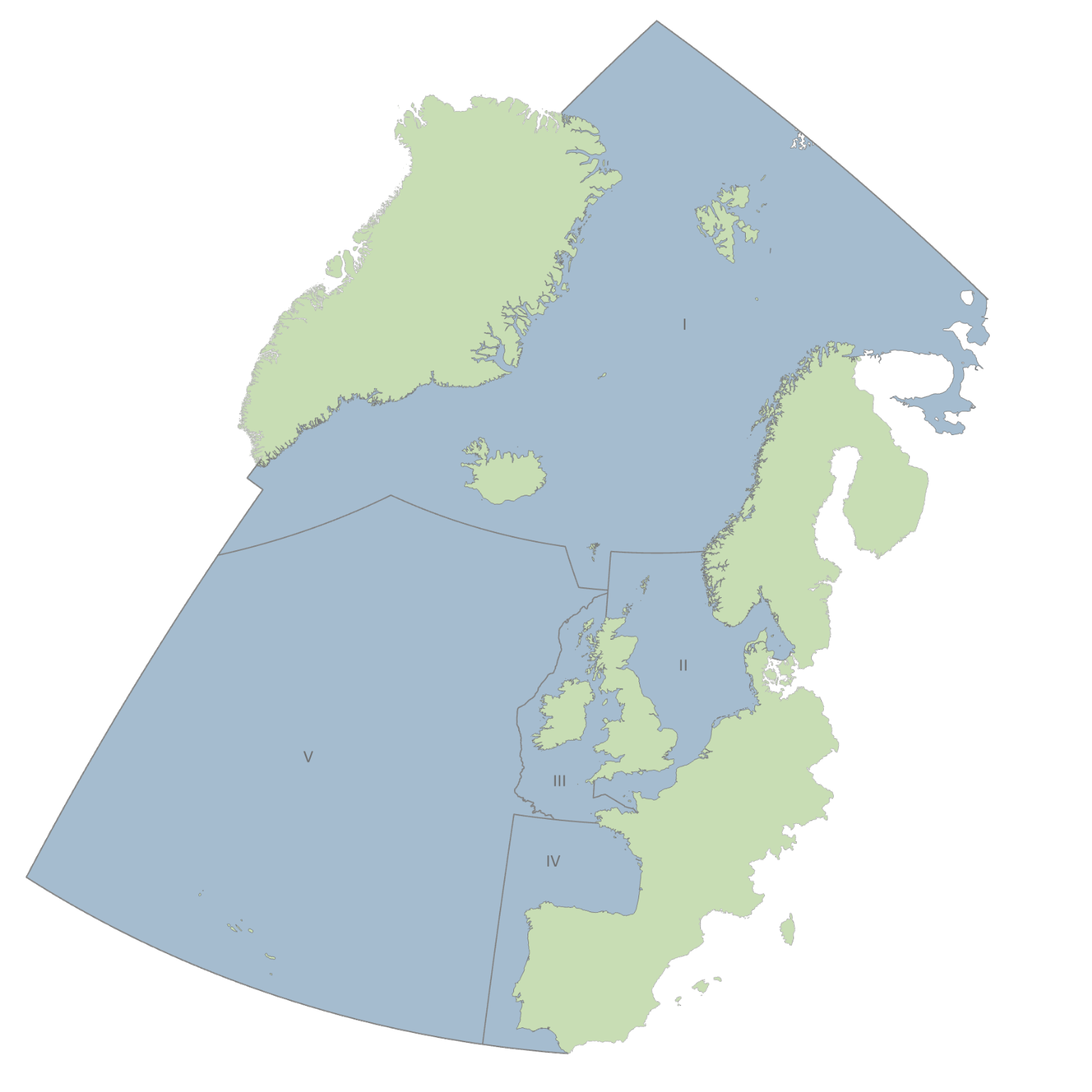
OSPAR Region: All Regions
Source of knowledge gap: QSR2023 - Food webs Thematic Assessment
Spatial coverage of indicator assessments related to primary production
ID Number: TBC
Knowledge gap description: Bay of Biscay and Iberian Coast (OSPAR Region IV): beyond shelf / Plankton community assessment. Candidate Indicator Pilot Assessment of Primary Productivity (FW2) - pilot assessment results indicated significant downward trend in primary production. Spatial assessment was limited to one area representing 20% of all sub-divisions in the habitat, resulting in low confidence in those results. Future projection of primary production in the Bay of Biscay and Iberian Coast is subject to large uncertainty.
Knowledge Gap Category:
4. data coverage
Assessment Category:
Thematic assessment
Relevant for MSFD Art 8:
D4C1, D4C2, D4C3, D4C4, D1C6
Implementation Status
OSPAR Region: All Regions
Source of knowledge gap: QSR2023 - Food webs Thematic Assessment
Changes in average Trophic Level of Marine Predators assessment, Beyond the Continental Shelf, in the Bay of Biscay and the Iberian Coast
ID Number: TBC
Knowledge gap description: Bay of Biscay and Iberian Coast (OSPAR Region IV): beyond shelf / Changes in average trophic level of marine predators assessment - contrasting tends for the Changes in Average Trophic Level of Marine Consumers (FW4) indicator observed in deeper areas seemed to indicate an unclear status for the average trophic level of the benthodemersal communities in this habitat type.
Topics:
Knowledge Gap Category:
5. cumulative effects & integration
Assessment Category:
Thematic assessment
Relevant for MSFD Art 8:
D4C1, D4C2, D4C3, D4C4
Implementation Status
OSPAR Region: All Regions
Source of knowledge gap: QSR2023 - Food webs Thematic Assessment
Data to assess the reference condition of common indicators
ID Number: TBC
Knowledge gap description: Wider Atlantic (OSPAR Region V): two Common Indicators that were assessed had an unknown status due to no trend being detected and the reference condition not being known. This resulted from a lack of data.
Topics:
Knowledge Gap Category:
4. data coverage
Assessment Category:
Thematic assessment
Relevant for MSFD Art 8:
D4C1, D4C2, D4C3, D4C4
Implementation Status
OSPAR Region: All Regions
Source of knowledge gap: QSR2023 - Food webs Thematic Assessment
Implications of the absence of long term changes in the Wider Atlantic for the size-structure and community composition indicators
ID Number: TBC
Knowledge gap description: Wider Atlantic (OSPAR Region V): Shelf ecosystems Demersal fish community assessment - No long-term changes were evident in the Wider Atlantic for the size-structure and community composition indicators and the implications of this are unknown.
Knowledge Gap Category:
5. cumulative effects & integration
Assessment Category:
Thematic assessment
Relevant for MSFD Art 8:
D4C1, D4C2, D4C3, D4C4
Implementation Status
OSPAR Region: All Regions
Source of knowledge gap: QSR2023 - Food webs Thematic Assessment
Integrated approach taking into account all trophic guild compartments of the ecosystem
ID Number: TBC
Knowledge gap description: An integrated approach should be developed and implemented, taking into account all trophic guild compartments of the ecosystem, to better assess the state of food webs.
Topics:
Knowledge Gap Category:
5. cumulative effects & integration
Assessment Category:
Thematic assessment
Relevant for MSFD Art 8:
D4C1, D4C2, D4C3, D4C4
Implementation Status
OSPAR Region: All Regions
Source of knowledge gap: QSR2023 - Food webs Thematic Assessment
Sampling of trophic guilds
ID Number: TBC
Knowledge gap description: Many trophic guilds are under sampled and therefore underrepresented in indicators and models worldwide.
Topics:
Knowledge Gap Category:
4. data coverage
Assessment Category:
Thematic assessment
Relevant for MSFD Art 8:
D4C1, D4C2, D4C3, D4C4
Implementation Status
OSPAR Region: All Regions
Source of knowledge gap: QSR2023 - Food webs Thematic Assessment
Information on the different compartments to assess the state of food web status
ID Number: TBC
Knowledge gap description: Information on as many compartments as possible is needed to assess a network where every node is interconnected. This is one of the main challenges in assessment of food web status.
Topics:
Knowledge Gap Category:
5. cumulative effects & integration
Assessment Category:
Thematic assessment
Relevant for MSFD Art 8:
D4C1, D4C2, D4C3, D4C4
Implementation Status
OSPAR Region: All Regions
Source of knowledge gap: QSR2023 - Food webs Thematic Assessment
Development of food web indicators
ID Number: TBC
Knowledge gap description: Further development of food web indicators is required, involving more integrative and process-based indicators, operationalising the Ecological Network Analysis approach.
Topics:
Knowledge Gap Category:
1. indicator development
Assessment Category:
Thematic assessment
Relevant for MSFD Art 8:
D4C1, D4C2, D4C3, D4C4
Implementation Status
OSPAR Region: All Regions
Source of knowledge gap: QSR2023 - Food webs Thematic Assessment
Integration methods and cumulative effects assessments to assess impacts of human activities and climate change on food webs
ID Number: TBC
Knowledge gap description: Integration methods and cumulative effects assessments need to be further developed to capture impacts of human activities and climate change on food webs, in terms of changes in trophic and non-trophic interactions and the supply of ecosystem services.
Knowledge Gap Category:
5. cumulative effects & integration
Assessment Category:
Thematic assessment
Relevant for MSFD Art 8:
D4C1, D4C2, D4C3, D4C4
Implementation Status
OSPAR Region: All Regions
Source of knowledge gap: QSR2023 - Food webs Thematic Assessment
Increased integration of monitoring, assessment and action on food webs
ID Number: TBC
Knowledge gap description: Increased integration of monitoring, assessment and action, across all of OSPAR’s strategic objectives is needed for policy and management response to ensure good environmental status for food webs.
Topics:
Knowledge Gap Category:
6. effectiveness of measures
Assessment Category:
Thematic assessment
Relevant for MSFD Art 8:
N/A
Implementation Status
OSPAR Region: All Regions
Source of knowledge gap: QSR2023 - Food webs Thematic Assessment
Management effectiveness of the MPAs within the network regarding food web
ID Number: TBC
Knowledge gap description: OSPAR Marine Protected Area (MPA) network: understanding the management effectiveness of the MPAs within the network, and the network itself, needs to be addressed, particularly from the perspective of ecosystem functioning and food webs
Knowledge Gap Category:
6. effectiveness of measures
Assessment Category:
Thematic assessment
Relevant for MSFD Art 8:
N/A
Implementation Status
OSPAR Region: All Regions
Source of knowledge gap: QSR2023 - Food webs Thematic Assessment
Availability of data related to the OSPAR MPA network for management of human activities.
ID Number: TBC
Knowledge gap description: OSPAR Marine Protected Area (MPA) network: there needs to be better data availability relating to the OSPAR MPA network for those that have the responsibility to manage different human activities.
Knowledge Gap Category:
4. data coverage
Assessment Category:
Thematic assessment
Relevant for MSFD Art 8:
N/A
Implementation Status
OSPAR Region: All Regions
Source of knowledge gap: QSR2023 - Food webs Thematic Assessment
Geographic coverage and ecological coherence of OSPAR Marine Protected Area network
ID Number: TBC
Knowledge gap description: OSPAR Marine Protected Area (MPA) network: OSPAR is progressing towards establishing key metrics in terms of area-based protection; however, there are still gaps in geographic coverage (particularly in the Arctic region), and ecological coherence.
Knowledge Gap Category:
2. thresholds & references
Assessment Category:
Thematic assessment
Relevant for MSFD Art 8:
N/A
Implementation Status
OSPAR Region: All Regions
Source of knowledge gap: QSR2023 - Food webs Thematic Assessment
Applicability of indicators related to ecosystem state for assessing food web in OSPAR regions
ID Number: TBC
Knowledge gap description: The new approach to ecosystem state being taken by Norway in Region I incorporates several indicators that may be applicable to OSPAR food web assessment. This could be further investigated, to test if these indicators may be applicable to future OSPAR integrated assessments.
Topics:
Knowledge Gap Category:
1. indicator development
Assessment Category:
Thematic assessment
Relevant for MSFD Art 8:
D4C1, D4C2, D4C3, D4C4
Implementation Status
OSPAR Region: All Regions
Source of knowledge gap: QSR2023 - Food webs Thematic Assessment
Monitoring of non-indigenous species and impact on food webs
ID Number: TBC
Knowledge gap description: Non-indigenous species, which can change the structure and functioning of food webs, continue to be introduced. Continued implementation of the joint response by OSPAR and HELCOM, the EU MSFD, the Invasive Alien Species Regulation and the International Maritime Organization Ballast Water Management Convention should ensure that some of the gaps identified in monitoring are addressed and also strengthen the monitoring required to reduce bias and data gaps.
Knowledge Gap Category:
5. cumulative effects & integration
Assessment Category:
Thematic assessment
Relevant for MSFD Art 8:
D4C1, D4C2, D4C3, D4C4
Implementation Status
OSPAR Region: All Regions
Source of knowledge gap: QSR2023 - Food webs Thematic Assessment
Direct impact of noise on food webs
ID Number: TBC
Knowledge gap description: Noise (impulsive, continuous): Little is known about the direct impact on food webs.
Knowledge Gap Category:
4. data coverage
Assessment Category:
Thematic assessment
Relevant for MSFD Art 8:
D4C1, D4C2, D4C3, D4C4
Implementation Status
OSPAR Region: All Regions
Source of knowledge gap: QSR2023 - Food webs Thematic Assessment
Underwater distribution and effects of noise
ID Number: TBC
Knowledge gap description: Noise (impulsive, continuous): Underwater distribution and noise effects are unknown.
Knowledge Gap Category:
4. data coverage
Assessment Category:
Thematic assessment
Relevant for MSFD Art 8:
D4C1, D4C2, D4C3, D4C4
Implementation Status
OSPAR Region: All Regions
Source of knowledge gap: QSR2023 - Food webs Thematic Assessment
Knowledge of the potential future impacts of windfarms on trophic structure and food web functioning
ID Number: TBC
Knowledge gap description: More knowledge of the potential future impacts of windfarms on trophic structure and food web functioning is needed.
Topics:
Knowledge Gap Category:
4. data coverage
Assessment Category:
Thematic assessment
Relevant for MSFD Art 8:
D4C1, D4C2, D4C3, D4C4
Implementation Status
OSPAR Region: All Regions
Source of knowledge gap: QSR2023 - Food webs Thematic Assessment
Determermine the cause of the lack of trend for changes in average trophic level of marine consumers (FW4).
ID Number: TBC
Knowledge gap description: Changes in average trophic level of marine consumers (FW4): The lack of trends found in many scenarios with this assessment needs to be further investigated in order to determine whether such absence can be attributed to resilience of the ecosystem or other possible causes.
Topics:
Knowledge Gap Category:
4. data coverage
Assessment Category:
Thematic assessment
Relevant for MSFD Art 8:
D4C1, D4C2, D4C3, D4C4
Implementation Status
OSPAR Region: All Regions
Source of knowledge gap: QSR2023 - Food webs Thematic Assessment
Identify specific links of food web to perform an assessment based on a bow-tie analysis
ID Number: TBC
Knowledge gap description: The intrinsic complexity of interconnections in trophic chains makes it difficult to perform an assessment based on a bow-tie analysis. For bow-tie analysis to be effective, the use of a complex food web assessment is needed in order to better identify specific links. Bow-tie analysis was not included in this assessment.
Topics:
Knowledge Gap Category:
6. effectiveness of measures
Assessment Category:
Thematic assessment
Relevant for MSFD Art 8:
N/A
Implementation Status
OSPAR Region: All Regions
Source of knowledge gap: QSR2023 - Food webs Thematic Assessment
Integrating concepts of ecosystem function into fisheries management regulation
ID Number: BB33.02
Knowledge gap description: For by-catch, there is need to integrate concepts of ecosystem function into fisheries management regulation (e.g., trophic cascades) and how management regimes consider the impact of fisheries on the pelagic habitat and food webs
Knowledge Gap Category:
5. cumulative effects & integration
Assessment Category:
Thematic assessment
Relevant for MSFD Art 8:
D1C1
Implementation Status
OSPAR Region: All Regions
Source of knowledge gap: QSR2023 - Fish Thematic Assessment
Lack of consistent fisheries approaches in the EU
ID Number: TBC
Knowledge gap description: Even at maximum sustainable yield (MSY) levels, fishing will have impacts on the ecosystem and its food webs. European Commission has noted that assessment of the state of food webs across European seas is affected by a lack of consistent approaches, high uncertainty, or lack of data.
Knowledge Gap Category:
4. data coverage
Assessment Category:
Other assessment
Relevant for MSFD Art 8:
D4C1, D4C2, D4C3, D4C4
Implementation Status
OSPAR Region: All Regions
Source of knowledge gap: QSR2023 - Feeder Report 2021 - Fisheries