OSPAR Science Agenda Knowledge Gap Portal
Welcome to the OSPAR Science Agenda knowledge gap portal. The page showcases important scientific questions and evidence needs identified by OSPAR to help protect and sustainably manage the North-East Atlantic. Use the filters and search options below to explore knowledge gaps by topic, category, region, and status, or browse visually to discover areas where new research, data, or collaborations are needed. The aim is to make it easy for anyone - scientists, funders, and policy makers to understand the current priorities, access key details, and get involved in helping to close these important gaps for a healthier ocean future.
Showing 76 - 100 of 148 items
Understanding impacts of future growth of aquaculture
ID Number: TBC
Knowledge gap description: Aquaculture: increase understanding of potential impacts of future growth in aquaculture, including risks of a spread of non-indigenous species or parasites, or of contamination of the marine environment with hazardous substances, therapeutants, or nutrients. Engage with ICES on significant knowledge gaps. Include implications of new/expanded forms of aquaculture including offshore aquaculture, growth in cultivation of new or currently minor species (such as seaweeds), and recirculating aquaculture systems.
Knowledge Gap Category:
7. emerging issues of human activities
Assessment Category:
Thematic assessment
Relevant for MSFD Art 8:
D2C1, D2C2, D2C3, D8C1, D5C1
Implementation Status
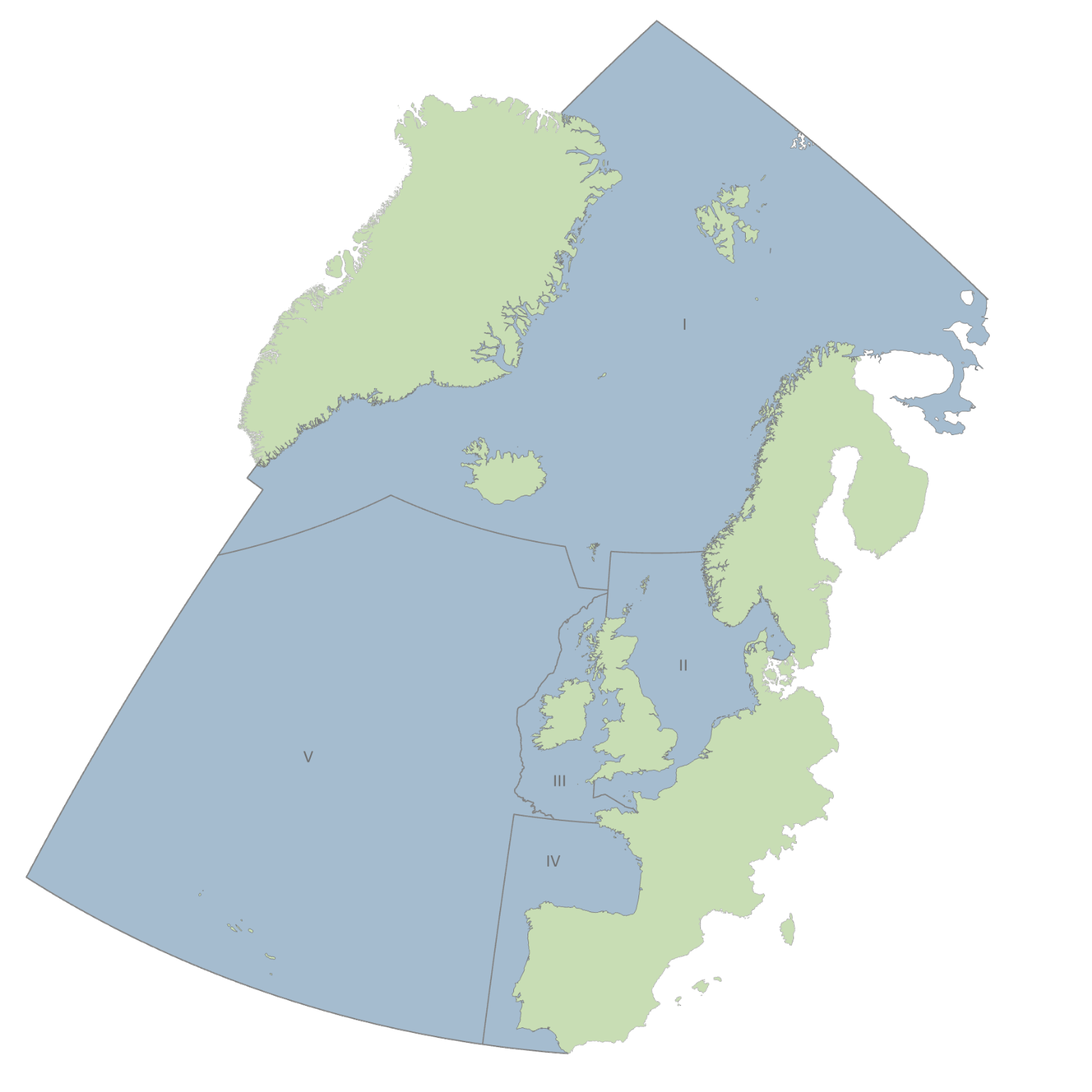
OSPAR Region: All Regions
Source of knowledge gap: QSR2023 - Human Activities Thematic Assessment
Future trends in fish stocks
ID Number: TBC
Knowledge gap description: Fisheries: Improve understanding of future trends, including impacts of climate change on fish stocks and the ecosystem, and instabilities caused by tensions over fisheries management or new fisheries.
Knowledge Gap Category:
7. emerging issues of human activities
Assessment Category:
Thematic assessment
Relevant for MSFD Art 8:
N/A
Implementation Status
OSPAR Region: All Regions
Source of knowledge gap: QSR2023 - Human Activities Thematic Assessment
Understand how MSY influences other ecosystem components
ID Number: TBC
Knowledge gap description: Fisheries: OSPAR should improve its understanding of how fishing at maximum sustainable yield (MSY) influences other components of the ecosystem and ecosystem health overall, and its understanding of future trends.
Topics:
Knowledge Gap Category:
7. emerging issues of human activities
Assessment Category:
Thematic assessment
Relevant for MSFD Art 8:
N/A
Implementation Status
OSPAR Region: All Regions
Source of knowledge gap: QSR2023 - Human Activities Thematic Assessment
Harmful fishing activities that need particular focus
ID Number: TBC
Knowledge gap description: Fisheries: OSPAR will continue to identify which fishing activities need particular focus from fisheries management authorities as posing a threat to species, habitats, biodiversity and ecosystems, including pressures affecting sea floor integrity, and litter from fishing activities.
Knowledge Gap Category:
7. emerging issues of human activities
Assessment Category:
Thematic assessment
Relevant for MSFD Art 8:
N/A
Implementation Status
OSPAR Region: All Regions
Source of knowledge gap: QSR2023 - Human Activities Thematic Assessment
Implications from geoengineering
ID Number: TBC
Knowledge gap description: Geoengineering: the implications of most geoengineering techniques (e.g., carbon dioxide removal, ocean fertilisation, solar radiation management) are largely unknown with respect to feasibility and their impacts require further research.
Topics:
Knowledge Gap Category:
7. emerging issues of human activities
Assessment Category:
Thematic assessment
Relevant for MSFD Art 8:
N/A
Implementation Status
OSPAR Region: All Regions
Source of knowledge gap: QSR2023 - Human Activities Thematic Assessment
BAT for mine tailings
ID Number: TBC
Knowledge gap description: Sea disposal of mine tailings: Work is being done to develop best available technology (BAT) for sea tailings disposal and to improve understanding of this activity.
Topics:
Knowledge Gap Category:
7. emerging issues of human activities
Assessment Category:
Thematic assessment
Relevant for MSFD Art 8:
N/A
Implementation Status
OSPAR Region: All Regions
Source of knowledge gap: QSR2023 - Human Activities Thematic Assessment
Understanding impacts of changes in species used for aquaculture
ID Number: TBC
Knowledge gap description: Marine aquaculture in the OSPAR region is mainly with a few species. The EU Aquaspace project noted that more understanding and new strategies would be needed if this were to change.
Topics:
Knowledge Gap Category:
4. data coverage
Assessment Category:
Other assessment
Relevant for MSFD Art 8:
N/A
Implementation Status
OSPAR Region: All Regions
Source of knowledge gap: QSR2023 - Feeder Report 2021 - Aquaculture
Seaweed aquaculture
ID Number: TBC
Knowledge gap description: Understanding of possible impacts from expansion of seaweed aquaculture such as disease, alteration in population genetics and alterations to the physio-chemical environment needs to be developed.
Topics:
Knowledge Gap Category:
4. data coverage
Assessment Category:
Other assessment
Relevant for MSFD Art 8:
N/A
Implementation Status
OSPAR Region: All Regions
Source of knowledge gap: QSR2023 - Feeder Report 2021 - Aquaculture
Offshore and large-scale aquaculture
ID Number: TBC
Knowledge gap description: OSPAR should increase its understanding of the potential impacts of future growth in aquaculture production in the OSPAR Maritime Area, including development of offshore and large-scale aquaculture (e.g., in relation to spatial planning, the risk of spread of non-indigenous species or parasites, or contamination of water with hazardous substances, pharmaceuticals, or nutrients).
Knowledge Gap Category:
5. cumulative effects & integration
Assessment Category:
Other assessment
Relevant for MSFD Art 8:
D2C1, D2C2, D2C3, D8C1, D5C1
Implementation Status
OSPAR Region: All Regions
Source of knowledge gap: QSR2023 - Feeder Report 2021 - Aquaculture
Reporting escapes from Aquaculture
ID Number: TBC
Knowledge gap description: Escapes: There could be improvement in reporting of escapes, defining the cause of escapes, and understanding the impacts on wild populations.
Topics:
Knowledge Gap Category:
4. data coverage
Assessment Category:
Other assessment
Relevant for MSFD Art 8:
N/A
Implementation Status
OSPAR Region: All Regions
Source of knowledge gap: QSR2023 - Feeder Report 2021 - Aquaculture
Bivalve aquaculture
ID Number: TBC
Knowledge gap description: Knowledge gaps and areas for future research identified by ICES include ecological carrying capacity, the impacts of different methods of bivalve culture in different environments, the use and control of non-native species, unexplained variation in the availability and settlement of seed mussels, and impacts on birds, mammals and sensitive habitats
Topics:
Knowledge Gap Category:
4. data coverage
Assessment Category:
Other assessment
Relevant for MSFD Art 8:
N/A
Implementation Status
OSPAR Region: All Regions
Source of knowledge gap: QSR2023 - Feeder Report 2021 - Aquaculture
Establishing baseline conditions for emerging contaminants
ID Number: BE07.2
Knowledge gap description: Consider regularly amending OSPAR Guidelines for the Management of Dredged Material to include emerging chemicals in order that baseline conditions can be established, and subsequent trends monitored.
Topics:
Knowledge Gap Category:
2. thresholds & references
Assessment Category:
Other assessment
Relevant for MSFD Art 8:
D8C1
Implementation Status
OSPAR Region: All Regions
Source of knowledge gap: QSR2023 - Assessment of Data on the Management of Wastes or Other Matter (Dredged Material) 2008 - 2020
Contribution of litter/debris and microplastics in dredge materials
ID Number: BE07.3
Knowledge gap description: Develop and roll out techniques for regular assessment of the contribution of litter / debris and microplastics to adverse impacts of dredged material.
Knowledge Gap Category:
1. indicator development
Assessment Category:
Other assessment
Relevant for MSFD Art 8:
N/A
Implementation Status
OSPAR Region: All Regions
Source of knowledge gap: QSR2023 - Assessment of Data on the Management of Wastes or Other Matter (Dredged Material) 2008 - 2020
Dredging and dumping as part of cumulative impacts
ID Number: BE07.4
Knowledge gap description: Include dredging and dumping as part of overall cumulative impact assessment.
Topics:
Knowledge Gap Category:
5. cumulative effects & integration
Assessment Category:
Other assessment
Relevant for MSFD Art 8:
N/A
Implementation Status
OSPAR Region: All Regions
Source of knowledge gap: QSR2023 - Assessment of Data on the Management of Wastes or Other Matter (Dredged Material) 2008 - 2020
Need to incorportate issues on cumulative effects
ID Number: TBC
Knowledge gap description: Further work is needed on how to incorporate issues such as the valuation of change over time, within current work/tools on cumulative assessment in the marine environment.
Topics:
Knowledge Gap Category:
5. cumulative effects & integration
Assessment Category:
Other assessment
Relevant for MSFD Art 8:
N/A
Implementation Status
OSPAR Region: All Regions
Source of knowledge gap: QSR2023 - Feeder Report 2021 - Extraction of non-living Resources
Understanding restorative techniques for deep seabed mining
ID Number: TBC
Knowledge gap description: Extent and nature of deep sea mining environmental impacts are uncertain, given the rate of change in the technical approaches proposed, and the mitigation and restorative techniques still in development. Development of mitigation or restorative techniques for deep sea mining is at an early stage, and there are substantial gaps in understanding.
Topics:
Knowledge Gap Category:
4. data coverage
Assessment Category:
Other assessment
Relevant for MSFD Art 8:
N/A
Implementation Status
OSPAR Region: All Regions
Source of knowledge gap: QSR2023 - Feeder Report 2021 - Extraction of non-living Resources
Future trends in extraction of non-living resources
ID Number: TBC
Knowledge gap description: Future trends are uncertain and dependent on factors such as the scale of construction activity and availability of alternative materials.
Topics:
Knowledge Gap Category:
5. cumulative effects & integration
Assessment Category:
Other assessment
Relevant for MSFD Art 8:
N/A
Implementation Status
OSPAR Region: All Regions
Source of knowledge gap: QSR2023 - Feeder Report 2021 - Extraction of non-living Resources
Address uncertainties about extraction activities
ID Number: TBC
Knowledge gap description: ICES notes that there is still much uncertainty about the nature of extraction activities in the north-east Atlantic in terms of geography, water depth, potential pressures and sensitivity of habitats.
Topics:
Knowledge Gap Category:
4. data coverage
Assessment Category:
Other assessment
Relevant for MSFD Art 8:
N/A
Implementation Status
OSPAR Region: All Regions
Source of knowledge gap: QSR2023 - Feeder Report 2021 - Extraction of non-living Resources
Impacts from fishing activities on biodiversity and ecosystems
ID Number: TBC
Knowledge gap description: Identify which fishing activities need particular focus from fisheries management authorities as they pose a threat to biodiversity and ecosystems, and where, and which other human activities are affecting the fishing resource. This could include assessment of impacts in different regions, including where pressures on sea floor integrity might have the most significant negative impact on ecosystems.
Knowledge Gap Category:
7. emerging issues of human activities
Assessment Category:
Other assessment
Relevant for MSFD Art 8:
D3C1, D3C2, D3C3, D6C4, D6C5
Implementation Status
OSPAR Region: All Regions
Source of knowledge gap: QSR2023 - Feeder Report 2021 - Fisheries
Uncertainties in analysing and modelling Exhaust Gas Cleaning System discharge totals
ID Number: TBC
Knowledge gap description: Uncertainties in analysing and modelling Exhaust Gas Cleaning System (EGCS) discharge totals based on emission factors, power predictions, discharge rates, and accuracy of ship fleet data.
Topics:
Knowledge Gap Category:
4. data coverage
Assessment Category:
Other assessment
Relevant for MSFD Art 8:
N/A
Implementation Status
OSPAR Region: All Regions
Source of knowledge gap: QSR2023 - Modelling of discharges to the marine environment from open circuit flue gas scrubbers on ships in the OSPAR Maritime Area
Environmental impacts of scrubbers and drift modell to see where the pollution goes
ID Number: TBC
Knowledge gap description: Environmental impacts of ECGS needs further analysis from more ships of ecotoxicology and modelling to assess environmental impacts of scrubbers and also needs a drift modell to see where the pollution goes.
Topics:
Knowledge Gap Category:
4. data coverage
Assessment Category:
Other assessment
Relevant for MSFD Art 8:
N/A
Implementation Status
OSPAR Region: All Regions
Source of knowledge gap: QSR2023 - Modelling of discharges to the marine environment from open circuit flue gas scrubbers on ships in the OSPAR Maritime Area
Improved fuel characterization standards
ID Number: TBC
Knowledge gap description: In addition to increased monitoring efforts for contaminants, there is a need for improved fuel characterization standards.
Topics:
Knowledge Gap Category:
2. thresholds & references
Assessment Category:
Other assessment
Relevant for MSFD Art 8:
N/A
Implementation Status
OSPAR Region: All Regions
Source of knowledge gap: QSR2023 - Modelling of discharges to the marine environment from open circuit flue gas scrubbers on ships in the OSPAR Maritime Area
More extensive characterization of different types of low sulphur fuel oils
ID Number: TBC
Knowledge gap description: There is an immediate need for more extensive characterization of different types of low sulphur fuel oils, such as VLSFO (very low sulphur fuel oil, 0.5% S) and ULSFO (ultra-low sulphur fuel oil, 0.1%).
Topics:
Knowledge Gap Category:
2. thresholds & references
Assessment Category:
Other assessment
Relevant for MSFD Art 8:
N/A
Implementation Status
OSPAR Region: All Regions
Source of knowledge gap: QSR2023 - Modelling of discharges to the marine environment from open circuit flue gas scrubbers on ships in the OSPAR Maritime Area
Possible environmental impact resulting from all fuel alternatives
ID Number: TBC
Knowledge gap description: There is a need for better understanding of the possible environmental impact resulting from all available fuel alternatives.
Topics:
Knowledge Gap Category:
4. data coverage
Assessment Category:
Other assessment
Relevant for MSFD Art 8:
N/A
Implementation Status
OSPAR Region: All Regions
Source of knowledge gap: QSR2023 - Modelling of discharges to the marine environment from open circuit flue gas scrubbers on ships in the OSPAR Maritime Area
Harmonise monitoring methodology for offshore energy
ID Number: TBC
Knowledge gap description: Knowledge gap in how best to harmonise monitoring methodology for offshore energy
Knowledge Gap Category:
5. cumulative effects & integration
Assessment Category:
Other assessment
Relevant for MSFD Art 8:
N/A
Implementation Status
OSPAR Region: All Regions
Source of knowledge gap: QSR2023 - Feeder Report 2021 - Offshore Renewable Energy Generation