
OSPAR Science Agenda Knowledge Gap Portal
Welcome to the OSPAR Science Agenda knowledge gap portal. The page showcases important scientific questions and evidence needs identified by OSPAR to help protect and sustainably manage the North-East Atlantic. Use the filters and search options below to explore knowledge gaps by topic, category, region, and status, or browse visually to discover areas where new research, data, or collaborations are needed. The aim is to make it easy for anyone - scientists, funders, and policy makers to understand the current priorities, access key details, and get involved in helping to close these important gaps for a healthier ocean future.
Showing 101 - 125 of 337 items
Ecosystem components not regularly monitored but important food resources
ID Number: BB27.02
Knowledge gap description: Consider how to deal with ecosystem components that were not regularly monitored but important food resources in the food web. Data lacking for: biomass data on organisms < 1mm (e.g., bacteria, meiofauna); essential food resources for benthic species and smaller demersal fish species.
Knowledge Gap Category:
4. data coverage
Assessment Category:
Pilot assessment
Relevant for MSFD Art 8:
D4C1, D4C2, D4C3, D4C4
Implementation Status
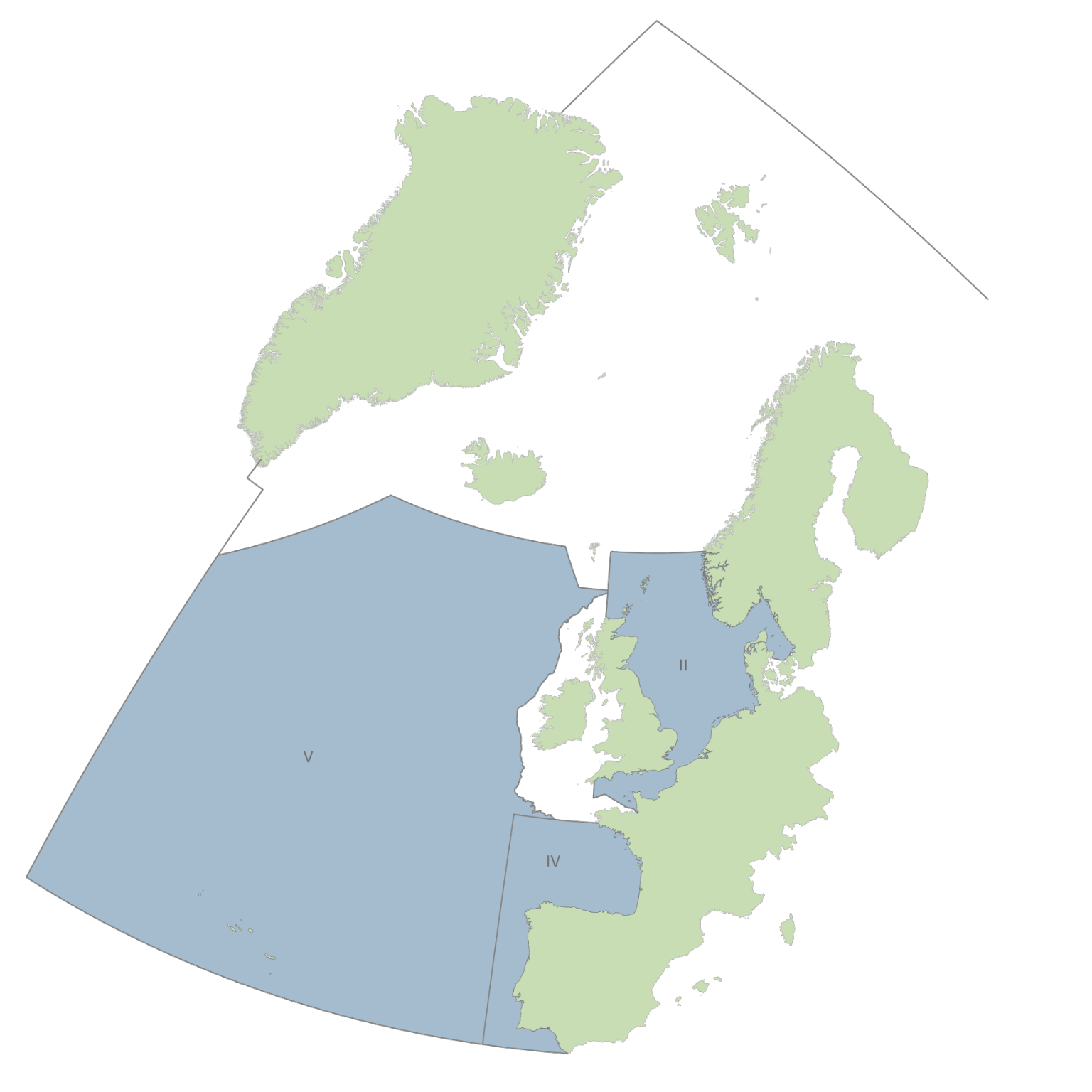
OSPAR Region: Greater North Sea, Bay of Biscay and Iberian Coast, Wider Atlantic
Source of knowledge gap: QSR2023 - Pilot Assessment of Ecological Network Analysis Indices
Compare between relevant food web, and other biodiversity indicators with FW9
ID Number: BB27.04b
Knowledge gap description: Harmonisation: Compare between relevant food web (including other model based indicators, e.g. based on EwE (Ecopath with Ecosim), and other biodiversity indicators with FW9.
Topics:
Knowledge Gap Category:
1. indicator development
Assessment Category:
Pilot assessment
Relevant for MSFD Art 8:
D4C1, D4C2, D4C3, D4C4
Implementation Status
OSPAR Region: Greater North Sea, Bay of Biscay and Iberian Coast, Wider Atlantic
Source of knowledge gap: QSR2023 - Pilot Assessment of Ecological Network Analysis Indices
Consistency in temporal resolution across indicators for food webs
ID Number: BB27.04c
Knowledge gap description: Harmonisation: consistency in temporal resolution across indicators. Different temporal resolutions for observations (e.g., FW2 monthly resolution, FW9 yearly resolution) could lead to different conclusions.
Topics:
Knowledge Gap Category:
1. indicator development
Assessment Category:
Pilot assessment
Relevant for MSFD Art 8:
D4C1, D4C2, D4C3, D4C4
Implementation Status
OSPAR Region: Greater North Sea, Bay of Biscay and Iberian Coast, Wider Atlantic
Source of knowledge gap: QSR2023 - Pilot Assessment of Ecological Network Analysis Indices
Baselines and thresholds for the indicator on the Assessment of Ecological Network Analysis Indices
ID Number: BB27.05
Knowledge gap description: Determine appropriate baselines and thresholds for the indicator.
Topics:
Knowledge Gap Category:
2. thresholds & references
Assessment Category:
Pilot assessment
Relevant for MSFD Art 8:
D4C1, D4C2, D4C3, D4C4
Implementation Status
OSPAR Region: Greater North Sea, Bay of Biscay and Iberian Coast, Wider Atlantic
Source of knowledge gap: QSR2023 - Pilot Assessment of Ecological Network Analysis Indices
Influence of various anthropogenic stressors, using pressure-state relationships to define thresholds and assessments values.
ID Number: BB27.06
Knowledge gap description: Investigate the influence of various (cumulative) anthropogenic stressors using pressure-state relationships that help to further define thresholds and assessments values by looking for commonalities. The pressures effects on ecological network analysis (ENA) indices need to be studied (1) separately, and (2) under multi-pressure conditions (the cumulative effects).
Topics:
Knowledge Gap Category:
5. cumulative effects & integration
Assessment Category:
Pilot assessment
Relevant for MSFD Art 8:
D4C1, D4C2, D4C3, D4C4
Implementation Status
OSPAR Region: Greater North Sea, Bay of Biscay and Iberian Coast, Wider Atlantic
Source of knowledge gap: QSR2023 - Pilot Assessment of Ecological Network Analysis Indices
Additional datasets to improve the confidence of indicator on the assessment of ecological network analysis indices' result
ID Number: BB27.07
Knowledge gap description: Include additional datasets to improve the confidence of indicator's result especially for remaining OSPAR Regions and additional COMP areas.
Topics:
Knowledge Gap Category:
4. data coverage
Assessment Category:
Pilot assessment
Relevant for MSFD Art 8:
D4C1, D4C2, D4C3, D4C4
Implementation Status
OSPAR Region: Greater North Sea, Bay of Biscay and Iberian Coast, Wider Atlantic
Source of knowledge gap: QSR2023 - Pilot Assessment of Ecological Network Analysis Indices
Stomach contents data to classify taxa size classes into feeding guilds
ID Number: TBC
Knowledge gap description: Taxa size classes were observed in the surveys but are not yet classified into feeding guilds because of insufficient stomach contents data.
Knowledge Gap Category:
4. data coverage
Assessment Category:
Pilot assessment
Relevant for MSFD Art 8:
D4C1, D4C2, D4C3, D4C4
Implementation Status
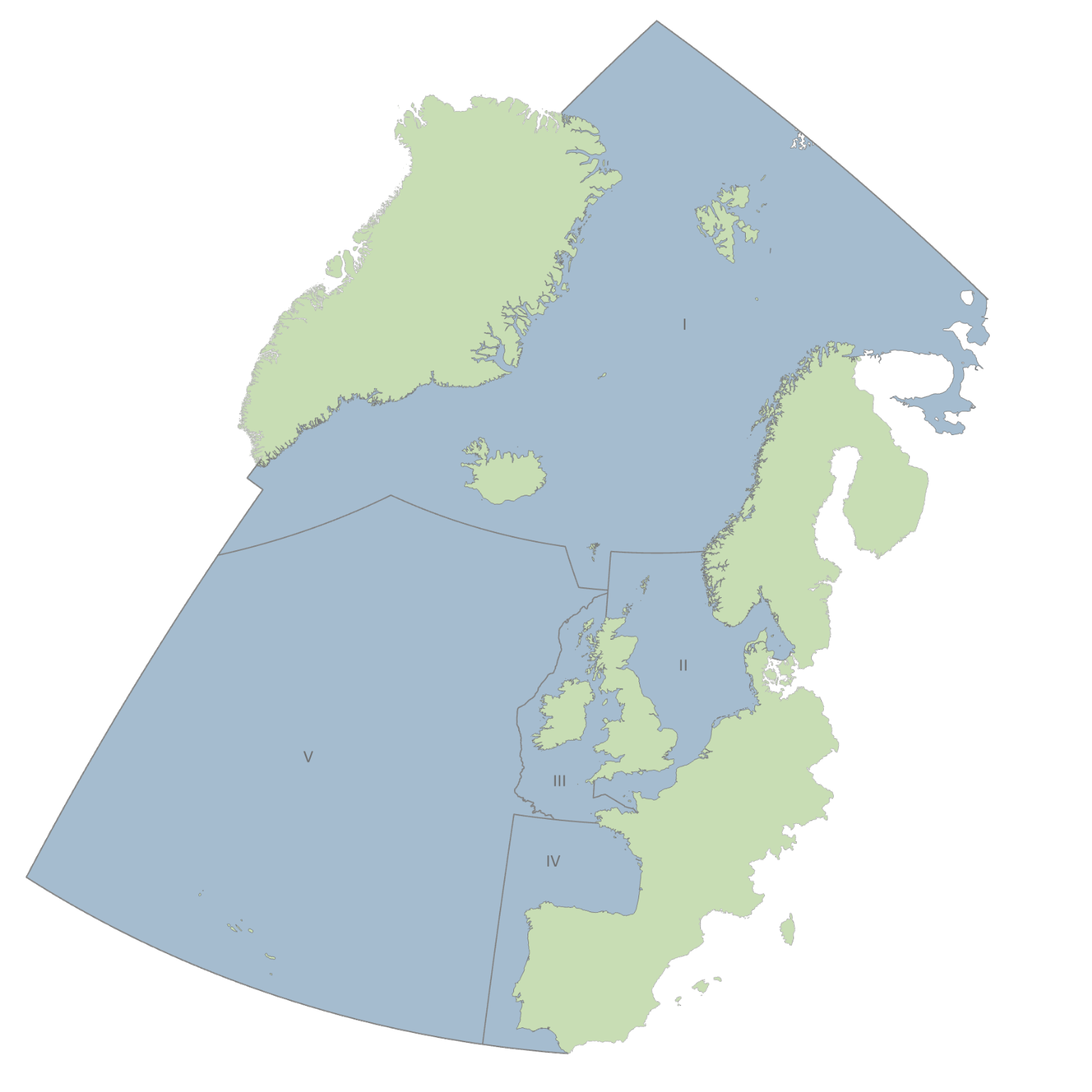
OSPAR Region: All Regions
Source of knowledge gap: QSR2023 - Pilot Assessment of Feeding Guilds
Feeding guild responses to environmental and anthropogenic pressures.
ID Number: TBC
Knowledge gap description: Feeding guild responses to environmental and anthropogenic pressures were not considered.
Knowledge Gap Category:
1. indicator development
Assessment Category:
Pilot assessment
Relevant for MSFD Art 8:
D4C1, D4C2, D4C3, D4C4
Implementation Status
OSPAR Region: All Regions
Source of knowledge gap: QSR2023 - Pilot Assessment of Feeding Guilds
Knock-on effects of change in feeding guilds across assemblages
ID Number: TBC
Knowledge gap description: The knock-on effects of change in feeding guilds across assemblages (plankton, benthos, top predators) requires further research.
Knowledge Gap Category:
5. cumulative effects & integration
Assessment Category:
Pilot assessment
Relevant for MSFD Art 8:
D4C1, D4C2, D4C3, D4C4
Implementation Status
OSPAR Region: All Regions
Source of knowledge gap: QSR2023 - Pilot Assessment of Feeding Guilds
Data availability for determining trophic guilds
ID Number: TBC
Knowledge gap description: Where diet data are not yet available (e.g. Portugal), feeding guilds have been inferred based on data from adjacent areas.
Knowledge Gap Category:
4. data coverage
Assessment Category:
Pilot assessment
Relevant for MSFD Art 8:
D4C1, D4C2, D4C3, D4C4
Implementation Status
OSPAR Region: All Regions
Source of knowledge gap: QSR2023 - Pilot Assessment of Feeding Guilds
Prey sampling methods
ID Number: TBC
Knowledge gap description: Morphological analysis of stomach contents may under-sample certain prey, e.g. those comprised of only soft tissues.
Knowledge Gap Category:
4. data coverage
Assessment Category:
Pilot assessment
Relevant for MSFD Art 8:
D4C1, D4C2, D4C3, D4C4
Implementation Status
OSPAR Region: All Regions
Source of knowledge gap: QSR2023 - Pilot Assessment of Feeding Guilds
Determination of predator-prey mass ratios
ID Number: TBC
Knowledge gap description: Predator-prey mass ratios (PPMRs) are based on prey weights from stomach contents and may thus be affected by varying levels and rates of digestion.
Knowledge Gap Category:
2. thresholds & references
Assessment Category:
Pilot assessment
Relevant for MSFD Art 8:
D4C1, D4C2, D4C3, D4C4
Implementation Status
OSPAR Region: All Regions
Source of knowledge gap: QSR2023 - Pilot Assessment of Feeding Guilds
Guilds classification for top predators and organisms lower in the food web.
ID Number: TBC
Knowledge gap description: Top-predators (e.g. seabirds, cetaceans) and organisms lower in the food web (e.g. benthos, plankton) have not yet been classified into guilds but diet databases for such taxa do exist and could be included in future.
Knowledge Gap Category:
4. data coverage
Assessment Category:
Pilot assessment
Relevant for MSFD Art 8:
D4C1, D4C2, D4C3, D4C4
Implementation Status
OSPAR Region: All Regions
Source of knowledge gap: QSR2023 - Pilot Assessment of Feeding Guilds
Sampling of Pelagic fish species and juvenile fish
ID Number: TBC
Knowledge gap description: Pelagic fish species and juvenile fish are under-sampled using trawls. Acoustic methods and catchability corrections can be applied to address some of these issues, but have not yet been applied at the scale of the OSPAR area.
Knowledge Gap Category:
4. data coverage
Assessment Category:
Pilot assessment
Relevant for MSFD Art 8:
D4C1, D4C2, D4C3, D4C4
Implementation Status
OSPAR Region: All Regions
Source of knowledge gap: QSR2023 - Pilot Assessment of Feeding Guilds
Methodology to precisely define the natural cycle of primary production.
ID Number: BB14.01
Knowledge gap description: Methodology improvement must be carried out to more precisely define the natural cycle of primary production. The current assessment assumes that primary production fluctuates over a consistent annual cycle, but this is not the case.
Topics:
Knowledge Gap Category:
1. indicator development
Assessment Category:
Pilot assessment
Relevant for MSFD Art 8:
D4C1, D4C2, D4C3, D4C4, D1C6
Implementation Status
OSPAR Region: All Regions
Source of knowledge gap: QSR2023 - Pilot Assessment of Primary Productivity
Methodology for trend characterisation and consideration of multiple regimes shifts.
ID Number: BB14.02
Knowledge gap description: Improve methodology for trend characterisation. Multiple regimes shifts instead of a single long-term trend should be considered.
Topics:
Knowledge Gap Category:
4. data coverage
Assessment Category:
Pilot assessment
Relevant for MSFD Art 8:
D4C1, D4C2, D4C3, D4C4, D1C6
Implementation Status
OSPAR Region: All Regions
Source of knowledge gap: QSR2023 - Pilot Assessment of Primary Productivity
Comparison to relevant pelagic habitat and food web indicators (FW2 and PH2) to better address the extent of changes.
ID Number: BB14.03
Knowledge gap description: Comparison should be made to relevant pelagic habitat and food web indicators (FW2 and PH2) to better address the extent of changes.
Knowledge Gap Category:
1. indicator development
Assessment Category:
Pilot assessment
Relevant for MSFD Art 8:
D4C1, D4C2, D4C3, D4C4, D1C6
Implementation Status
OSPAR Region: All Regions
Source of knowledge gap: QSR2023 - Pilot Assessment of Primary Productivity
In-situ measurements of primary production for the different habitats within the different OSPAR Regions.
ID Number: BB14.04
Knowledge gap description: Aquisition of in-situ measurements of primary production should be reinforced for the different habitats within the different OSPAR Regions. Existing monitoring must also be maintained.
Topics:
Knowledge Gap Category:
4. data coverage
Assessment Category:
Pilot assessment
Relevant for MSFD Art 8:
D4C1, D4C2, D4C3, D4C4, D1C6
Implementation Status
OSPAR Region: All Regions
Source of knowledge gap: QSR2023 - Pilot Assessment of Primary Productivity
Time-series of real primary production estimations in the field.
ID Number: BB14.05
Knowledge gap description: More time-series of real primary production estimations in the field should be included. This will also allow comparison between data originating from different monitoring strategies to define which monitoring strategy is the most suitable per habitat.
Topics:
Knowledge Gap Category:
4. data coverage
Assessment Category:
Pilot assessment
Relevant for MSFD Art 8:
D4C1, D4C2, D4C3, D4C4, D1C6
Implementation Status
OSPAR Region: All Regions
Source of knowledge gap: QSR2023 - Pilot Assessment of Primary Productivity
Additional datasets particularly for the Bay of Biscay and Iberian Coast.
ID Number: BB14.06
Knowledge gap description: Additional datasets particularly for the Bay of Biscay and Iberian Coast should be included. This will allow the computation of the indicator within variable salinity habitats and improve the spatial and temporal confidence of the FW2 indicator for the variable salinity, coastal, shelf and oceanic habitats. Carry out links to PH1/FW5 to capture shifts between pairs of lifeforms resulting from changes in primary production.
Topics:
Knowledge Gap Category:
1. indicator development
Assessment Category:
Pilot assessment
Relevant for MSFD Art 8:
D4C1, D4C2, D4C3, D4C4, D1C6
Implementation Status
OSPAR Region: All Regions
Source of knowledge gap: QSR2023 - Pilot Assessment of Primary Productivity
Use of remote sensing data within estuaries, plumes and coastal habitats.
ID Number: BB14.07
Knowledge gap description: Refine the use of remote sensing data within estuaries, plumes and coastal habitats. Examine satellite data at finer spatial scale and improve assessment from remote sensing for turbid and eutrophic water bodies, in particular in variable salinity and coastal habitats of the Greater North Sea (OSPAR Region II)._x000D_
Topics:
Knowledge Gap Category:
4. data coverage
Assessment Category:
Pilot assessment
Relevant for MSFD Art 8:
D4C1, D4C2, D4C3, D4C4, D1C6
Implementation Status
OSPAR Region: All Regions
Source of knowledge gap: QSR2023 - Pilot Assessment of Primary Productivity
Index for spatial and temporal confidence of the results
ID Number: BB14.08
Knowledge gap description: An index for spatial and temporal confidence of the results should be proposed.
Topics:
Knowledge Gap Category:
2. thresholds & references
Assessment Category:
Pilot assessment
Relevant for MSFD Art 8:
D4C1, D4C2, D4C3, D4C4, D1C6
Implementation Status
OSPAR Region: All Regions
Source of knowledge gap: QSR2023 - Pilot Assessment of Primary Productivity
Links between indicator FW2 and pressures to identify the origin of the pressures.
ID Number: BB14.09
Knowledge gap description: The links between FW2 and pressures should be refined to identify the origin of the pressures. Future work should make the distinction between natural versus human induced pressure as well as the origin of natural pressures. Also, introduction of a lag into the variable selection is needed to test for delayed effects of environmental pressures on primary production.
Topics:
Knowledge Gap Category:
1. indicator development
Assessment Category:
Pilot assessment
Relevant for MSFD Art 8:
D4C1, D4C2, D4C3, D4C4, D1C6
Implementation Status
OSPAR Region: All Regions
Source of knowledge gap: QSR2023 - Pilot Assessment of Primary Productivity
Defining threshold values for indicators related to food webs
ID Number: TBC
Knowledge gap description: Most indicators have no agreed threshold value so status assessment is based on expert judgement.
Topics:
Knowledge Gap Category:
2. thresholds & references
Assessment Category:
Thematic assessment
Relevant for MSFD Art 8:
D4C1, D4C2, D4C3, D4C4
Implementation Status
OSPAR Region: All Regions
Source of knowledge gap: QSR2023 - Food webs Thematic Assessment
Data availability for indicators assessment
ID Number: TBC
Knowledge gap description: Some indicators were not assessed in some regions because of a lack of data.
Topics:
Knowledge Gap Category:
4. data coverage
Assessment Category:
Thematic assessment
Relevant for MSFD Art 8:
D4C1, D4C2, D4C3, D4C4
Implementation Status
OSPAR Region: All Regions
Source of knowledge gap: QSR2023 - Food webs Thematic Assessment