OSPAR Science Agenda Knowledge Gap Portal
Welcome to the OSPAR Science Agenda knowledge gap portal. The page showcases important scientific questions and evidence needs identified by OSPAR to help protect and sustainably manage the North-East Atlantic. Use the filters and search options below to explore knowledge gaps by topic, category, region, and status, or browse visually to discover areas where new research, data, or collaborations are needed. The aim is to make it easy for anyone - scientists, funders, and policy makers to understand the current priorities, access key details, and get involved in helping to close these important gaps for a healthier ocean future.
Showing 126 - 150 of 168 items
Contribution of litter/debris and microplastics in dredge materials
ID Number: BE07.3
Knowledge gap description: Develop and roll out techniques for regular assessment of the contribution of litter / debris and microplastics to adverse impacts of dredged material.
Knowledge Gap Category:
1. indicator development
Assessment Category:
Other assessment
Relevant for MSFD Art 8:
N/A
Implementation Status
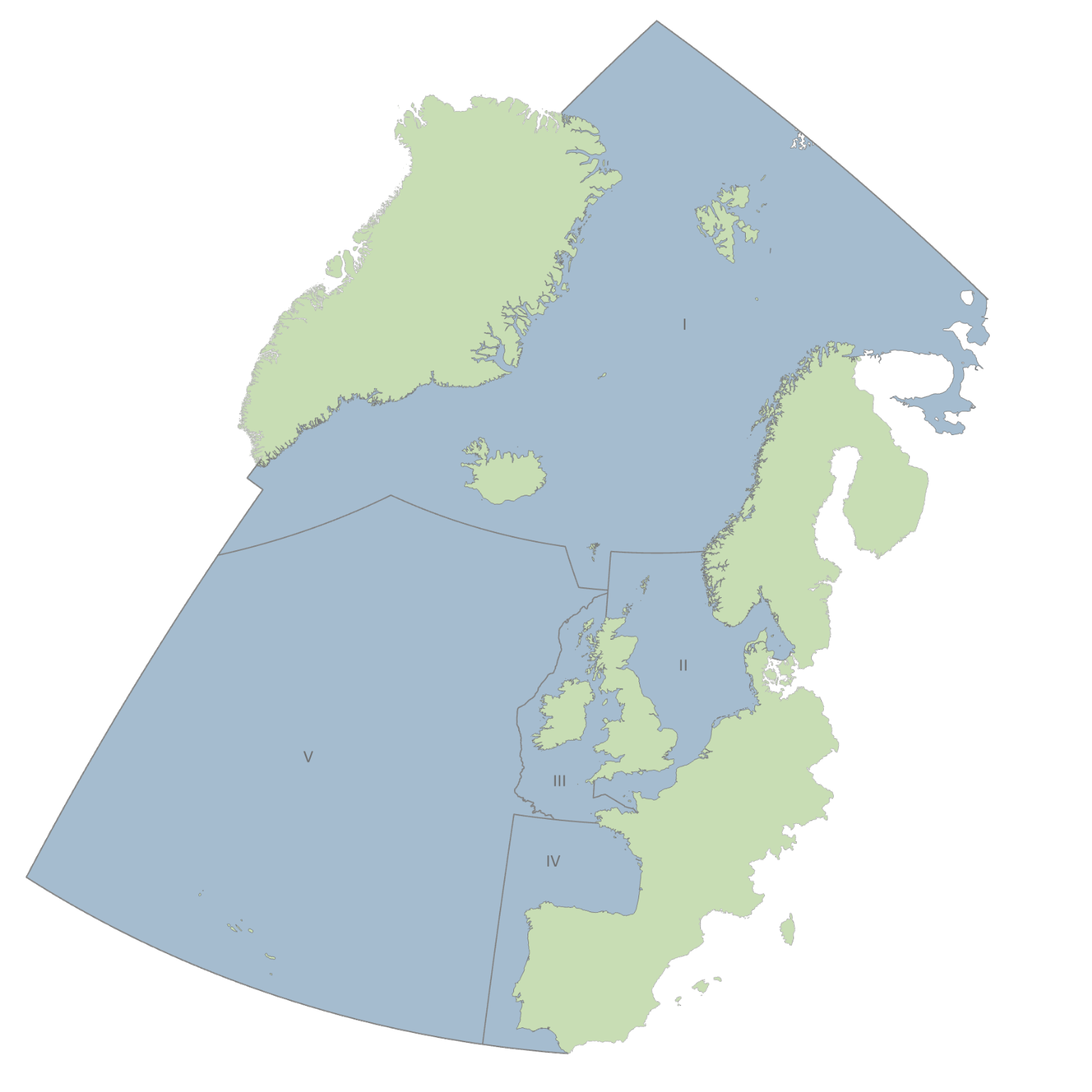
OSPAR Region: All Regions
Source of knowledge gap: QSR2023 - Assessment of Data on the Management of Wastes or Other Matter (Dredged Material) 2008 - 2020
Dredging and dumping as part of cumulative impacts
ID Number: BE07.4
Knowledge gap description: Include dredging and dumping as part of overall cumulative impact assessment.
Topics:
Knowledge Gap Category:
5. cumulative effects & integration
Assessment Category:
Other assessment
Relevant for MSFD Art 8:
N/A
Implementation Status
OSPAR Region: All Regions
Source of knowledge gap: QSR2023 - Assessment of Data on the Management of Wastes or Other Matter (Dredged Material) 2008 - 2020
Need to incorportate issues on cumulative effects
ID Number: TBC
Knowledge gap description: Further work is needed on how to incorporate issues such as the valuation of change over time, within current work/tools on cumulative assessment in the marine environment.
Topics:
Knowledge Gap Category:
5. cumulative effects & integration
Assessment Category:
Other assessment
Relevant for MSFD Art 8:
N/A
Implementation Status
OSPAR Region: All Regions
Source of knowledge gap: QSR2023 - Feeder Report 2021 - Extraction of non-living Resources
Understanding restorative techniques for deep seabed mining
ID Number: TBC
Knowledge gap description: Extent and nature of deep sea mining environmental impacts are uncertain, given the rate of change in the technical approaches proposed, and the mitigation and restorative techniques still in development. Development of mitigation or restorative techniques for deep sea mining is at an early stage, and there are substantial gaps in understanding.
Topics:
Knowledge Gap Category:
4. data coverage
Assessment Category:
Other assessment
Relevant for MSFD Art 8:
N/A
Implementation Status
OSPAR Region: All Regions
Source of knowledge gap: QSR2023 - Feeder Report 2021 - Extraction of non-living Resources
Future trends in extraction of non-living resources
ID Number: TBC
Knowledge gap description: Future trends are uncertain and dependent on factors such as the scale of construction activity and availability of alternative materials.
Topics:
Knowledge Gap Category:
5. cumulative effects & integration
Assessment Category:
Other assessment
Relevant for MSFD Art 8:
N/A
Implementation Status
OSPAR Region: All Regions
Source of knowledge gap: QSR2023 - Feeder Report 2021 - Extraction of non-living Resources
Address uncertainties about extraction activities
ID Number: TBC
Knowledge gap description: ICES notes that there is still much uncertainty about the nature of extraction activities in the north-east Atlantic in terms of geography, water depth, potential pressures and sensitivity of habitats.
Topics:
Knowledge Gap Category:
4. data coverage
Assessment Category:
Other assessment
Relevant for MSFD Art 8:
N/A
Implementation Status
OSPAR Region: All Regions
Source of knowledge gap: QSR2023 - Feeder Report 2021 - Extraction of non-living Resources
Uncertainties on environmental impacts from EU fisheries
ID Number: TBC
Knowledge gap description: European Commission’s Joint Research Centre reported that there were uncertainties around the short- and long-term environmental impacts, as well as economic and social impacts, of the landing obligation (discard ban) introduced in EU member states.
Topics:
Knowledge Gap Category:
4. data coverage
Assessment Category:
Other assessment
Relevant for MSFD Art 8:
N/A
Implementation Status
OSPAR Region: All Regions
Source of knowledge gap: QSR2023 - Feeder Report 2021 - Fisheries
MSY influencing the ecosystems
ID Number: TBC
Knowledge gap description: OSPAR could consider how to improve its understanding of how fishing at Maximum Sustainable Yields levels influences other components of the ecosystem, and ecosystem health overall.
Topics:
Knowledge Gap Category:
5. cumulative effects & integration
Assessment Category:
Other assessment
Relevant for MSFD Art 8:
N/A
Implementation Status
OSPAR Region: All Regions
Source of knowledge gap: QSR2023 - Feeder Report 2021 - Fisheries
Lack of consistent fisheries approaches in the EU
ID Number: TBC
Knowledge gap description: Even at maximum sustainable yield (MSY) levels, fishing will have impacts on the ecosystem and its food webs. European Commission has noted that assessment of the state of food webs across European seas is affected by a lack of consistent approaches, high uncertainty, or lack of data.
Knowledge Gap Category:
4. data coverage
Assessment Category:
Other assessment
Relevant for MSFD Art 8:
D4C1, D4C2, D4C3, D4C4
Implementation Status
OSPAR Region: All Regions
Source of knowledge gap: QSR2023 - Feeder Report 2021 - Fisheries
Impacts from fishing activities on biodiversity and ecosystems
ID Number: TBC
Knowledge gap description: Identify which fishing activities need particular focus from fisheries management authorities as they pose a threat to biodiversity and ecosystems, and where, and which other human activities are affecting the fishing resource. This could include assessment of impacts in different regions, including where pressures on sea floor integrity might have the most significant negative impact on ecosystems.
Knowledge Gap Category:
7. emerging issues of human activities
Assessment Category:
Other assessment
Relevant for MSFD Art 8:
D3C1, D3C2, D3C3, D6C4, D6C5
Implementation Status
OSPAR Region: All Regions
Source of knowledge gap: QSR2023 - Feeder Report 2021 - Fisheries
Better understanding of the potential for and consequences of harvesting at lower trophic levels
ID Number: TBC
Knowledge gap description: Norway’s bioeconomy strategy noted that a better understanding of the potential for and consequences of harvesting at lower trophic levels was still needed
Topics:
Knowledge Gap Category:
4. data coverage
Assessment Category:
Other assessment
Relevant for MSFD Art 8:
D4C1, D4C2, D4C3, D4C4
Implementation Status
OSPAR Region: All Regions
Source of knowledge gap: QSR2023 - Feeder Report 2021 - Fisheries
Uncertainties in analysing and modelling Exhaust Gas Cleaning System discharge totals
ID Number: TBC
Knowledge gap description: Uncertainties in analysing and modelling Exhaust Gas Cleaning System (EGCS) discharge totals based on emission factors, power predictions, discharge rates, and accuracy of ship fleet data.
Topics:
Knowledge Gap Category:
4. data coverage
Assessment Category:
Other assessment
Relevant for MSFD Art 8:
N/A
Implementation Status
OSPAR Region: All Regions
Source of knowledge gap: QSR2023 - Modelling of discharges to the marine environment from open circuit flue gas scrubbers on ships in the OSPAR Maritime Area
Availability of riverine data from some countries
ID Number: TBC
Knowledge gap description: Contaminant loads of metals and Polycyclic Aromatic Hydrocarbons (PAHs) were calculated for OSPAR regions (Table 5 and Table 6) and a comparison with riverine input data (year 2019) from OSPAR Riverine Inputs and Direct Discharges monitoring programme (RID) were made with respect to some metals. However, riverine data are missing from some countries.
Topics:
Knowledge Gap Category:
4. data coverage
Assessment Category:
Other assessment
Relevant for MSFD Art 8:
D8C1
Implementation Status
OSPAR Region: All Regions
Source of knowledge gap: QSR2023 - Modelling of discharges to the marine environment from open circuit flue gas scrubbers on ships in the OSPAR Maritime Area
Environmental impacts of scrubbers and drift modell to see where the pollution goes
ID Number: TBC
Knowledge gap description: Environmental impacts of ECGS needs further analysis from more ships of ecotoxicology and modelling to assess environmental impacts of scrubbers and also needs a drift modell to see where the pollution goes.
Topics:
Knowledge Gap Category:
4. data coverage
Assessment Category:
Other assessment
Relevant for MSFD Art 8:
N/A
Implementation Status
OSPAR Region: All Regions
Source of knowledge gap: QSR2023 - Modelling of discharges to the marine environment from open circuit flue gas scrubbers on ships in the OSPAR Maritime Area
Improved fuel characterization standards
ID Number: TBC
Knowledge gap description: In addition to increased monitoring efforts for contaminants, there is a need for improved fuel characterization standards.
Topics:
Knowledge Gap Category:
2. thresholds & references
Assessment Category:
Other assessment
Relevant for MSFD Art 8:
N/A
Implementation Status
OSPAR Region: All Regions
Source of knowledge gap: QSR2023 - Modelling of discharges to the marine environment from open circuit flue gas scrubbers on ships in the OSPAR Maritime Area
More extensive characterization of different types of low sulphur fuel oils
ID Number: TBC
Knowledge gap description: There is an immediate need for more extensive characterization of different types of low sulphur fuel oils, such as VLSFO (very low sulphur fuel oil, 0.5% S) and ULSFO (ultra-low sulphur fuel oil, 0.1%).
Topics:
Knowledge Gap Category:
2. thresholds & references
Assessment Category:
Other assessment
Relevant for MSFD Art 8:
N/A
Implementation Status
OSPAR Region: All Regions
Source of knowledge gap: QSR2023 - Modelling of discharges to the marine environment from open circuit flue gas scrubbers on ships in the OSPAR Maritime Area
Possible environmental impact resulting from all fuel alternatives
ID Number: TBC
Knowledge gap description: There is a need for better understanding of the possible environmental impact resulting from all available fuel alternatives.
Topics:
Knowledge Gap Category:
4. data coverage
Assessment Category:
Other assessment
Relevant for MSFD Art 8:
N/A
Implementation Status
OSPAR Region: All Regions
Source of knowledge gap: QSR2023 - Modelling of discharges to the marine environment from open circuit flue gas scrubbers on ships in the OSPAR Maritime Area
Harmonise monitoring methodology for offshore energy
ID Number: TBC
Knowledge gap description: Knowledge gap in how best to harmonise monitoring methodology for offshore energy
Knowledge Gap Category:
5. cumulative effects & integration
Assessment Category:
Other assessment
Relevant for MSFD Art 8:
N/A
Implementation Status
OSPAR Region: All Regions
Source of knowledge gap: QSR2023 - Feeder Report 2021 - Offshore Renewable Energy Generation
Environmental impacts of noise from wind farms during construction, production, decommissioning phase.
ID Number: TBC
Knowledge gap description: Knowledge gap on environmental impacts of noise from wind farms during construction, production, decommissioning phase.
Knowledge Gap Category:
1. indicator development
Assessment Category:
Other assessment
Relevant for MSFD Art 8:
D11C1, D11C2
Implementation Status
OSPAR Region: All Regions
Source of knowledge gap: QSR2023 - Feeder Report 2021 - Offshore Renewable Energy Generation
Uniform description of the economic activity ‘recreation and tourism' and standardised data
ID Number: TBC
Knowledge gap description: It is a challenge to arrive at standardised data, both in terms of economics, but also in quantitative environmental information about their impact on marine and coastal ecosystems. Develop a uniform description of the economic activity ‘recreation and tourism’ because there is no Nomenclature des Activités Économiques dans la Communauté Européenne (NACE) code specifically for this activity, and therefore it is more difficult to collect or present relevant data in a uniform matter.
Knowledge Gap Category:
1. indicator development
Assessment Category:
Other assessment
Relevant for MSFD Art 8:
N/A
Implementation Status
OSPAR Region: All Regions
Source of knowledge gap: QSR2023 - Feeder Report 2021 - Recreation and Tourism in the North-East Atlantic
Potential impacts of increased shipping activities on recreation sector in the Arctic
ID Number: TBC
Knowledge gap description: It is unknown whether increased shipping activities (expected from climate change) could interfere with the recreation sector in the Arctic.
Knowledge Gap Category:
4. data coverage
Assessment Category:
Other assessment
Relevant for MSFD Art 8:
N/A
Implementation Status
OSPAR Region: All Regions
Source of knowledge gap: QSR2023 - Feeder Report 2021 - Recreation and Tourism in the North-East Atlantic
Better understanding of the links between user groups and marine protected areas (MPAs)
ID Number: TBC
Knowledge gap description: Better understanding how user groups and marine protected areas (MPAs) are interrelated is needed to improve opportunities for recreational and tourism provided by MPAs.
Knowledge Gap Category:
4. data coverage
Assessment Category:
Other assessment
Relevant for MSFD Art 8:
N/A
Implementation Status
OSPAR Region: All Regions
Source of knowledge gap: QSR2023 - Feeder Report 2021 - Recreation and Tourism in the North-East Atlantic
Availability of economic data for Norway, Iceland, and Faroe Islands regarding shipping activities
ID Number: TBC
Knowledge gap description: Economic data (Gross value added/employment in the Blue Economy) is not included for Norway, Iceland, and Faroe Islands.
Topics:
Knowledge Gap Category:
4. data coverage
Assessment Category:
Other assessment
Relevant for MSFD Art 8:
N/A
Implementation Status
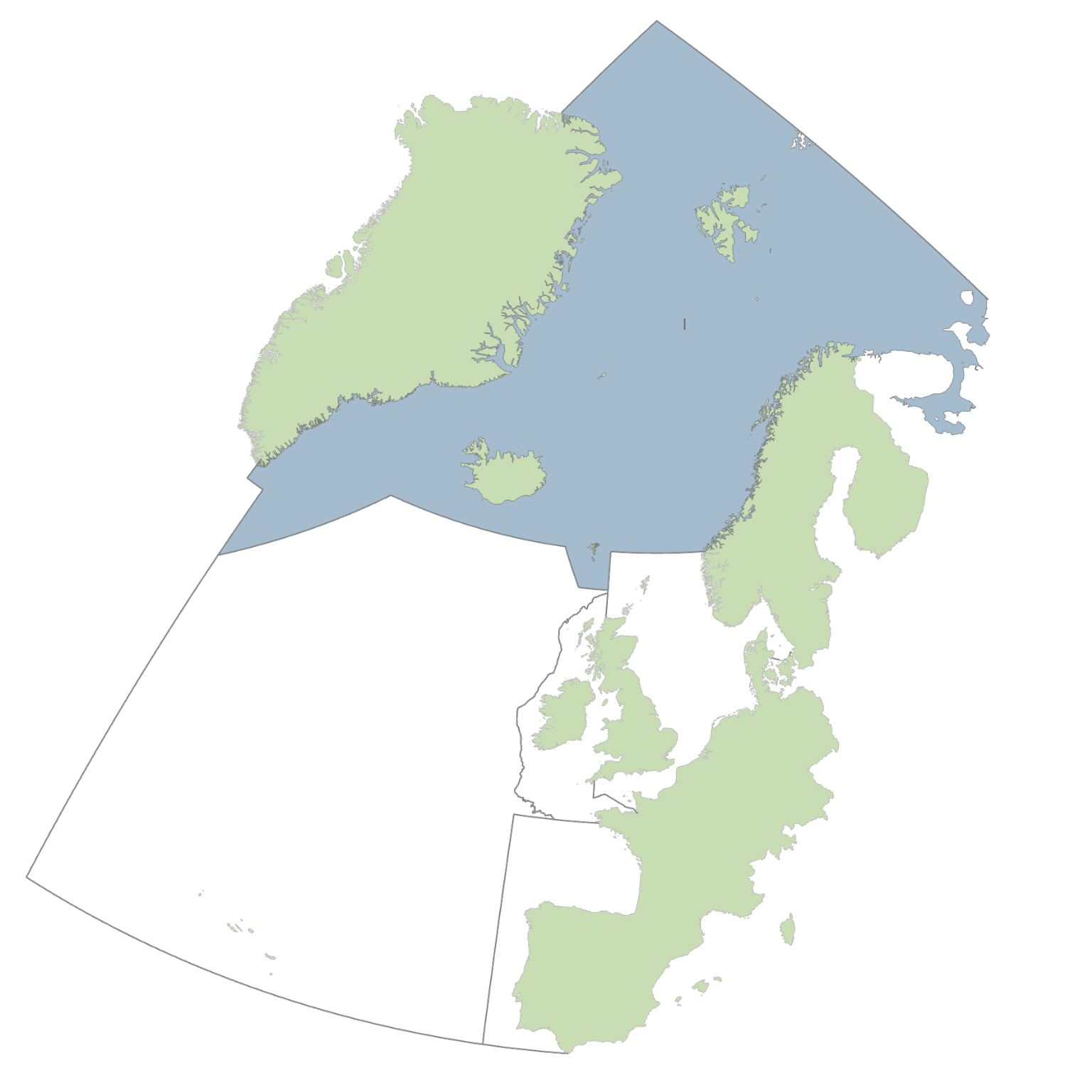
OSPAR Region: Arctic Waters
Source of knowledge gap: QSR2023 - Feeder Report 2021 - Shipping and Ports
Uncertainties regarding the growth of global shipping volumes in OSPAR waters.
ID Number: TBC
Knowledge gap description: Growth in global volumes in the short and longer terms is anticipated, but with uncertainties about the extent of growth in OSPAR waters.
Topics:
Knowledge Gap Category:
4. data coverage
Assessment Category:
Other assessment
Relevant for MSFD Art 8:
N/A
Implementation Status
OSPAR Region: All Regions
Source of knowledge gap: QSR2023 - Feeder Report 2021 - Shipping and Ports
Impact of COVID-19 on global and regional trade flows
ID Number: TBC
Knowledge gap description: Impact of COVID-19 on global and regional trade flows is not yet known.
Topics:
Knowledge Gap Category:
4. data coverage
Assessment Category:
Other assessment
Relevant for MSFD Art 8:
N/A
Implementation Status
OSPAR Region: All Regions
Source of knowledge gap: QSR2023 - Feeder Report 2021 - Shipping and Ports