OSPAR Science Agenda Knowledge Gap Portal
Welcome to the OSPAR Science Agenda knowledge gap portal. The page showcases important scientific questions and evidence needs identified by OSPAR to help protect and sustainably manage the North-East Atlantic. Use the filters and search options below to explore knowledge gaps by topic, category, region, and status, or browse visually to discover areas where new research, data, or collaborations are needed. The aim is to make it easy for anyone - scientists, funders, and policy makers to understand the current priorities, access key details, and get involved in helping to close these important gaps for a healthier ocean future.
Showing 151 - 168 of 168 items
Consider risks associated with changes in shipping routes
ID Number: TBC
Knowledge gap description: Navigational risk assessments will need to consider risks associated with changes in shipping routes (e.g., resulting from windfarm construction).
Knowledge Gap Category:
1. indicator development
Assessment Category:
Other assessment
Relevant for MSFD Art 8:
N/A
Implementation Status
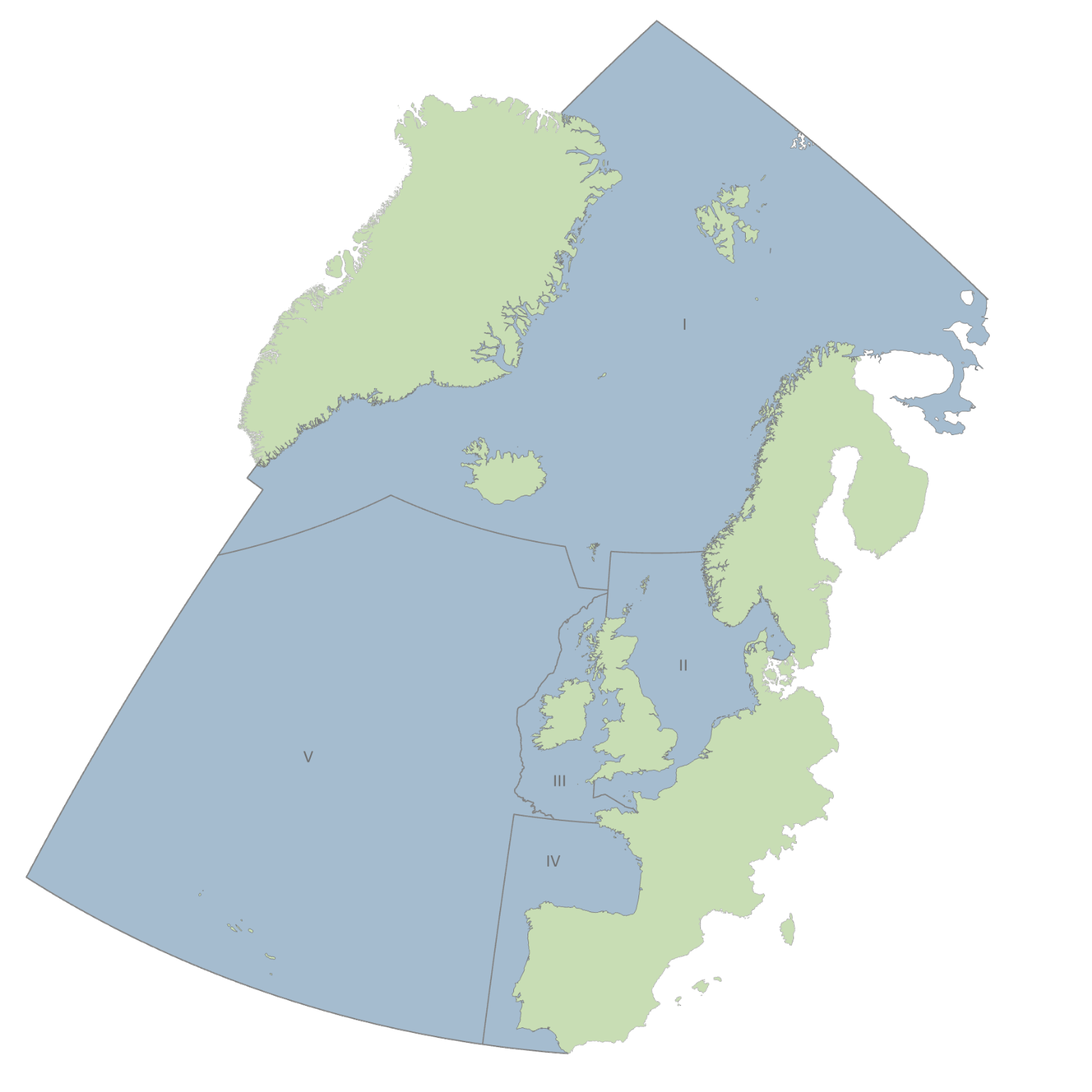
OSPAR Region: All Regions
Source of knowledge gap: QSR2023 - Feeder Report 2021 - Shipping and Ports
Uncertainties regarding the increase in maritime traffic in Arctic waters
ID Number: TBC
Knowledge gap description: Further increase in shipping activity is anticipated for Arctic waters, buy how significant this will be as well as the market potential for most types of shipments) is uncertain (as well as the market potential).
Topics:
Knowledge Gap Category:
4. data coverage
Assessment Category:
Other assessment
Relevant for MSFD Art 8:
N/A
Implementation Status
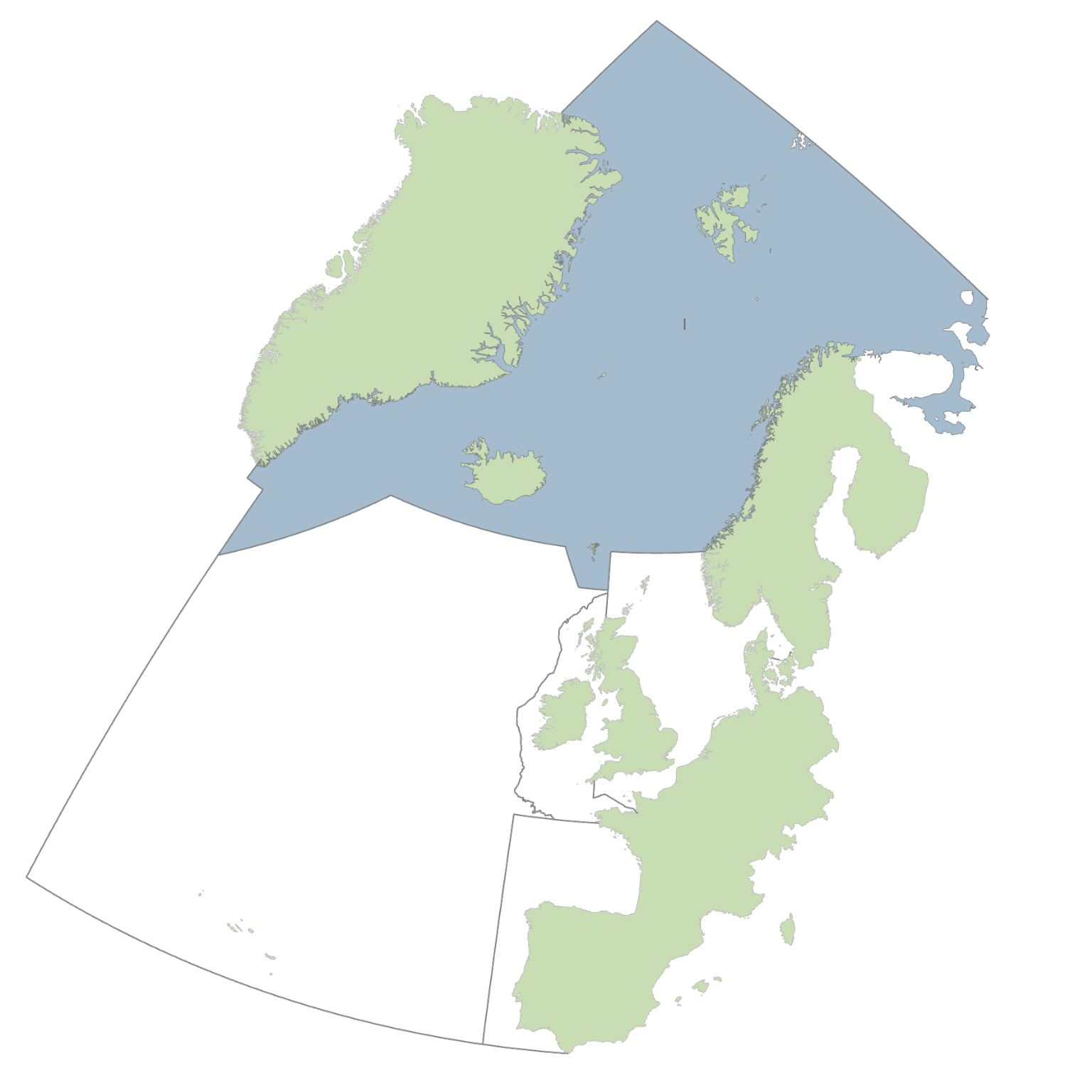
OSPAR Region: Arctic Waters
Source of knowledge gap: QSR2023 - Feeder Report 2021 - Shipping and Ports
Uncertainties related to fleet changes, impacts, and risks
ID Number: TBC
Knowledge gap description: Fleet compositions changes are expected but there are uncertainties with the pace and details of fleet change. These need to be considered to understand impacts and risks.
Topics:
Knowledge Gap Category:
4. data coverage
Assessment Category:
Other assessment
Relevant for MSFD Art 8:
N/A
Implementation Status
OSPAR Region: All Regions
Source of knowledge gap: QSR2023 - Feeder Report 2021 - Shipping and Ports
Confidence in data on trends on number of new introductions of non-indigenous species.
ID Number: TBC
Knowledge gap description: There is fairly low confidence in data on trends on number of new introductions of non-indigenous species.
Knowledge Gap Category:
4. data coverage
Assessment Category:
Other assessment
Relevant for MSFD Art 8:
D2C1
Implementation Status
OSPAR Region: All Regions
Source of knowledge gap: QSR2023 - Feeder Report 2021 - Shipping and Ports
Monitoring of non-indigenous species
ID Number: TBC
Knowledge gap description: Monitoring of non-indigenous species is a knowledge gap for implementation of the Marine Strategy Framework Directive.
Knowledge Gap Category:
4. data coverage
Assessment Category:
Other assessment
Relevant for MSFD Art 8:
D2C1, D2C2, D2C3
Implementation Status
OSPAR Region: All Regions
Source of knowledge gap: QSR2023 - Feeder Report 2021 - Shipping and Ports
Continuous noise from shipping and impact of different designs and operations on environment.
ID Number: TBC
Knowledge gap description: Continous noise from shipping needs more research to understand the impact of different designs, operations, and environmental impacts.
Knowledge Gap Category:
4. data coverage
Assessment Category:
Other assessment
Relevant for MSFD Art 8:
D11C1, D11C2
Implementation Status
OSPAR Region: All Regions
Source of knowledge gap: QSR2023 - Feeder Report 2021 - Shipping and Ports
Baseline of litter inputs from commercial shipping
ID Number: TBC
Knowledge gap description: There is no reliable baseline of litter inputs from commercial shipping, which makes it unclear what the effectiveness of measures to address plastic litter are.
Knowledge Gap Category:
4. data coverage
Assessment Category:
Other assessment
Relevant for MSFD Art 8:
D10C1, D10C2
Implementation Status
OSPAR Region: All Regions
Source of knowledge gap: QSR2023 - Feeder Report 2021 - Shipping and Ports
Identification of sources of pollution and substances of detection spills
ID Number: TBC
Knowledge gap description: Oil spills: the source of pollution was identified for only 30% of detected spills. There were 114 detections of unknown substances.
Topics:
Knowledge Gap Category:
4. data coverage
Assessment Category:
Other assessment
Relevant for MSFD Art 8:
D8C3
Implementation Status
OSPAR Region: All Regions
Source of knowledge gap: QSR2023 - Feeder Report 2021 - Shipping and Ports
Monitoring implementation of measures for management of impacts
ID Number: TBC
Knowledge gap description: OSPAR could consider monitoring implementation of measures for management of impacts (e.g., on ballast water, air pollution, litter) and evidence of success.
Knowledge Gap Category:
6. effectiveness of measures
Assessment Category:
Other assessment
Relevant for MSFD Art 8:
N/A
Implementation Status
OSPAR Region: All Regions
Source of knowledge gap: QSR2023 - Feeder Report 2021 - Shipping and Ports
Consider the significance of newly emerging or poorly understood issues and risks
ID Number: TBC
Knowledge gap description: Consider the significance of newly emerging or poorly understood issues and risks and potential OSPAR involvement (e.g. discharges from scrubbers, microplastics in ship paints; potential increase in risks or impact from collision/accident due to expansion of wind farms or larger ships; better understanding of the impact of ship wakes; effects of new low-sulphur fuels in terms of toxicity and difficulty in clean-up)
Knowledge Gap Category:
7. emerging issues of human activities
Assessment Category:
Other assessment
Relevant for MSFD Art 8:
N/A
Implementation Status
OSPAR Region: All Regions
Source of knowledge gap: QSR2023 - Feeder Report 2021 - Shipping and Ports
Monitoring and control tools for Exhaust Gas Cleaning System discharges
ID Number: TBC
Knowledge gap description: Effective enforcement of Exhaust Gas Cleaning System (EGCS) discharges needed. Tools to monitor and enforce.
Topics:
Knowledge Gap Category:
4. data coverage
Assessment Category:
Other assessment
Relevant for MSFD Art 8:
N/A
Implementation Status
OSPAR Region: All Regions
Source of knowledge gap: QSR2023 - Feeder Report 2021 - Shipping and Ports
Impact of ship wakes on protected species and habitats
ID Number: TBC
Knowledge gap description: Within European seas, the North Sea has the highest proportion of its area potentially disturbed by ship wakes. This may affect some protected species and habitats, but there is no available information demonstrating this impact.
Topics:
Knowledge Gap Category:
4. data coverage
Assessment Category:
Other assessment
Relevant for MSFD Art 8:
N/A
Implementation Status
OSPAR Region: All Regions
Source of knowledge gap: QSR2023 - Feeder Report 2021 - Shipping and Ports
Integrating combined effects and potential mixture toxicity into the existing assessment schemes of waste water
ID Number: TBC
Knowledge gap description: Consider integrating combined effects and potential mixture toxicity into the existing assessment schemes.
Topics:
Knowledge Gap Category:
5. cumulative effects & integration
Assessment Category:
Other assessment
Relevant for MSFD Art 8:
N/A
Implementation Status
OSPAR Region: All Regions
Source of knowledge gap: QSR2023 - Feeder Report 2021 - Waste water
Impacts of chemical endocrine disruptors on invertebrate populations
ID Number: TBC
Knowledge gap description: There are few studies on the impacts of chemical endocrine disruptors on invertebrate populations.
Topics:
Knowledge Gap Category:
4. data coverage
Assessment Category:
Other assessment
Relevant for MSFD Art 8:
D8C2
Implementation Status
OSPAR Region: All Regions
Source of knowledge gap: QSR2023 - Feeder Report 2021 - Waste water
Understanding pressure/sensitivity relations affecting maerl beds
ID Number: TBC
Knowledge gap description: Improved knowledge of human activities and pressure/sensitivity studies will increase understanding of the status of maerl beds.
Knowledge Gap Category:
4. data coverage
Assessment Category:
Status assessment
Relevant for MSFD Art 8:
D6C3, D6C4, D6C5
Implementation Status
OSPAR Region: All Regions
Source of knowledge gap: QSR2023 - Status Assessment 2019 - Maerl beds
Impacts of human activities on ecological functioning of hydrothermal vents communities
ID Number: TBC
Knowledge gap description: Knowledge gaps of biodiversity, connectivity, life histories (including for example reproduction and growth rates), function and resilience of communities to disturbance and change (e.g. fishing, climate change, potential future deep-seabed mining).
Knowledge Gap Category:
4. data coverage
Assessment Category:
Status assessment
Relevant for MSFD Art 8:
D1C2
Implementation Status
OSPAR Region: All Regions
Source of knowledge gap: QSR2023 - Status Assessment 2022 - Oceanic Ridges with hydrothermal vents
Impact of underwater noise and electromagnetic fields on Allis shad
ID Number: TBC
Knowledge gap description: Lack of knowledge on impact of aquatic noise, electromagnetic fields on diadromous fish behaviour
Knowledge Gap Category:
4. data coverage
Assessment Category:
Status assessment
Relevant for MSFD Art 8:
D11C1, D11C2
Implementation Status
OSPAR Region: All Regions
Source of knowledge gap: QSR2023 - Status Assessment 2022 - Allis shad
Radionuclides from deep sea mining
ID Number: TBC
Knowledge gap description: Discharges of radioactive substances and associated impacts of deep seabed mining activities
Knowledge Gap Category:
4. data coverage, 7. emerging issues of human activities
Assessment Category:
Thematic assessment
Relevant for MSFD Art 8:
N/A
Implementation Status
OSPAR Region: All Regions
Source of knowledge gap: QSR2023 - Radioactive Substances Thematic Assessment